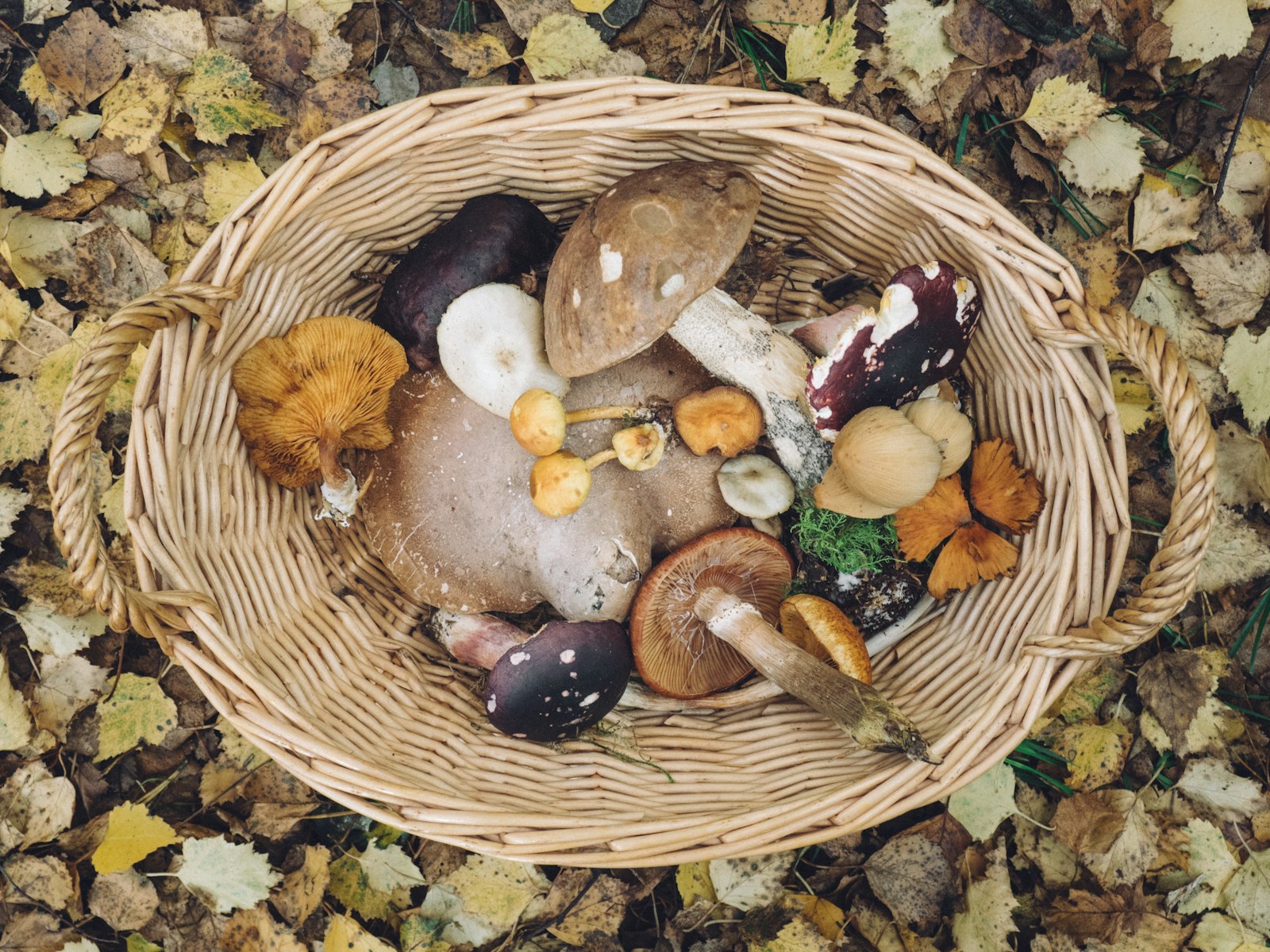
Mushrooms have been celebrated for centuries across various cultures for their culinary and medicinal uses. In recent years, their role in immune support has gained significant attention due to their rich content of beta-glucans, antioxidants, and polysaccharides, all of which help to boost the body’s natural defenses. Mushrooms are packed with bioactive compounds that not only support immune function but also promote overall health, protect against inflammation, and offer antiviral and antibacterial benefits.
In this guide, we will explore the 14 best mushrooms for those seeking to enhance their immune system. Whether you’re incorporating them into your diet or using them in supplement form, these mushrooms provide an abundance of health benefits, making them a must-have for anyone interested in immune support and overall wellness.
1. Reishi Mushrooms
Known as the “Mushroom of Immortality” in traditional Chinese medicine, Reishi mushrooms (Ganoderma lucidum) are revered for their powerful immune-boosting properties. Reishi mushrooms are rich in polysaccharides and triterpenoids, both of which help modulate the immune system and enhance the body’s ability to fight off infections. These mushrooms also contain beta-glucans, compounds that stimulate the immune response by activating white blood cells, which are essential for defending against pathogens.
One of the standout benefits of Reishi mushrooms is their ability to promote immune homeostasis, meaning they help balance an overactive or underactive immune system. This makes Reishi particularly beneficial for individuals with autoimmune conditions or those who experience chronic inflammation. Reishi is also known for its antioxidant properties, which protect cells from oxidative damage and reduce the risk of age-related diseases.
Reishi mushrooms are often consumed in supplement form, such as powders, tinctures, or capsules, but they can also be brewed into tea. Their slightly bitter flavor makes them a better fit for medicinal purposes rather than culinary use, though they can be added to soups or broths for their immune-supportive benefits.
2. Shiitake Mushrooms
Shiitake mushrooms (Lentinula edodes) are widely used in both culinary and medicinal traditions. In addition to their rich, savory flavor, Shiitake mushrooms are packed with polysaccharides and beta-glucans that enhance the immune system by stimulating the production of white blood cells. These immune-supportive compounds help the body defend against bacterial and viral infections, making Shiitake a staple for those seeking immune system support.
Shiitake mushrooms are also rich in vitamin D, which plays a critical role in immune function. Vitamin D helps regulate the immune system by enhancing the pathogen-fighting effects of monocytes and macrophages—two types of white blood cells. Additionally, Shiitake contains lentinan, a polysaccharide that has been shown to boost immune response and may even have anti-tumor properties.
Shiitake mushrooms are incredibly versatile in the kitchen. Their meaty texture and umami flavor make them a popular choice in stir-fries, soups, and sautéed dishes. Shiitake can also be dried and rehydrated for use in broths, adding a depth of flavor while delivering immune-boosting benefits.
3. Maitake Mushrooms
Maitake mushrooms (Grifola frondosa), also known as “Hen of the Woods,” are highly regarded for their ability to boost the immune system and support overall health. Maitake mushrooms contain beta-glucans, which stimulate the immune system by enhancing the activity of macrophages, natural killer cells, and other immune cells. This immune-stimulating effect makes Maitake particularly useful for fighting off infections and enhancing immune resilience.
Research has shown that Maitake mushrooms can help regulate blood pressure, support liver health, and improve immune responses to pathogens. Maitake also possesses antiviral properties and has been used in traditional medicine to protect against respiratory infections. The polysaccharides in Maitake help activate the body’s immune response, making it easier to fend off bacteria and viruses.
Maitake mushrooms are a culinary favorite due to their delicate, feather-like texture and earthy flavor. They can be sautéed, roasted, or used in soups and stews. For those looking for a concentrated immune boost, Maitake supplements in powder or capsule form are also widely available.
4. Lion’s Mane Mushrooms
While Lion’s Mane mushrooms (Hericium erinaceus) are best known for their cognitive-enhancing effects, they also provide significant immune support. Lion’s Mane contains polysaccharides, beta-glucans, and hericenones—compounds that have been shown to boost the immune system by stimulating the production of white blood cells and enhancing the body’s ability to fight infections. These mushrooms are also rich in antioxidants, which help reduce oxidative stress and support overall immune health.
In addition to boosting immune function, Lion’s Mane supports gut health, which is crucial for a healthy immune system. A large portion of the immune system resides in the gut, and by promoting a healthy gut microbiome, Lion’s Mane helps improve the body’s immune response. The mushroom’s anti-inflammatory properties further contribute to immune regulation, reducing chronic inflammation that can weaken the immune system over time.
Lion’s Mane mushrooms have a mild, seafood-like flavor and are often used in vegan and vegetarian dishes as a substitute for seafood. They can be sautéed, grilled, or added to soups and stews. For those seeking a more concentrated form, Lion’s Mane is available as a powder or in capsules for daily immune support.
5. Turkey Tail Mushrooms
Turkey Tail mushrooms (Trametes versicolor) are one of the most researched medicinal mushrooms for immune health. These colorful, fan-shaped mushrooms contain high levels of polysaccharopeptides, including PSK and PSP, which have been shown to stimulate the immune system, enhance the activity of white blood cells, and support overall immune function. Turkey Tail is particularly beneficial for people undergoing treatments like chemotherapy, as it helps boost the immune system and protect against infections during times of immune suppression.
Turkey Tail has powerful antiviral and antimicrobial properties, making it a natural ally against infections. Studies have shown that Turkey Tail can help fight off pathogens like E. coli and Staphylococcus aureus, as well as various viruses. The mushroom’s immune-boosting properties make it a popular choice for individuals looking to enhance their immune defenses, particularly during cold and flu season.
Turkey Tail is typically consumed in supplement form, such as powders, capsules, or teas. Due to its slightly bitter taste, it is not commonly used in cooking, but its potent immune-supportive benefits make it a staple in herbal medicine cabinets.
6. Chaga Mushrooms
Chaga mushrooms (Inonotus obliquus) are one of the most antioxidant-rich mushrooms, making them a powerful ally for immune support. Chaga is packed with betulinic acid, beta-glucans, and polysaccharides, all of which help stimulate and regulate the immune system. These compounds enhance the body’s ability to fend off infections, while Chaga’s antioxidant properties protect cells from oxidative stress and reduce inflammation.
Chaga mushrooms are also known for their ability to support overall well-being by reducing inflammation and balancing immune activity. This is particularly beneficial for individuals with autoimmune conditions or chronic inflammation, as Chaga helps bring the immune system into balance. Chaga also has antiviral and antibacterial properties, making it effective at preventing and treating infections.
Chaga is most commonly consumed in tea or powder form, as its hard, woody texture makes it unsuitable for culinary use. It can be steeped into a nutrient-rich tea or added to smoothies for a daily immune boost. Chaga extract supplements are also available for a more concentrated dose.
7. Cordyceps Mushrooms
Cordyceps (Cordyceps militaris and Cordyceps sinensis) are known for their ability to enhance energy and endurance, but they also play a key role in supporting the immune system. Cordyceps contains polysaccharides and beta-glucans, which help activate immune cells like macrophages and natural killer cells. These immune-boosting compounds help the body fend off infections and enhance recovery from illness.
Cordyceps also improves oxygen utilization, which can be beneficial for individuals recovering from respiratory infections or those looking to enhance their overall stamina. The mushroom’s ability to reduce inflammation and improve immune function makes it a popular choice for athletes, as well as those looking to support immune health during times of stress or illness.
Cordyceps has a mild flavor and can be added to soups, broths, or teas. For those looking for more targeted immune support, Cordyceps is also available in powder or capsule form.
8. Agaricus Mushrooms
Agaricus blazei (also known as the mushroom of the sun) is renowned for its immune-modulating properties. This mushroom is packed with beta-glucans that help regulate immune function by stimulating white blood cells, improving the body’s ability to fight infections. Agaricus mushrooms also have powerful antiviral and antibacterial properties, making them effective for supporting the immune system during times of illness or infection.
Agaricus mushrooms have been studied for their potential in cancer prevention and treatment due to their ability to enhance immune activity and inhibit the growth of tumor cells. Their rich antioxidant content further supports overall health by protecting cells from damage and reducing chronic inflammation.
Agaricus mushrooms can be enjoyed in a variety of dishes, including soups, stir-fries, or roasted as a side dish. They are also available in supplement form for those seeking a more concentrated immune boost.
9. Enoki Mushrooms
Enoki mushrooms (Flammulina velutipes) are popular in Asian cuisine and are valued for their immune-boosting properties. These long, thin mushrooms contain polysaccharides and beta-glucans, which help stimulate the immune system by enhancing the activity of macrophages and other immune cells. Enoki mushrooms are also rich in antioxidants, which help reduce oxidative stress and protect against inflammation.
Enoki mushrooms are particularly beneficial for promoting gut health, which is closely tied to immune function. By supporting a healthy gut microbiome, Enoki mushrooms help improve the body’s immune response and enhance overall wellness.
Enoki mushrooms have a mild, delicate flavor and are commonly used in soups, salads, and stir-fries. Their crunchy texture makes them a popular addition to both hot and cold dishes. For those looking to maximize their immune benefits, Enoki mushroom supplements are also available.
10. Porcini Mushrooms
Porcini mushrooms (Boletus edulis) are well-known in the culinary world for their rich, earthy flavor, but they are also packed with immune-supportive compounds. Porcini mushrooms contain beta-glucans and antioxidants that help enhance the body’s immune response by stimulating white blood cells and reducing inflammation. The antioxidants in porcini mushrooms also protect against oxidative damage, which can weaken the immune system over time.
Porcini mushrooms are particularly beneficial for respiratory health, as they have been shown to help protect the lungs from infection and improve respiratory function. They also support digestive health by promoting a healthy gut microbiome, which plays a key role in immune function.
Porcini mushrooms can be enjoyed fresh, dried, or powdered. They are commonly used in soups, stews, risottos, and pasta dishes for their deep, umami flavor. Dried porcini mushrooms can be rehydrated and added to a variety of dishes, while porcini powder can be used to add a rich, savory flavor to sauces and marinades.
11. Oyster Mushrooms
Oyster mushrooms (Pleurotus ostreatus) are not only a culinary delight but also an excellent source of beta-glucans and antioxidants that support immune health. These mushrooms help enhance the immune response by stimulating macrophages and natural killer cells, which are crucial for fighting infections. Oyster mushrooms also contain compounds that support cardiovascular health, reducing the risk of heart disease by lowering cholesterol levels and improving blood circulation.
Oyster mushrooms are also rich in vitamin D, which plays a key role in regulating the immune system. By enhancing the pathogen-fighting effects of white blood cells, vitamin D helps protect against infections and supports overall immune resilience. The anti-inflammatory properties of oyster mushrooms further contribute to immune health by reducing chronic inflammation that can weaken the immune system over time.
Oyster mushrooms have a mild, slightly sweet flavor and can be sautéed, grilled, or roasted. They are often used in stir-fries, soups, and pasta dishes, making them a versatile addition to any meal. Oyster mushroom supplements are also available for those seeking concentrated immune support.
12. Button Mushrooms
Button mushrooms (Agaricus bisporus) are one of the most commonly consumed mushrooms worldwide, and they are a surprisingly good source of immune-supportive compounds. Button mushrooms contain beta-glucans, which help stimulate the immune system by activating macrophages and other white blood cells. These mushrooms also contain selenium, a powerful antioxidant that supports immune function by reducing oxidative stress and protecting cells from damage.
Button mushrooms have been shown to support gut health by promoting the growth of beneficial gut bacteria, which play a crucial role in maintaining a healthy immune system. By supporting a balanced gut microbiome, button mushrooms help improve the body’s immune response and enhance overall health.
Button mushrooms are incredibly versatile and can be used in a wide variety of dishes, from salads and stir-fries to soups and casseroles. They can be eaten raw or cooked, making them a convenient option for boosting immune health in everyday meals.
13. King Oyster Mushrooms
King Oyster mushrooms (Pleurotus eryngii) are a larger variety of oyster mushrooms that offer similar immune-supportive benefits. Like their smaller counterparts, King Oyster mushrooms are rich in beta-glucans, which help enhance the immune response by stimulating the production of white blood cells. These mushrooms also contain compounds that support cardiovascular health, reducing the risk of heart disease by improving blood circulation and lowering cholesterol levels.
King Oyster mushrooms are also known for their anti-inflammatory properties, which help reduce chronic inflammation and support overall immune function. By protecting the body from oxidative stress, these mushrooms help enhance the body’s natural defenses against infections and chronic diseases.
King Oyster mushrooms have a firm, meaty texture and a mild, slightly sweet flavor. They can be sautéed, grilled, or roasted and are often used in vegan and vegetarian dishes as a substitute for meat. King Oyster mushrooms can also be added to soups, stews, and stir-fries for a nutritious and flavorful boost.
14. Tremella Mushrooms
Tremella mushrooms (Tremella fuciformis), also known as Snow Fungus or White Jelly mushrooms, are prized for their ability to support skin health and boost the immune system. Tremella mushrooms contain polysaccharides that help enhance the body’s immune response by stimulating the production of white blood cells. These mushrooms also have powerful antioxidant properties that protect cells from oxidative damage and reduce inflammation.
Tremella mushrooms are particularly known for their ability to hydrate the skin and promote collagen production, making them a popular ingredient in beauty products and supplements. The same compounds that support skin health also help protect the body from infections by boosting immune function and reducing chronic inflammation.
Tremella mushrooms have a mild, slightly sweet flavor and a gelatinous texture, making them a popular ingredient in Asian desserts and soups. They can be enjoyed fresh, dried, or in supplement form for their immune-supportive benefits.
Mushrooms are some of the most powerful foods for supporting immune health, thanks to their rich content of beta-glucans, polysaccharides, and antioxidants. From well-known varieties like Reishi and Shiitake to more exotic options like Tremella and Cordyceps, each of these mushrooms offers unique benefits that can enhance immune function, reduce inflammation, and protect against infections.
Incorporating these mushrooms into your diet—whether through cooking, teas, or supplements—can provide a natural and effective way to boost your immune system and support overall health. By adding a variety of these mushrooms to your daily routine, you can take full advantage of their powerful immune-boosting properties while also enjoying their many other health benefits.