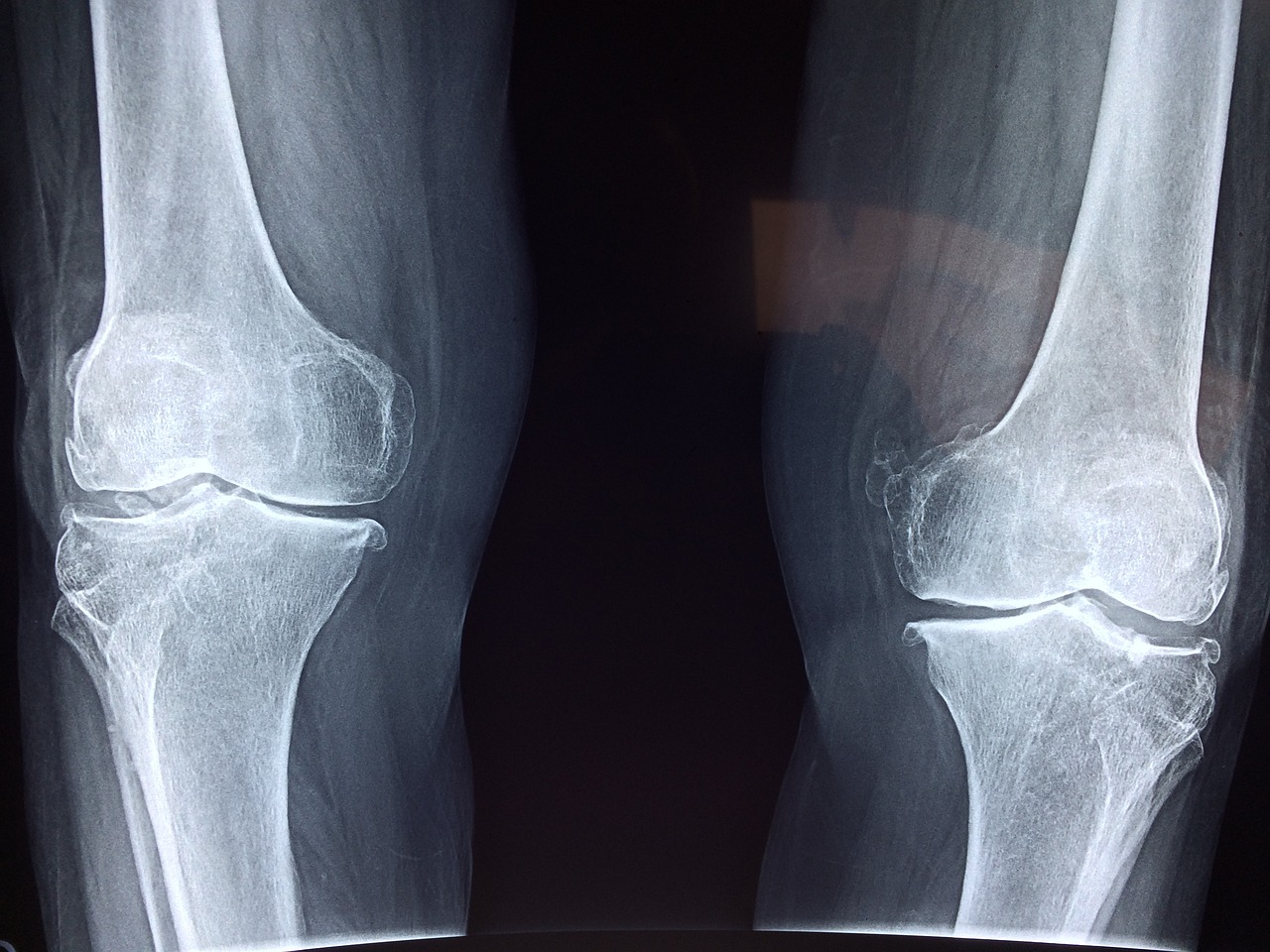
Maintaining bone density and bone strength is essential for long-term health, especially as we age. Strong bones are crucial not only for supporting mobility and reducing the risk of fractures, but they also play a key role in protecting vital organs and aiding in various bodily functions. Osteoporosis is one of the most common bone-related conditions, characterized by low bone density and increased risk of fractures. It affects millions of people worldwide, particularly postmenopausal women and older adults. The good news is that a balanced diet rich in bone-strengthening nutrients can help maintain and even improve bone density over time.
Certain foods are loaded with the essential nutrients—such as calcium, vitamin D, magnesium, and phosphorus—that play a critical role in supporting healthy bones. Incorporating these foods into your daily meals can significantly reduce your risk of developing osteoporosis and other bone-related conditions while ensuring your skeletal system stays strong throughout your life. In this article, we will explore 13 of the best foods for boosting bone density and enhancing overall bone strength, focusing on the nutrients they provide and the role these nutrients play in bone health.
1. Dairy Products: Milk, Yogurt, and Cheese
Dairy products, including milk, yogurt, and cheese, are some of the richest natural sources of calcium, which is the most important mineral for bone health. Calcium is essential for building and maintaining bone tissue, and a consistent intake is necessary to prevent the gradual depletion of calcium from the bones, which can lead to osteoporosis. Milk and yogurt are often fortified with vitamin D, which enhances the absorption of calcium in the intestines, further supporting bone density. Calcium works in tandem with other minerals and vitamins, such as phosphorus and magnesium, to form the hard structure of bones and teeth.
Regular consumption of dairy products, especially those fortified with vitamin D, provides the body with the necessary nutrients to maintain bone mass. Cheese, while rich in calcium, is often consumed in smaller portions, but even small amounts can contribute to overall calcium intake. Greek yogurt, which is higher in protein than regular yogurt, adds additional benefits by supporting muscle mass that, in turn, helps protect bones and improve balance, reducing the risk of falls that can lead to fractures. Dairy’s easy digestibility and availability make it a convenient option for individuals looking to boost their bone health.
For individuals who are lactose intolerant or prefer non-dairy alternatives, there are lactose-free versions of these products or plant-based milks fortified with calcium and vitamin D that provide similar benefits. Regularly including dairy or fortified alternatives in your diet ensures that your body receives adequate calcium, vitamin D, and other essential nutrients that contribute to stronger bones and reduced risk of fractures.
2. Leafy Green Vegetables: Spinach, Kale, and Collard Greens
Leafy green vegetables, such as spinach, kale, and collard greens, are packed with bone-friendly nutrients, making them an excellent option for those seeking to improve their bone health. While dairy is often the go-to for calcium, many leafy greens provide a significant amount of this essential mineral, especially for individuals following plant-based diets. For example, kale and collard greens are particularly high in calcium, as well as other important minerals like magnesium and phosphorus, which work synergistically to build strong bones.
In addition to calcium, leafy greens are also rich in vitamin K, which plays a critical role in bone metabolism by regulating osteocalcin, a protein that binds calcium to the bone matrix, thus promoting bone mineralization. Vitamin K deficiency has been linked to an increased risk of bone fractures, so consuming foods rich in this vitamin is crucial for maintaining bone density. Furthermore, leafy greens are full of antioxidants that help reduce inflammation in the body, which can protect bones from damage caused by oxidative stress.
Although spinach contains a considerable amount of calcium, it also has oxalates, which can interfere with calcium absorption, so it’s essential to consume a variety of greens to maximize the benefits. Nonetheless, the abundance of vitamins and minerals in these vegetables makes them indispensable for maintaining healthy bones. Regularly incorporating leafy greens into salads, smoothies, or cooked dishes will help ensure you meet your body’s calcium and vitamin K needs, which are essential for bone density and strength.
3. Fatty Fish: Salmon, Sardines, and Mackerel
Fatty fish, such as salmon, sardines, and mackerel, are among the best foods for promoting bone health due to their high content of vitamin D and omega-3 fatty acids. Vitamin D is critical for calcium absorption and maintaining proper calcium levels in the blood, which directly influences bone strength. Without sufficient vitamin D, even a diet high in calcium would not be as effective at building and maintaining bone mass. Fatty fish like salmon provide a natural source of this essential vitamin, helping to reduce the risk of conditions like osteoporosis and fractures.
Sardines, in particular, are a powerhouse for bone health because they are consumed with their soft, edible bones intact, providing a direct source of calcium. Eating sardines can significantly boost your calcium intake while also delivering a good dose of vitamin D. Omega-3 fatty acids, which are abundant in fatty fish, have anti-inflammatory properties that may help prevent bone breakdown. Chronic inflammation in the body can contribute to bone loss, and omega-3s help mitigate this by reducing inflammation, thereby preserving bone density.
Incorporating fatty fish into your diet at least twice a week can provide the dual benefits of enhancing calcium absorption through vitamin D and protecting bone tissue from inflammatory damage. If fresh fish is not always available, canned salmon or sardines are excellent alternatives that retain most of their beneficial nutrients, including both calcium and vitamin D. These nutrient-dense foods are key players in maintaining strong bones and preventing osteoporosis.
4. Nuts and Seeds: Almonds, Walnuts, and Chia Seeds
Nuts and seeds are small but mighty when it comes to promoting bone health. They are rich in essential minerals like magnesium, phosphorus, and calcium, all of which are critical for maintaining bone density. Almonds are particularly high in magnesium and calcium, making them an excellent snack for those looking to boost their bone strength. Magnesium plays an important role in bone formation because it helps convert vitamin D into its active form, which is necessary for calcium absorption. Without enough magnesium, bones can become weaker over time.
Walnuts are another great choice, as they provide omega-3 fatty acids, which, as mentioned earlier, help reduce inflammation and protect against bone loss. Chia seeds are rich in both calcium and omega-3 fatty acids, offering a plant-based option for individuals seeking to improve their bone health without relying on animal products. These seeds also provide a good amount of fiber, which supports digestive health and the proper absorption of nutrients that are critical for bone formation.
By incorporating a variety of nuts and seeds into your daily diet, you can provide your bones with a steady supply of essential nutrients. You can snack on them raw, sprinkle them over salads, blend them into smoothies, or use them as a topping for yogurt or oatmeal. Including these nutrient-dense foods in your diet will not only support bone health but also provide additional benefits for heart health, brain function, and overall well-being.
5. Tofu and Tempeh
Tofu and tempeh, both made from soybeans, are fantastic plant-based sources of calcium and protein, making them ideal for maintaining bone density, especially for individuals following a vegetarian or vegan diet. Many varieties of tofu are fortified with calcium, ensuring that it delivers the necessary mineral to build and maintain strong bones. Additionally, tofu contains isoflavones, which are phytoestrogens that have been shown to improve bone density, particularly in postmenopausal women, who are at a higher risk for osteoporosis due to declining estrogen levels.
Tempeh, a fermented soy product, is also rich in calcium, magnesium, and phosphorus—minerals that contribute to bone strength. The fermentation process makes tempeh more easily digestible, allowing for better absorption of these nutrients. Protein from plant-based sources like tofu and tempeh is essential for bone formation, as bones are made up of a matrix of protein and minerals. Without adequate protein intake, bones can become brittle and more susceptible to fractures.
Regular consumption of tofu and tempeh can significantly contribute to better bone health, particularly for those who avoid animal products. These foods are versatile and can be used in a variety of dishes, from stir-fries to salads, soups, and sandwiches. Including them in your diet ensures that you are getting a well-rounded intake of the nutrients necessary to keep your bones strong and resilient throughout life.
6. Fortified Plant-Based Milks
For those who are lactose intolerant or simply prefer non-dairy options, fortified plant-based milks are an excellent alternative. Popular choices like almond milk, soy milk, oat milk, and rice milk are often fortified with calcium and vitamin D, making them comparable to cow’s milk in terms of their bone health benefits. Calcium fortification is particularly important for maintaining bone density, and vitamin D enhances the body’s ability to absorb calcium, which is crucial for building strong bones.
In addition to being low in saturated fat, many plant-based milks are naturally rich in vitamins and antioxidants, which further support overall health. Fortified soy milk, in particular, is a standout option because it also contains protein and isoflavones, which have additional bone-strengthening properties. Plant-based milks are widely available and can be used in the same ways as dairy milk, such as in cereals, smoothies, or baking.
Including fortified plant-based milks in your diet is an easy and effective way to ensure that you are getting the necessary calcium and vitamin D, especially if you are avoiding dairy. Consuming these milks regularly can help maintain strong bones and reduce the risk of developing osteoporosis as you age.
7. Eggs
Eggs are a versatile food and one of the few natural sources of vitamin D, a crucial nutrient for bone health. Vitamin D is essential for the absorption of calcium in the intestines and helps regulate calcium levels in the blood, which is vital for maintaining bone density and preventing fractures. While eggs do not contain a large amount of calcium, the vitamin D found in the yolk is critical for overall bone health.
In addition to vitamin D, eggs are also a good source of protein, which is necessary for the formation of the bone matrix. This protein structure provides the framework for calcium and other minerals to attach to, ensuring strong and resilient bones. Regularly consuming eggs can help improve your vitamin D levels, which is especially important for people who may not get enough sun exposure, such as those living in colder climates or working indoors most of the time.
Including eggs in your diet several times a week can help support bone strength, alongside other vitamin D-rich and calcium-rich foods. Whether scrambled, poached, or boiled, eggs are a simple yet effective food for supporting healthy bones.
8. Prunes
Prunes, or dried plums, may not be the first food that comes to mind when thinking about bone health, but they have been shown to have significant benefits in preventing bone loss. Prunes are rich in vitamin K, potassium, and boron, all of which are crucial for maintaining strong bones and preventing fractures. Boron, in particular, helps with calcium absorption and bone metabolism, which is critical for bone formation and density.
Several studies have demonstrated that consuming prunes daily can help improve bone mineral density and reduce the risk of osteoporosis, particularly in postmenopausal women who are more vulnerable to bone loss due to hormonal changes. Prunes also have anti-inflammatory properties, which can help protect bone tissue from degradation caused by inflammation.
Adding a handful of prunes to your daily diet can be a simple yet effective way to support bone health. They can be eaten on their own as a snack, added to oatmeal or yogurt, or even used in cooking to add natural sweetness to dishes. Regular consumption of prunes can help protect your bones and improve overall bone strength.
9. Broccoli
Broccoli is a nutrient-dense vegetable that offers several benefits for bone health. It is rich in calcium, vitamin K, magnesium, and phosphorus, all of which contribute to building and maintaining strong bones. Vitamin K, in particular, plays a critical role in regulating calcium in the bones and ensuring proper bone formation. A deficiency in vitamin K has been associated with an increased risk of fractures, so including broccoli and other vitamin K-rich foods in your diet is essential for bone strength.
Broccoli is also high in antioxidants, which protect bone cells from oxidative damage that can weaken the bones over time. These antioxidants help reduce inflammation in the body, further supporting healthy bones. The fiber content in broccoli also supports digestive health, which is important for the proper absorption of calcium and other nutrients that are essential for bone formation.
Including broccoli in your meals regularly, whether steamed, roasted, or added to soups and salads, will provide your body with a variety of nutrients that promote healthy bones. Its versatility makes it easy to incorporate into a balanced diet that supports overall well-being and bone health.
10. Sweet Potatoes
Sweet potatoes are not only delicious but also packed with nutrients that promote bone health. They are an excellent source of magnesium and potassium, both of which are crucial for maintaining bone density. Magnesium is essential for converting vitamin D into its active form, which allows for better calcium absorption. Without enough magnesium, calcium cannot be effectively utilized by the body, leading to weaker bones.
Potassium, on the other hand, helps maintain a proper balance of electrolytes in the body and neutralizes acids that can cause calcium to be leached from the bones. By maintaining healthy potassium levels, sweet potatoes help preserve bone mass and reduce the risk of bone loss. The fiber in sweet potatoes also aids in digestion, which is important for the proper absorption of nutrients that are vital for bone strength.
Including sweet potatoes in your diet can help support bone density while providing other health benefits like improved digestion and heart health. They can be roasted, mashed, or added to soups and stews, making them a versatile and nutrient-rich addition to any meal plan.
11. Oranges
Oranges and other citrus fruits are known for their high vitamin C content, which plays a crucial role in the formation of collagen, a key protein that provides structure to bones and helps them maintain their strength. Vitamin C is also a powerful antioxidant that protects bone cells from oxidative stress, which can lead to weakened bones and an increased risk of fractures.
In addition to vitamin C, some fortified orange juices contain added calcium and vitamin D, making them an excellent option for improving bone health. Drinking fortified orange juice regularly can provide the body with the necessary nutrients to maintain bone density and prevent bone-related conditions like osteoporosis.
Oranges can be eaten on their own, added to salads, or consumed as juice. Including citrus fruits in your diet provides the vitamin C needed for collagen production, as well as additional nutrients that support overall bone health.
12. Pumpkin Seeds
Pumpkin seeds are packed with magnesium, a mineral that is essential for bone mineralization and maintaining bone density. Magnesium plays a vital role in regulating calcium levels in the body, which is necessary for forming and maintaining strong bones. Without sufficient magnesium, bones can become more fragile and prone to fractures.
Pumpkin seeds are also a good source of zinc, which is important for bone tissue formation and repair. Zinc helps the body produce the proteins that are necessary for building bone matrix and healing bone injuries. Additionally, pumpkin seeds are rich in antioxidants that protect bones from oxidative stress and inflammation, both of which can lead to bone degradation.
Snacking on pumpkin seeds or adding them to salads, oatmeal, or smoothies is an easy way to boost your intake of magnesium and zinc, both of which contribute to strong and healthy bones.
13. Quinoa
Quinoa is a highly nutritious grain that provides a wide range of bone-supporting nutrients, including calcium, magnesium, and phosphorus. These minerals are essential for maintaining bone density and ensuring the structural integrity of the bones. Quinoa is also a complete plant-based protein, meaning it contains all nine essential amino acids that are necessary for building and repairing bone tissue.
Magnesium and phosphorus are particularly important for bone formation, and quinoa provides a significant amount of both minerals in each serving. The fiber in quinoa also helps support digestive health, which is crucial for the proper absorption of nutrients needed for bone maintenance.
Quinoa is a versatile grain that can be used in a variety of dishes, from salads to soups, and can easily be incorporated into any meal. By including quinoa in your diet regularly, you can provide your bones with the nutrients they need to stay strong and resilient.
Conclusion
Bone health is critical for maintaining mobility, balance, and overall well-being, especially as we age. Incorporating nutrient-rich foods into your diet that are high in calcium, vitamin D, magnesium, and phosphorus is essential for building and maintaining bone density and preventing conditions like osteoporosis. Foods like dairy products, leafy greens, fatty fish, nuts and seeds, and quinoa provide the necessary nutrients to support bone strength and protect against bone loss.
By making these foods a regular part of your diet, you can improve your bone health and reduce the risk of fractures and bone-related conditions. While diet alone cannot fully protect against osteoporosis, it plays a crucial role in maintaining strong, healthy bones throughout life. Regular exercise and sun exposure to boost vitamin D levels are also important factors in promoting overall bone health. Be sure to consult with a healthcare provider or nutritionist to tailor a diet that meets your specific needs for bone health and overall wellness.