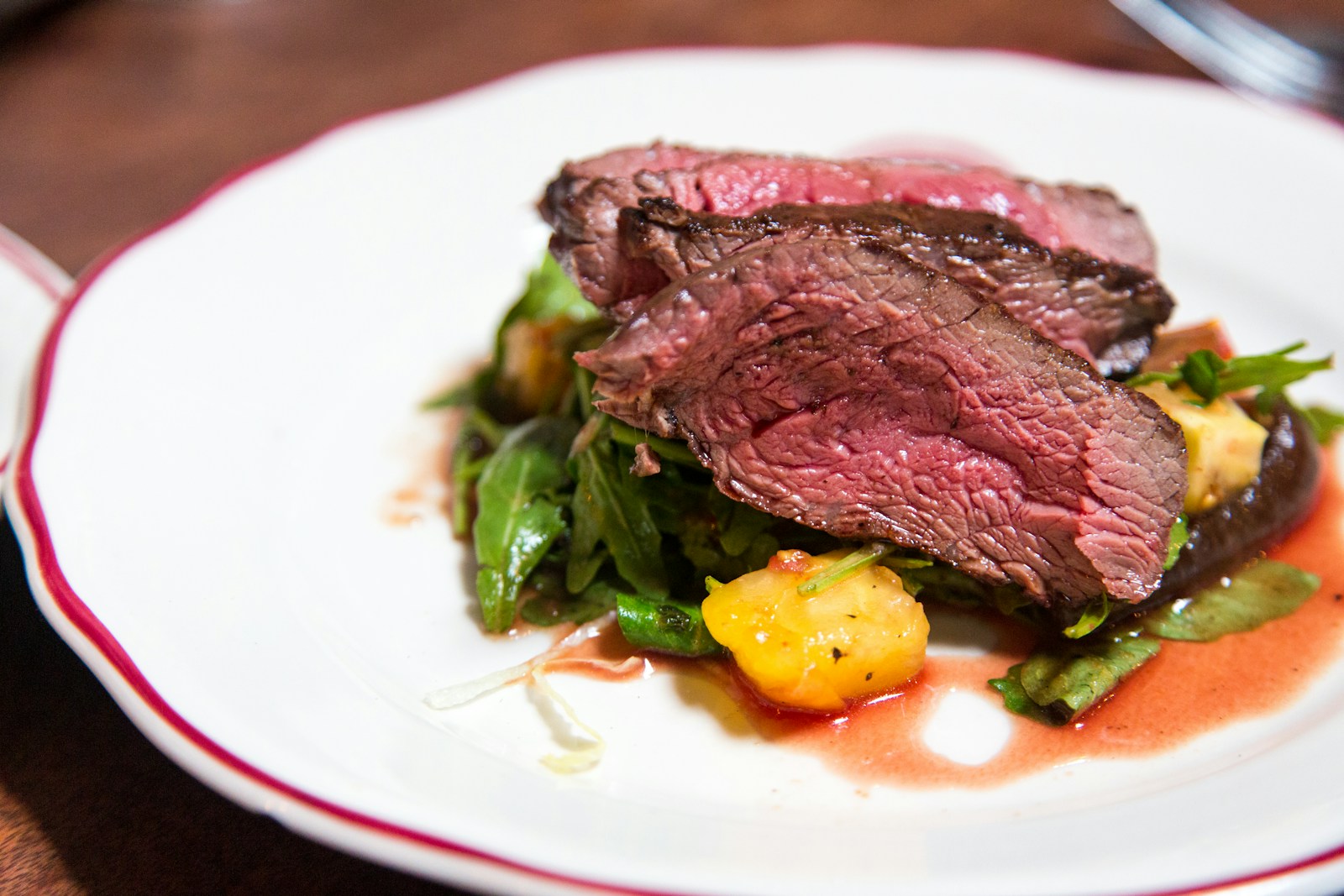
Building muscle mass and strength requires more than just lifting weights and working out regularly. A well-balanced diet that is rich in protein, healthy fats, complex carbohydrates, and essential micronutrients plays a critical role in supporting muscle growth and repair. Whether you’re a seasoned athlete or someone new to strength training, incorporating the right foods into your diet can significantly enhance your muscle-building efforts and overall strength.
In this article, we’ll explore 16 of the best foods that are known for their ability to promote muscle growth, strength, and recovery. These foods are packed with the nutrients your body needs to fuel workouts, repair muscle tissue, and build lean mass effectively.
1. Chicken Breast
Chicken breast is a staple food for anyone looking to build muscle. It is incredibly high in lean protein, providing about 31 grams of protein per 100 grams of cooked chicken breast. Protein is essential for muscle repair and growth, and chicken breast offers one of the best sources of high-quality, complete protein.
In addition to protein, chicken breast is low in fat and carbohydrates, making it an ideal food for those focused on increasing muscle mass while maintaining a lean physique.
Benefits:
- High in protein: Supports muscle repair and growth.
- Low in fat: Ideal for lean muscle gain.
- Rich in B vitamins: Helps convert food into energy for workouts.
Tip: Grill or bake chicken breast and pair it with whole grains and vegetables for a balanced, muscle-building meal.
2. Eggs
Eggs are one of the most nutritious foods available and are often considered a powerhouse for muscle growth. Each egg contains around 6 grams of high-quality protein, along with essential amino acids like leucine, which is key for muscle protein synthesis.
Eggs are also rich in healthy fats, vitamins A, D, and E, and important minerals like zinc and selenium, all of which contribute to muscle health and recovery.
Benefits:
- Complete protein source: Provides all nine essential amino acids.
- Leucine-rich: Promotes muscle protein synthesis.
- Boosts recovery: Vitamins and minerals support immune function and muscle repair.
Tip: Incorporate boiled or scrambled eggs into your breakfast or post-workout meal to fuel muscle recovery.
3. Greek Yogurt
Greek yogurt is an excellent source of protein, especially casein and whey protein, which are both essential for muscle recovery and growth. A serving of Greek yogurt can provide around 10 to 20 grams of protein, depending on the brand.
The casein in Greek yogurt is a slow-digesting protein that supplies your muscles with a steady stream of amino acids, making it perfect for post-workout recovery or as a bedtime snack to prevent muscle breakdown during sleep.
Benefits:
- High in protein: Supports muscle repair and growth.
- Contains casein: Slow-digesting protein for sustained muscle recovery.
- Rich in probiotics: Supports gut health and nutrient absorption.
Tip: Add fresh fruit or a drizzle of honey to Greek yogurt for a protein-packed snack that promotes muscle recovery.
4. Salmon
Salmon is a fantastic source of high-quality protein and omega-3 fatty acids, which help reduce muscle inflammation and improve muscle recovery after intense workouts. A 3-ounce serving of salmon provides around 22 grams of protein and 4 grams of omega-3s, making it ideal for supporting muscle growth.
The omega-3s in salmon also play a crucial role in protein synthesis, promoting muscle repair and growth while reducing muscle soreness after exercise.
Benefits:
- High in omega-3s: Reduces inflammation and promotes muscle recovery.
- Rich in protein: Supports muscle growth and strength.
- Boosts heart health: Omega-3s improve cardiovascular health, which is important for endurance and overall fitness.
Tip: Include grilled or baked salmon in your diet at least twice a week to benefit from its muscle-building properties.
5. Quinoa
Quinoa is a complete plant-based protein source, meaning it contains all nine essential amino acids required for muscle growth. One cup of cooked quinoa provides about 8 grams of protein and a rich array of complex carbohydrates, which are vital for replenishing glycogen stores after workouts.
In addition to protein, quinoa is high in magnesium, which helps with muscle contraction and relaxation, and iron, which supports oxygen transport to muscles.
Benefits:
- Complete protein: Provides all essential amino acids for muscle repair.
- Rich in complex carbs: Fuels workouts and aids in recovery.
- Supports muscle function: Magnesium helps with muscle contractions.
Tip: Use quinoa as a base for salads, stir-fries, or as a side dish to enhance your muscle-building meals.
6. Tuna
Tuna is another protein-packed food that is excellent for muscle growth. A 3-ounce serving of tuna provides about 20 grams of protein, along with omega-3 fatty acids that reduce muscle inflammation and promote recovery.
Tuna is also rich in vitamins B6 and B12, which are essential for energy production and protein metabolism, helping your body use protein efficiently to build and repair muscle tissue.
Benefits:
- Rich in protein and omega-3s: Promotes muscle growth and reduces inflammation.
- Supports energy production: B vitamins help convert food into energy for workouts.
- Low in fat: Ideal for lean muscle gains.
Tip: Opt for canned tuna in water for a convenient and protein-rich snack or meal option.
7. Cottage Cheese
Cottage cheese is a dairy product that’s loaded with casein protein, a slow-digesting protein that helps prevent muscle breakdown. A one-cup serving of cottage cheese provides around 28 grams of protein, making it one of the best foods for promoting muscle recovery and growth overnight.
Cottage cheese is also rich in calcium and vitamin B12, which support bone health and energy metabolism—both important for strength and endurance during workouts.
Benefits:
- Slow-digesting protein: Casein provides sustained amino acid release for muscle recovery.
- Rich in calcium: Supports bone health and muscle contraction.
- Boosts metabolism: B vitamins aid in energy production.
Tip: Enjoy cottage cheese with fresh fruit or nuts before bed to fuel your muscles while you sleep.
8. Lentils
Lentils are a plant-based protein powerhouse, providing about 18 grams of protein per cup of cooked lentils. They are also rich in fiber, which aids in digestion, and complex carbohydrates that help restore glycogen levels after exercise.
Lentils are packed with iron and magnesium, both of which play a key role in energy production and muscle function, making them an excellent addition to a muscle-building diet.
Benefits:
- High in protein: Supports muscle repair and growth.
- Rich in complex carbs: Fuels workouts and restores glycogen stores.
- Supports energy metabolism: Iron and magnesium help prevent fatigue.
Tip: Add lentils to soups, stews, or salads for a protein-rich, muscle-boosting meal.
9. Brown Rice
Brown rice is a great source of complex carbohydrates, which provide the slow-release energy needed to fuel workouts and support muscle growth. One cup of cooked brown rice provides around 5 grams of protein and plenty of fiber to keep you feeling full and energized.
Brown rice is also rich in magnesium, which helps with muscle contraction, and B vitamins, which support energy production and metabolism.
Benefits:
- Rich in complex carbs: Provides energy for workouts and recovery.
- Supports muscle function: Magnesium aids in muscle contraction and relaxation.
- Promotes satiety: Fiber keeps you feeling full and satisfied.
Tip: Pair brown rice with lean protein sources like chicken or fish for a well-rounded, muscle-building meal.
10. Sweet Potatoes
Sweet potatoes are an excellent source of complex carbohydrates and vitamins A and C, which help reduce inflammation and promote recovery. The carbohydrates in sweet potatoes provide a steady stream of energy for workouts, while their antioxidant content helps repair muscle tissue.
Sweet potatoes are also rich in potassium, an electrolyte that supports muscle contraction and prevents cramps.
Benefits:
- Complex carbs: Provide long-lasting energy for exercise and recovery.
- Rich in antioxidants: Supports muscle repair and reduces inflammation.
- Boosts muscle function: Potassium helps prevent muscle cramps.
Tip: Enjoy sweet potatoes as a post-workout meal to replenish glycogen stores and support recovery.
11. Peanut Butter
Peanut butter is a calorie-dense food that provides a good mix of protein, healthy fats, and carbohydrates. Two tablespoons of peanut butter contain about 8 grams of protein, along with healthy fats that provide a slow release of energy.
Peanut butter is also rich in vitamin E, an antioxidant that helps reduce oxidative stress in muscles after exercise.
Benefits:
- High in calories and protein: Supports muscle growth and recovery.
- Rich in healthy fats: Provides long-lasting energy.
- Contains antioxidants: Vitamin E helps protect muscles from damage.
Tip: Spread peanut butter on whole grain bread or add it to smoothies for a protein-packed snack that supports muscle gain.
12. Beef
Lean beef is one of the best sources of high-quality protein and creatine, which is important for promoting muscle strength and performance. A 3-ounce serving of lean beef provides about 22 grams of protein, as well as essential nutrients like iron and zinc, which help support energy levels and muscle repair.
Beef is also rich in B vitamins, particularly vitamin B12, which helps with the formation of red blood cells and the delivery of oxygen to muscles during exercise.
Benefits:
- Rich in protein and creatine: Promotes muscle growth and improves performance.
- Supports muscle recovery: Iron and zinc help repair muscle tissue.
- Boosts energy levels: B vitamins aid in energy production and oxygen transport.
Tip: Choose lean cuts of beef, such as sirloin or tenderloin, to reduce fat intake while maximizing protein content.
13. Chickpeas
Chickpeas are a versatile plant-based protein that can help build muscle and strength. One cup of cooked chickpeas provides about 15 grams of protein and plenty of complex carbohydrates, making them a great source of fuel for workouts.
Chickpeas are also rich in fiber and iron, which help regulate digestion and support muscle oxygenation, preventing fatigue during exercise.
Benefits:
- High in plant-based protein: Supports muscle repair and growth.
- Rich in fiber and carbs: Provides sustained energy for exercise.
- Boosts muscle function: Iron helps deliver oxygen to muscles.
Tip: Add chickpeas to salads, soups, or stews, or blend them into hummus for a protein-rich, muscle-boosting snack.
14. Cottage Cheese
Cottage cheese is an excellent source of casein protein, which is a slow-digesting protein that provides muscles with a steady stream of amino acids for recovery. One cup of cottage cheese contains about 28 grams of protein, making it ideal for building muscle mass and strength.
Cottage cheese is also high in calcium, which supports bone health, and vitamin B12, which helps with energy production.
Benefits:
- Slow-release protein: Casein supports muscle recovery over time.
- Rich in calcium: Supports bone health and muscle contraction.
- Promotes muscle repair: High protein content helps rebuild muscle tissue.
Tip: Enjoy cottage cheese with fruit or a handful of nuts for a protein-packed snack before bed.
15. Milk
Milk is a highly nutritious food that provides a good balance of protein, carbohydrates, and fats, making it an excellent choice for supporting muscle growth. A cup of milk provides around 8 grams of protein, including both whey and casein, which help repair and build muscle tissue.
Milk is also rich in calcium and vitamin D, which are essential for maintaining bone health and supporting muscle contractions during exercise.
Benefits:
- Rich in protein: Supports muscle repair and growth.
- Contains calcium and vitamin D: Promotes bone health and muscle function.
- Hydrates and replenishes nutrients: Milk is a good source of electrolytes, helping with recovery after exercise.
Tip: Drink milk as a post-workout recovery beverage or use it as a base for protein shakes to support muscle growth.
16. Spinach
Spinach is a leafy green vegetable that is packed with iron, calcium, and nitrates, all of which support muscle growth and function. While spinach isn’t as high in protein as other muscle-building foods, its nutrient density makes it an important part of a balanced muscle-building diet.
Spinach is also rich in antioxidants, which help reduce oxidative stress and inflammation, promoting faster muscle recovery.
Benefits:
- Rich in iron and calcium: Supports muscle function and bone health.
- Contains nitrates: Promotes blood flow to muscles during exercise.
- Reduces inflammation: Antioxidants help with muscle recovery.
Tip: Add spinach to smoothies, salads, or stir-fries to boost your intake of muscle-supporting nutrients.
Conclusion
Building muscle mass and strength requires a combination of resistance training and a diet rich in high-quality protein, healthy fats, and complex carbohydrates. Incorporating foods like chicken breast, eggs, Greek yogurt, quinoa, and spinach into your diet can help provide the essential nutrients needed for muscle repair, growth, and recovery. These foods offer a balance of protein, vitamins, and minerals, all of which support the body’s ability to build lean muscle mass, improve strength, and enhance overall performance.
In addition to protein-rich options like chicken, eggs, and Greek yogurt, it’s important to incorporate complex carbohydrates from foods like quinoa, brown rice, and sweet potatoes to fuel your workouts and replenish glycogen stores. Healthy fats found in salmon, peanut butter, and cottage cheese provide long-lasting energy and support overall muscle recovery, while nutrient-dense vegetables like spinach and lentils contribute important micronutrients that promote muscle function and recovery.
When aiming to increase muscle mass and strength, it’s crucial to fuel your body with the right nutrients and maintain consistency in both your diet and workout routine. A balanced approach that combines these muscle-building foods with a well-structured exercise regimen will ensure that your muscles have the nutrients they need to grow stronger and recover faster.
By making these 16 foods a regular part of your diet, you’ll be providing your body with the fuel and building blocks it needs to maximize muscle growth and strength, helping you reach your fitness goals more effectively.