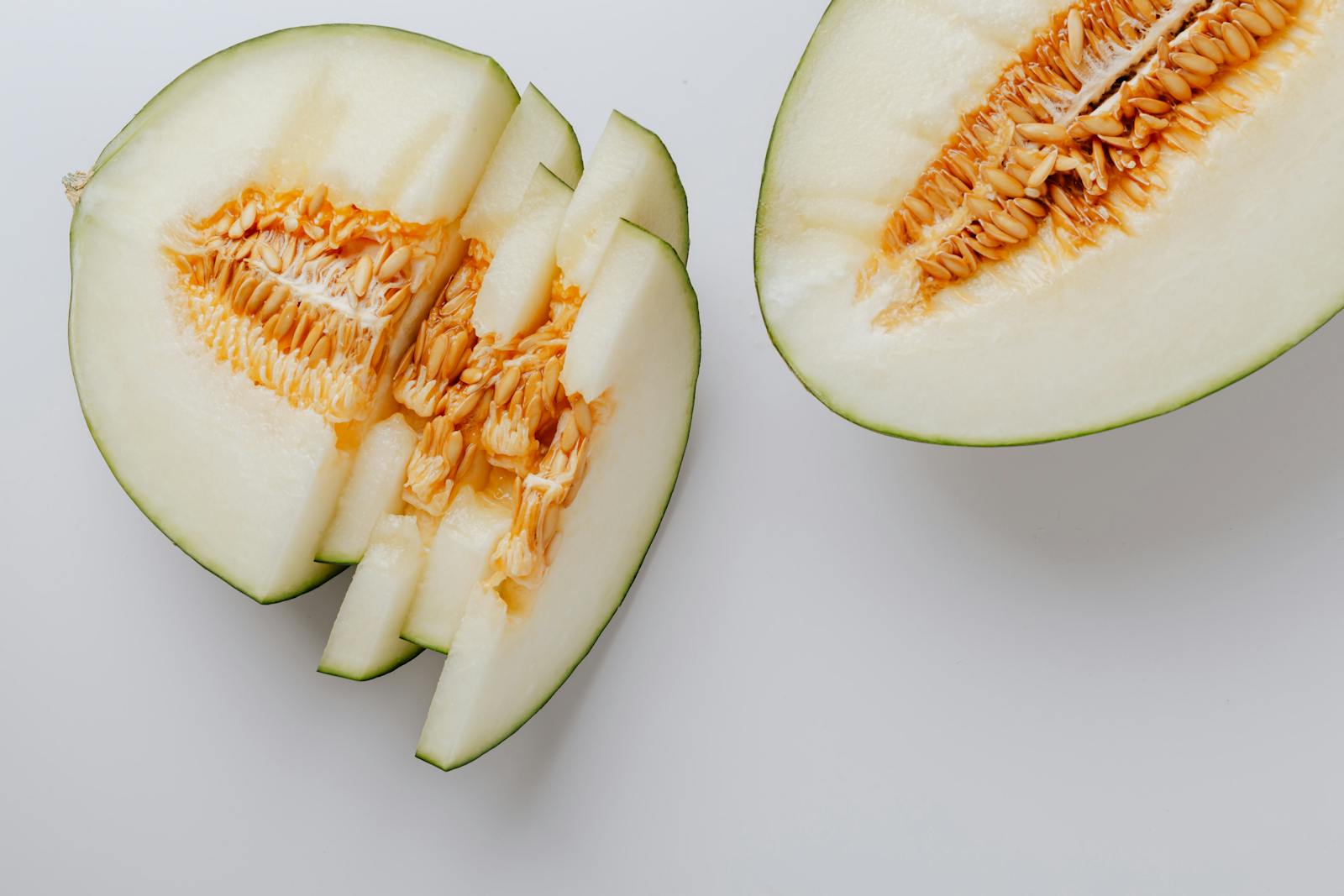
Honeydew melon, with its smooth, pale green skin and sweet, juicy flesh, is a refreshing fruit that is not only a favorite during summer but also packed with nutrients that can benefit children’s health in numerous ways. Honeydew is loaded with vitamins, minerals, and antioxidants that contribute to overall growth and development, making it an excellent addition to a child’s diet. Whether enjoyed on its own, in fruit salads, or as a hydrating snack, honeydew offers many benefits that support everything from immune function to healthy digestion.
In this article, we will explore the 16 best health benefits of honeydew for children, highlighting how this delicious fruit can boost their health and contribute to their overall well-being.
1. Boosts Hydration
Honeydew melon is composed of about 90% water, making it an excellent fruit for keeping children hydrated, especially during hot weather or after physical activities. Hydration is crucial for maintaining proper bodily functions such as digestion, circulation, and temperature regulation. Children are particularly prone to dehydration, especially if they are active, making it important for parents to offer them hydrating foods like honeydew.
Since children may not always drink enough water, providing hydrating fruits like honeydew is a great way to ensure they stay properly hydrated. The water content in honeydew helps replenish fluids lost through sweat, preventing dehydration and keeping them refreshed throughout the day.
2. Supports Immune System
Honeydew is rich in vitamin C, a powerful antioxidant that plays a crucial role in supporting the immune system. Vitamin C helps stimulate the production of white blood cells, which are essential for fighting off infections and illnesses. Children, who are frequently exposed to germs in school and social settings, benefit from consuming vitamin C-rich foods to help strengthen their immune defenses.
Regular consumption of honeydew can help reduce the risk of common childhood illnesses like colds and flu by boosting immune function. Additionally, vitamin C helps protect cells from oxidative damage caused by free radicals, promoting overall health and well-being in children.
3. Promotes Healthy Digestion
Honeydew melon is an excellent source of dietary fiber, which is essential for maintaining a healthy digestive system. Fiber helps regulate bowel movements by adding bulk to the stool, preventing constipation, and promoting regularity. For children who may experience digestive discomfort or irregular bowel movements, consuming fiber-rich foods like honeydew can support their digestive health.
In addition to promoting regular digestion, fiber helps support a healthy gut microbiome by feeding beneficial gut bacteria. A balanced gut microbiome is important for nutrient absorption, immunity, and overall gut health. By including honeydew in a child’s diet, parents can help ensure their child has a healthy digestive system, reducing the risk of constipation and other digestive issues.
4. Rich in Essential Vitamins
Honeydew provides a variety of essential vitamins that support children’s growth and development. In addition to vitamin C, honeydew contains vitamin A, which is important for maintaining healthy vision, skin, and immune function. Vitamin A supports the development of the retina and helps prevent vision problems such as night blindness.
Honeydew also contains B vitamins, including vitamin B6, which plays a role in brain function and cognitive development. B vitamins help convert food into energy, supporting a child’s metabolism and overall vitality. By incorporating honeydew into their daily meals, children receive a variety of essential vitamins that contribute to their physical and mental development.
5. Supports Healthy Eyesight
Honeydew melon is rich in vitamin A and beta-carotene, both of which are essential for maintaining good vision and eye health in children. Vitamin A helps produce pigments in the retina that are necessary for detecting light and color. It also supports the overall health of the cornea, the outer layer of the eye, helping to prevent dryness and irritation.
For children, whose eyes are still developing, getting enough vitamin A is crucial for preventing vision problems and ensuring proper eye health. Regular consumption of vitamin A-rich foods like honeydew can help safeguard children’s eyesight and promote healthy eye development.
6. Provides a Natural Energy Boost
Honeydew melon is a great source of natural sugars and carbohydrates, which provide a quick and healthy source of energy for active children. Carbohydrates are the body’s primary energy source, and the natural sugars in honeydew provide an immediate energy boost without the harmful effects of processed sugary snacks.
Unlike sugary snacks that cause sharp spikes and crashes in blood sugar levels, honeydew provides sustained energy, helping children stay energized and focused throughout the day. It is an ideal snack for children during school or after sports and other physical activities.
7. Promotes Healthy Skin
Honeydew’s high content of vitamin C not only supports immune function but also plays a vital role in promoting healthy skin. Vitamin C is essential for the production of collagen, a protein that gives skin its elasticity and firmness. For children, whose skin is still developing, collagen production is important for maintaining smooth, healthy skin and preventing dryness and irritation.
The antioxidants in honeydew also protect the skin from damage caused by environmental factors such as pollution and UV rays. Regular consumption of honeydew can help keep children’s skin hydrated, supple, and protected from oxidative stress, ensuring they maintain healthy, glowing skin as they grow.
8. Supports Bone Health
Honeydew contains several important minerals, including calcium and phosphorus, both of which are essential for maintaining strong bones and teeth. Calcium is crucial for bone formation and strength, while phosphorus works alongside calcium to support the development of strong, healthy bones.
For growing children, adequate intake of these minerals is essential to prevent bone-related issues such as weak bones or delayed growth. By incorporating honeydew into their diet, parents can help support their child’s bone health, reducing the risk of fractures and promoting overall skeletal development.
9. Promotes Heart Health
Honeydew is a good source of potassium, a mineral that plays a key role in maintaining cardiovascular health. Potassium helps regulate blood pressure by balancing sodium levels in the body, reducing strain on the heart and blood vessels. For children, establishing healthy heart habits early in life is important for preventing cardiovascular issues later on.
In addition to potassium, honeydew contains fiber, which helps lower cholesterol levels by reducing the amount of cholesterol absorbed into the bloodstream. Consuming potassium- and fiber-rich foods like honeydew can help promote healthy blood pressure and cholesterol levels, supporting heart health in children.
10. Helps Maintain a Healthy Weight
Honeydew is a low-calorie, nutrient-dense fruit that is perfect for children who need to maintain a healthy weight. Its high water and fiber content help promote feelings of fullness, reducing the likelihood of overeating or snacking on unhealthy foods. Additionally, honeydew’s natural sweetness satisfies cravings for sugary snacks, making it a healthier alternative to processed treats.
By including honeydew in a child’s diet, parents can encourage healthier eating habits while supporting weight management. Its refreshing taste and hydrating properties make it a satisfying and nutritious snack for children looking to maintain a healthy body weight.
11. Boosts Cognitive Development
Honeydew contains vitamin B6, which plays a critical role in brain function and cognitive development. Vitamin B6 is involved in the production of neurotransmitters such as serotonin and dopamine, which regulate mood, behavior, and learning. For children, proper brain function is essential for learning, memory, and concentration.
By including vitamin B6-rich foods like honeydew in a child’s diet, parents can support their child’s cognitive development and enhance their ability to focus and learn. Additionally, honeydew’s natural sugars provide energy for the brain, helping children stay alert and engaged during school and other activities.
12. Supports Muscle Function
Honeydew is rich in potassium, which is important for maintaining proper muscle function and preventing cramps. Potassium helps regulate muscle contractions, making it especially beneficial for active children who participate in sports or physical activities. By ensuring adequate potassium intake, parents can help their children avoid muscle cramps and maintain healthy muscle performance.
In addition to potassium, honeydew contains magnesium, which helps muscles relax and recover after physical exertion. For children involved in sports, consuming potassium- and magnesium-rich foods like honeydew can aid in muscle recovery and improve overall physical performance.
13. Aids in Detoxification
Honeydew melon’s high water content, combined with its natural antioxidants, makes it an excellent fruit for supporting the body’s natural detoxification processes. Watermelon’s diuretic properties help flush out toxins from the kidneys and liver, promoting the elimination of waste products and reducing the risk of kidney stones or other urinary tract issues.
For children, staying properly hydrated and supporting kidney function through healthy foods like honeydew can help maintain overall health and prevent the buildup of harmful substances in the body.
14. Enhances Respiratory Health
Honeydew’s rich vitamin C content not only boosts immune function but also supports respiratory health. Vitamin C helps reduce inflammation in the respiratory system, which can benefit children who suffer from asthma, allergies, or frequent respiratory infections. Additionally, honeydew’s hydrating properties help keep the respiratory tract moist, reducing irritation and promoting easier breathing.
By incorporating honeydew into a child’s diet, parents can help support their child’s respiratory health and reduce the severity of respiratory issues.
15. Improves Sleep Quality
Honeydew melon contains vitamin B6, which plays a role in the production of melatonin, a hormone that regulates the sleep-wake cycle. For children, getting enough restful sleep is essential for their physical and cognitive development. Melatonin helps regulate their internal body clock, ensuring they get adequate rest each night.
Incorporating honeydew into a child’s evening snack or dinner can help improve their sleep quality and ensure they wake up feeling refreshed and ready for the day.
16. Promotes Overall Well-Being
The combination of vitamins, minerals, antioxidants, and fiber in honeydew makes it a powerful fruit for supporting a child’s overall health and well-being. Regular consumption of honeydew provides children with essential nutrients that support immune function, skin health, digestion, cognitive development, and more. Its delicious taste and hydrating properties make it a fun and easy way for children to receive the nutrition they need to thrive.
Incorporating honeydew into a child’s diet ensures they get the hydration and nutrients needed for healthy growth, energy, and long-term well-being. Whether enjoyed fresh, in smoothies, or as part of fruit salads, honeydew is a versatile and nutritious option that kids will love.
Conclusion
Honeydew melon is a refreshing and nutrient-packed fruit that offers a wide range of health benefits for children. From boosting hydration and immune function to supporting digestion and cognitive development, honeydew provides essential vitamins, minerals, and antioxidants that contribute to overall growth and well-being. Its delicious flavor, high water content, and nutrient density make it a perfect snack for children, helping them stay hydrated and healthy all year round.
By incorporating honeydew into their daily meals and snacks, parents can ensure that their children receive the nutrition they need to grow strong, stay active, and maintain optimal health. Whether eaten fresh, blended into a smoothie, or added to fruit salads, honeydew is a simple and delicious way to support a child’s health and set the foundation for a healthy, vibrant life.