

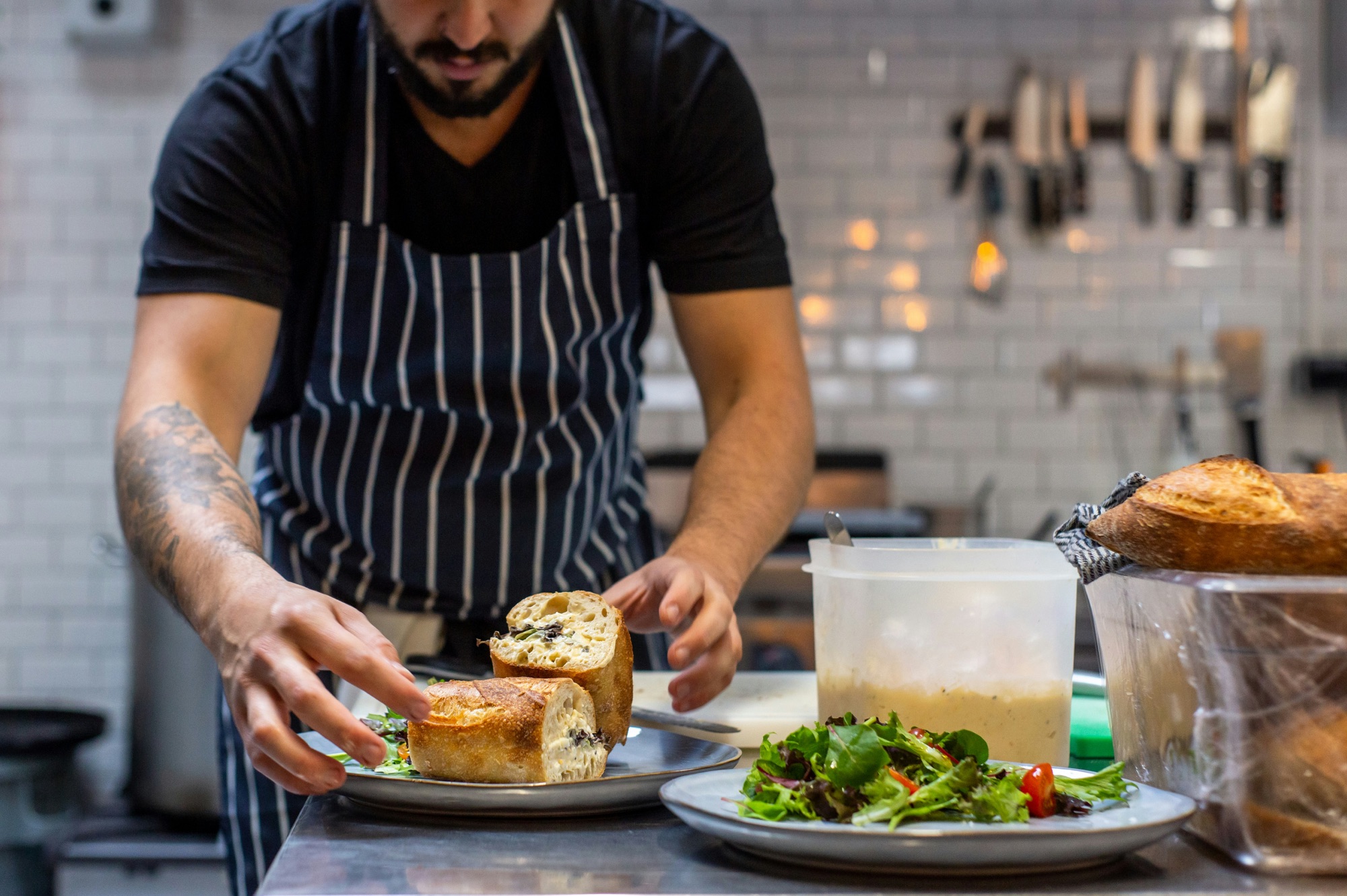
The terms chef and cook are often used interchangeably, but there are significant differences between the two roles. Both professions are essential to the culinary world, but the distinction lies in their responsibilities, training, and skill levels. A chef typically holds a leadership role, overseeing the kitchen and guiding the culinary team, while a cook is often responsible for executing specific tasks in the kitchen, preparing meals according to a chef’s instructions.
Understanding the difference between a chef and a cook is essential for anyone pursuing a career in the culinary arts or simply trying to appreciate the complexity of the food industry. This article will delve into the key distinctions between these two roles, including their training, responsibilities, and culinary skills.
1. Education and Training
One of the most notable differences between a chef and a cook is their level of education and training. Chefs typically undergo formal culinary education and years of hands-on experience to master their craft. They often attend culinary schools, where they learn a broad range of skills, from basic cooking techniques to advanced kitchen management and menu development. Culinary programs may take several months to years to complete, depending on the level of expertise being pursued. Upon graduation, many chefs complete apprenticeships or work in various kitchen positions to refine their skills further.
In contrast, cooks may not have the same level of formal education. While some cooks receive training in culinary schools or vocational programs, many learn on the job. A cook’s training tends to be more focused on specific tasks within the kitchen, such as grilling, sautéing, or preparing sauces, rather than the broader range of skills required to run a kitchen. Cooks typically start in entry-level positions and gain experience through hands-on practice and guidance from more experienced kitchen staff.
Although both chefs and cooks acquire their skills through hands-on experience, the depth and scope of a chef’s training are usually more extensive. This advanced training allows chefs to create innovative dishes, manage a kitchen efficiently, and handle high-pressure situations, while cooks often focus more on executing specific tasks and following established recipes.
2. Roles and Responsibilities
The roles and responsibilities of chefs and cooks differ significantly, with chefs typically holding leadership positions in the kitchen and overseeing various aspects of food preparation. A chef is responsible for the overall operation of the kitchen, including managing the kitchen staff, creating menus, ordering ingredients, and ensuring that food is prepared to a high standard. Chefs often work closely with restaurant owners or managers to develop the culinary concept of the establishment, and they may be involved in determining the pricing of dishes, managing budgets, and ensuring that the kitchen operates efficiently.
Within a kitchen, there are different types of chefs, each with specific responsibilities. For example, the executive chef is the head of the kitchen, responsible for overseeing all kitchen operations, while the sous chef is second-in-command, assisting the executive chef with managing the kitchen and ensuring smooth service. Other specialized roles include pastry chefs, saucier chefs, and garde manger chefs, each focusing on different aspects of food preparation.
Cooks, on the other hand, are responsible for preparing specific dishes or carrying out tasks assigned by the chef. Cooks may work on a particular station in the kitchen, such as the grill, sauté, or fry station, where they prepare food according to the chef’s instructions. Their responsibilities often include prepping ingredients, following recipes, and ensuring that dishes are cooked to the proper specifications. While cooks are skilled in food preparation, they generally do not have the same decision-making authority as chefs, and they may not be involved in menu planning or kitchen management.
In short, a chef’s role encompasses the overall management and creativity of the kitchen, while a cook’s responsibilities are more task-oriented, focusing on food preparation and execution.
3. Creative Control
Another significant difference between chefs and cooks is the level of creative control they have in the kitchen. Chefs are often seen as the creative force behind a restaurant’s menu. They are responsible for developing new dishes, experimenting with flavors and ingredients, and ensuring that the food reflects the restaurant’s culinary vision. Chefs are constantly innovating, creating seasonal menus, and adapting to food trends. Their creativity is what often sets a restaurant apart, and their ability to craft unique dishes can be a defining factor in a restaurant’s success.
Chefs also have the authority to make adjustments to recipes, presentation, and even ingredient sourcing based on their experience and preferences. They are responsible for maintaining the quality and consistency of the food served, and they have the freedom to make changes as needed to enhance the dining experience.
Cooks, on the other hand, typically have less creative control in the kitchen. Their primary responsibility is to prepare dishes according to the chef’s specifications, following the recipes and techniques that have been established. While cooks may offer input or suggestions, they are generally expected to execute the dishes as directed by the chef. This means that cooks are more focused on precision and consistency rather than creativity and experimentation.
That said, many cooks aspire to become chefs, and they often develop their skills and creativity over time. As cooks gain experience and knowledge, they may be given more opportunities to contribute to menu development and take on more creative roles in the kitchen.
4. Hierarchy and Career Path
The kitchen is a highly structured environment, with a clear hierarchy that defines the roles and responsibilities of each team member. In most professional kitchens, chefs are at the top of the hierarchy, while cooks hold positions further down the ladder.
At the top of the hierarchy is the executive chef, who is responsible for overseeing all aspects of the kitchen’s operations. Below the executive chef is the sous chef, who assists in managing the kitchen and steps in when the executive chef is unavailable. There may also be other specialized chefs, such as pastry chefs or saucier chefs, depending on the size and scope of the restaurant.
Cooks typically start in entry-level positions, such as line cook or prep cook, and work their way up through the ranks. A line cook is responsible for preparing dishes on a specific station, such as the grill or sauté station, while a prep cook focuses on preparing ingredients for service. As cooks gain experience and prove their skills, they may be promoted to more senior positions, such as lead cook or sous chef, and eventually have the opportunity to become an executive chef or open their own restaurant.
While the career path for both chefs and cooks involves hard work and dedication, the journey to becoming a chef often requires more formal training, experience, and leadership skills. Cooks may spend years working in kitchens before they are promoted to chef positions, but with persistence and continuous learning, many cooks can advance to become successful chefs.
5. Work Environment and Pressure
Working in a professional kitchen can be a high-pressure environment, regardless of whether you are a chef or a cook. However, the type of pressure and work environment experienced by each role can vary.
Chefs are responsible for managing the kitchen as a whole, which means they must oversee the work of other kitchen staff, ensure the food is prepared correctly, and handle any issues that arise during service. Chefs must be able to multitask, make quick decisions, and keep the kitchen running smoothly, even during busy periods. The pressure to maintain high standards, meet customer expectations, and manage the kitchen staff can be intense.
Cooks, on the other hand, may face pressure in terms of time management and precision. They are responsible for ensuring that each dish is prepared correctly and served in a timely manner. During busy services, cooks must work quickly and efficiently to keep up with the flow of orders while maintaining the quality of the food. While cooks may not have the same managerial responsibilities as chefs, they are still expected to perform under pressure and deliver consistent results.
The fast-paced nature of the kitchen means that both chefs and cooks must be able to handle stress and work as part of a team. However, chefs often face the added pressure of leadership and decision-making, while cooks focus on executing their tasks with precision.
Final Words
While both chefs and cooks play vital roles in the culinary world, the key differences between them lie in their education, responsibilities, creative control, and hierarchical positions in the kitchen. Chefs are leaders who oversee the entire kitchen, develop menus, and have creative control over the food being served. They often have formal culinary training and years of experience that prepare them for their leadership roles.
Cooks, on the other hand, are responsible for preparing and cooking food according to the chef’s instructions. While they may not have the same creative freedom as chefs, they are skilled in executing specific tasks and ensuring the quality of each dish. For many cooks, working their way up through the kitchen hierarchy can eventually lead to a career as a chef.
Understanding these differences helps clarify the distinct roles each plays in a professional kitchen, allowing both chefs and cooks to contribute their unique skills and talents to create an exceptional dining experience.


