When it comes to maintaining strong and healthy bones, the spotlight is often on calcium, vitamin D, and magnesium. However, there’s another essential mineral that tends to be overlooked in discussions about bone health: silicon. Silicon, also known as silica, is a trace mineral that plays a critical role in bone formation, bone density, and the development of connective tissues such as cartilage and tendons. It is particularly important for the formation of collagen, which provides structure and flexibility to bones, making them less prone to fractures. Additionally, silicon aids in the mineralization process, which strengthens bones by helping calcium, magnesium, and other minerals bind to the bone matrix.
While it may not receive as much attention as other nutrients, ensuring adequate silicon intake is crucial for anyone focusing on bone health—especially as they age or are at risk for conditions like osteopenia or osteoporosis. Silicon is naturally found in a variety of plant-based foods, making it easy to incorporate into a healthy, balanced diet. In this article, we’ll explore 11 of the best silicon-rich foods that can help improve bone density and maintain strong bones.
1. Bananas
Bananas are known for being a good source of potassium, but they also contain a significant amount of silicon. A medium-sized banana contains around 5 milligrams of silicon, making it an excellent choice for those looking to support their bone health. While silicon is essential for collagen formation in bones, potassium also plays a critical role in reducing calcium loss through urine, making bananas a doubly beneficial food for bone strength.
Bananas are easy to incorporate into your diet; they make a perfect on-the-go snack and can be added to smoothies, oatmeal, or yogurt. Their natural sweetness also makes them a versatile ingredient in many desserts and baked goods. Beyond bone health, bananas offer a quick source of energy, which is ideal for active individuals and those recovering from injury or illness.
2. Oats
Oats are one of the richest dietary sources of silicon, containing approximately 7 milligrams of silicon per 100 grams. This makes them one of the best foods for supporting bone health and density. Oats are also rich in soluble fiber, which is excellent for heart health, digestion, and maintaining stable blood sugar levels. The combination of fiber and silicon makes oats a powerhouse for overall wellness.
Oats can be enjoyed in a variety of ways: as a traditional breakfast oatmeal, added to smoothies, or used in baked goods like muffins and cookies. Because oats are so versatile, it’s easy to include them in your daily diet. For a silicon-boosted breakfast, consider pairing oats with other silicon-rich foods like bananas or berries.
3. Brown Rice
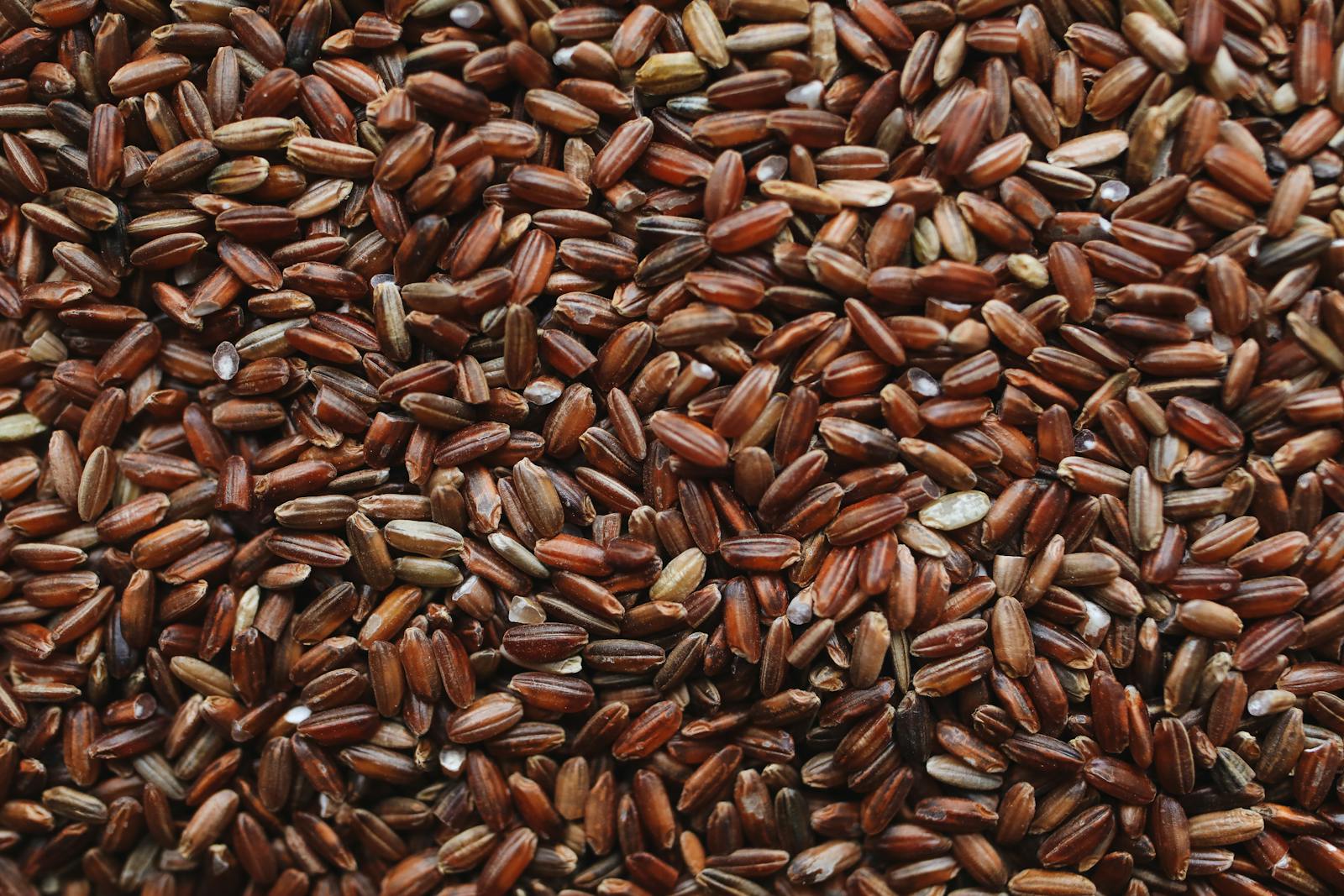
Brown rice is another whole grain that offers a good amount of silicon, providing about 2.5 milligrams of silicon per cup when cooked. Brown rice is also a rich source of fiber, magnesium, and B vitamins, all of which are important for overall bone health and metabolic processes. Unlike white rice, brown rice retains the bran and germ, which are rich in nutrients, including silicon.
Including brown rice in your meals is an easy way to get more silicon into your diet. It can be used as a base for stir-fries, grain bowls, or paired with lean proteins like chicken or tofu to create a balanced, nutrient-dense meal. For those seeking to optimize bone health, choosing whole grains like brown rice over refined grains is a smart dietary choice.
4. Green Beans
Green beans, also known as string beans, are an excellent source of dietary silicon, containing about 2.5 milligrams of silicon per 100 grams. Green beans are also rich in vitamin K, which is another nutrient critical for bone health, as it helps the body use calcium to build bones. Vitamin C in green beans also supports collagen production, which aids in maintaining the structural integrity of bones.
Green beans are incredibly versatile and can be steamed, sautéed, or added to salads. Their high silicon content, along with other essential nutrients, makes them a great choice for improving bone strength. By incorporating more green beans into your meals, you’ll be supporting both bone density and joint health.
5. Barley
Barley is another grain that is packed with silicon, offering around 6 milligrams per 100 grams. This grain is also high in fiber and beta-glucans, which are beneficial for heart health and blood sugar control. Barley is a fantastic food choice for people looking to enhance their bone density, especially when consumed as part of a balanced diet rich in other bone-supporting nutrients.
Barley can be used in a wide range of dishes, from soups and stews to grain salads. It can also be used as a replacement for rice or pasta in many recipes, providing a nutrient-dense alternative. By regularly including barley in your diet, you’ll not only be boosting your silicon intake but also promoting digestive health and maintaining a healthy body weight, both of which indirectly support bone health.
6. Leafy Greens (Spinach, Kale)
Leafy greens like spinach, kale, and collard greens are celebrated for their high calcium content, but they also provide a good amount of silicon. One cup of raw spinach contains about 1 milligram of silicon. These greens are also rich in magnesium, vitamin K, and antioxidants, all of which contribute to healthy bones and prevent bone-related conditions.
Kale and spinach can be easily added to smoothies, salads, soups, and stir-fries. Their silicon content, combined with calcium and other bone-building nutrients, makes them a must-have for anyone focusing on bone health. Adding a variety of leafy greens to your diet ensures you’re not only boosting your silicon intake but also getting a diverse array of nutrients that work together to promote stronger, denser bones.
7. Cucumbers (with Skin)
Cucumbers, especially when eaten with their skin, are a great source of silicon, providing about 5 milligrams per medium-sized cucumber. Most of the silicon in cucumbers is found in the skin, so it’s important to eat them unpeeled for maximum benefit. Cucumbers are also hydrating and low in calories, making them an excellent addition to any diet aimed at improving bone health.
Cucumbers can be enjoyed in a variety of ways, from adding them to salads to blending them into smoothies. They’re also perfect for snacking and can be paired with hummus or other dips. Their high water content helps keep you hydrated, which is essential for overall health and also supports joint lubrication, indirectly benefiting your bones.
8. Whole Grain Bread
Whole grain bread, made from grains like wheat, barley, and oats, is a good source of silicon, with one slice providing around 4 milligrams of the mineral. Whole grain bread is also rich in fiber, which aids in digestion and helps maintain a healthy body weight, both of which are important for bone health. Choosing whole grain bread over white bread ensures that you’re consuming more nutrients, including silicon, magnesium, and B vitamins.
Whole grain bread can be used to make sandwiches, toast, or paired with soups and salads. It’s an easy and convenient way to incorporate silicon-rich grains into your daily diet, contributing to stronger bones over time.
9. Beer (in Moderation)
While it may seem surprising, beer can be a good source of dietary silicon due to the use of barley and hops in the brewing process. A pint of beer contains between 6 to 10 milligrams of silicon, depending on the brand and brewing method. Moderate consumption of beer has been linked to improved bone mineral density, particularly in postmenopausal women who are at higher risk for osteoporosis.
However, it’s essential to consume beer in moderation, as excessive alcohol intake can have negative effects on bone health, leading to weakened bones and increased fracture risk. For individuals looking to boost their silicon intake, an occasional beer can provide a fun way to do so, but it should be balanced with a healthy diet rich in other bone-supporting foods.
10. Carrots
Carrots are known for being high in beta-carotene, which supports eye health, but they are also a good source of silicon, providing around 2 milligrams of silicon per 100 grams. In addition to supporting bone health through silicon, carrots also contain vitamin A, which is essential for bone growth and development.
Carrots can be consumed in various forms—raw, cooked, or juiced. They make a great snack, can be added to soups or stews, or used in salads for a crunchy texture. Including carrots in your diet regularly provides multiple benefits for your bones, vision, and immune system.
11. Nuts (Almonds, Walnuts)
Nuts like almonds and walnuts contain moderate amounts of silicon and are also rich in healthy fats, magnesium, and calcium, all of which are critical for bone health. Almonds provide about 1.1 milligrams of silicon per 100 grams, while walnuts offer around 0.7 milligrams. The combination of omega-3 fatty acids in walnuts and calcium in almonds makes them a powerful duo for maintaining bone density and reducing inflammation.
Nuts are a convenient and nutrient-dense snack that can be eaten on their own, added to salads, or used in baking. Their high nutritional content makes them one of the best foods for promoting strong bones and overall wellness. Regularly consuming a handful of nuts each day is an easy way to ensure you’re getting enough silicon and other bone-supporting nutrients.
Conclusion
While calcium and vitamin D are commonly recognized as essential for bone health, silicon plays a critical and complementary role in building and maintaining strong bones. It aids in the formation of collagen and helps with the proper mineralization of bones, which is crucial for preventing conditions like osteopenia and osteoporosis. By incorporating silicon-rich foods such as bananas, oats, green beans, and whole grains into your diet, you can naturally enhance your bone strength and bone density.
A balanced diet that includes a variety of silicon-rich foods, along with weight-bearing exercises and adequate intake of other key nutrients like calcium, magnesium, and vitamin D, can significantly reduce the risk of bone-related diseases and ensure long-term bone health. Remember, the key to strong bones is not just focusing on one or two nutrients but taking a holistic approach that includes silicon as an essential part of your bone health regimen.