Antioxidants are compounds that help protect the body from the damaging effects of free radicals, which are unstable molecules that can lead to oxidative stress and, over time, contribute to the development of chronic diseases, aging, and cellular damage. A diet rich in antioxidants is essential for cellular health, as antioxidants neutralize free radicals and reduce inflammation, thus playing a significant role in maintaining the body’s overall well-being.
Many fruits, vegetables, and other whole foods are abundant in antioxidants, providing the body with the tools it needs to repair and maintain healthy cells. In this article, we’ll explore the 16 best foods rich in antioxidants that support cellular health, help fight oxidative stress, and reduce the risk of chronic diseases.
1. Blueberries
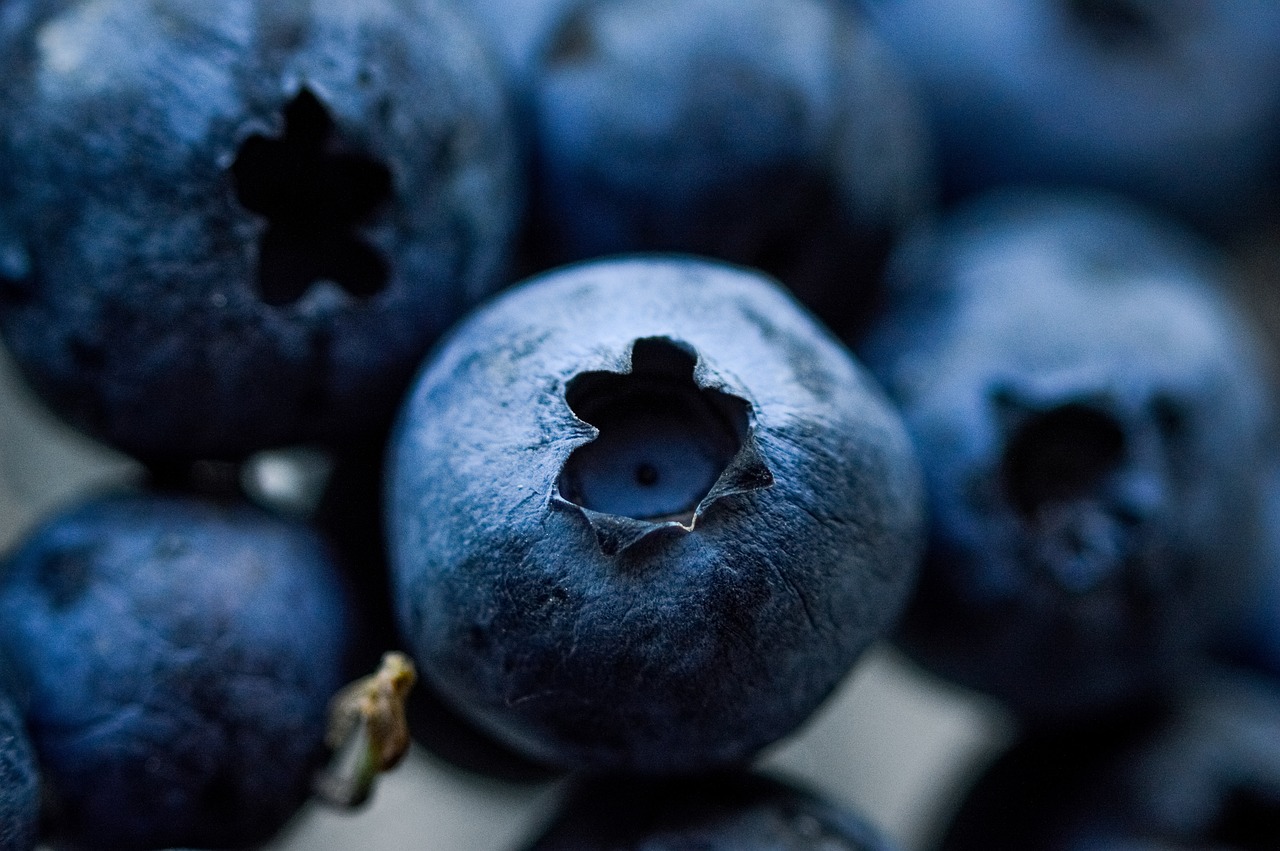
Blueberries are often referred to as a “superfood” due to their incredibly high antioxidant content. They are particularly rich in anthocyanins, a type of flavonoid that gives them their deep blue color. These powerful antioxidants help protect cells from oxidative damage, reduce inflammation, and support brain health. Studies suggest that regular consumption of blueberries may slow down the effects of aging, improve memory, and even lower the risk of certain cancers.
In addition to anthocyanins, blueberries contain vitamin C and vitamin K, both of which contribute to overall immune function and bone health. The high fiber content in blueberries also promotes gut health, which in turn supports the body’s ability to absorb nutrients and fight off harmful substances.
2. Dark Chocolate
Dark chocolate is not only a delicious treat but also an excellent source of antioxidants. It contains high levels of flavonoids, particularly epicatechin and catechins, which help improve blood flow, reduce inflammation, and protect the skin from sun damage. The darker the chocolate (preferably with 70% cocoa or more), the higher its antioxidant content.
The flavonoids in dark chocolate also support heart health by improving the function of blood vessels, reducing blood pressure, and lowering the risk of cardiovascular diseases. However, it’s important to consume dark chocolate in moderation due to its calorie and fat content, but when eaten mindfully, it can be a powerful addition to an antioxidant-rich diet.
3. Pecans
Pecans are a type of nut rich in healthy fats and a variety of antioxidants. They are particularly high in vitamin E, an important antioxidant that helps protect cell membranes from oxidative stress. Pecans also contain polyphenols, which have been linked to improved heart health and reduced inflammation.
Consuming a handful of pecans daily can improve antioxidant levels in the body and provide significant amounts of healthy fats, fiber, and minerals such as magnesium and zinc. Their ability to combat oxidative stress makes them an excellent choice for promoting cellular health and reducing the risk of chronic diseases such as heart disease and cancer.
4. Strawberries
Strawberries are another excellent source of antioxidants, particularly vitamin C and anthocyanins. Like blueberries, strawberries owe their vibrant color to anthocyanins, which help protect cells from damage and reduce inflammation. These antioxidants also improve heart health by lowering levels of LDL (bad) cholesterol and reducing blood pressure.
Strawberries are also rich in fiber, which supports digestive health and helps maintain stable blood sugar levels. The high vitamin C content in strawberries boosts the immune system, helps repair tissue, and promotes healthy skin by aiding collagen production.
5. Kale
Kale is one of the most nutrient-dense foods on the planet, packed with a wide range of antioxidants such as beta-carotene, vitamin C, flavonoids, and polyphenols. These antioxidants protect against oxidative stress, reduce inflammation, and support eye and skin health. Kale is also a good source of lutein and zeaxanthin, two antioxidants that specifically protect the eyes from damage caused by blue light and UV radiation.
In addition to antioxidants, kale is rich in fiber, vitamin K, and calcium, making it an excellent choice for supporting heart health, bone health, and overall cellular function. Whether consumed raw in salads, sautéed, or added to smoothies, kale is a fantastic addition to an antioxidant-rich diet.
6. Spinach
Spinach is another leafy green that is packed with antioxidants, including beta-carotene, vitamin C, vitamin E, and flavonoids. These antioxidants help combat oxidative stress and support healthy vision, skin, and immune function. Spinach also contains lutein and zeaxanthin, which are especially beneficial for eye health and can help reduce the risk of age-related macular degeneration.
Spinach is also high in magnesium, iron, and calcium, all of which are important for muscle function, energy production, and bone health. Incorporating spinach into your diet can help boost overall cellular health by reducing oxidative damage and providing essential nutrients that support the body’s natural repair mechanisms.
7. Raspberries
Raspberries are rich in vitamin C and quercetin, an antioxidant that has anti-inflammatory and antiviral properties. Raspberries are also high in ellagic acid, a polyphenol known for its ability to combat cancer-causing free radicals and reduce oxidative damage. These antioxidants work together to support heart health, improve immune function, and protect cells from oxidative stress.
Raspberries are also a great source of fiber, which supports digestive health and helps regulate blood sugar levels. Consuming raspberries regularly can contribute to overall cellular health and reduce the risk of chronic diseases like heart disease, diabetes, and cancer.
8. Artichokes
Artichokes are one of the highest vegetable sources of antioxidants, particularly chlorogenic acid, which helps reduce oxidative stress and inflammation in the body. Chlorogenic acid has been linked to a reduced risk of cardiovascular diseases, improved liver health, and better blood sugar regulation.
Artichokes are also high in fiber, which supports digestive health and helps remove toxins from the body. Additionally, they are a good source of vitamin C, magnesium, and potassium, which contribute to overall health and help maintain the body’s ability to repair and protect cells from damage.
9. Goji Berries
Goji berries are often considered a superfood due to their high concentration of antioxidants, particularly zeaxanthin and beta-carotene, which are known for their ability to support eye health and protect against oxidative stress. These antioxidants help fight free radicals, reduce inflammation, and support the immune system.
Goji berries are also rich in vitamin C, fiber, and iron, which contribute to improved energy levels and support healthy red blood cells. These nutrient-dense berries can be eaten on their own as a snack, added to smoothies, or mixed into yogurt for an antioxidant boost.
10. Red Grapes
Red grapes contain a variety of powerful antioxidants, including resveratrol, quercetin, and catechins, all of which help protect the body’s cells from oxidative stress and inflammation. Resveratrol, in particular, is known for its potential to support heart health by improving blood flow and reducing the risk of blood clots.
Red grapes are also a good source of vitamin C and vitamin K, which support immune function and bone health, respectively. Consuming red grapes regularly can help improve cellular health by protecting the body from damage caused by free radicals and reducing inflammation.
11. Beets
Beets are a vibrant root vegetable known for their high levels of betalains, antioxidants that give them their deep red color. Betalains have powerful anti-inflammatory and detoxifying properties, making beets an excellent food for supporting liver health and reducing oxidative damage in the body.
Beets are also rich in fiber, folate, and potassium, all of which support heart health and help regulate blood pressure. The combination of antioxidants and essential nutrients in beets makes them a great addition to any diet focused on boosting cellular health and reducing the risk of chronic diseases.
12. Tomatoes
Tomatoes are an excellent source of lycopene, a powerful antioxidant that helps protect cells from damage and reduce the risk of chronic diseases such as cancer and heart disease. Lycopene is particularly effective at protecting the skin from UV damage and supporting overall skin health.
In addition to lycopene, tomatoes are rich in vitamin C, vitamin A, and potassium, all of which contribute to immune function, eye health, and heart health. Cooking tomatoes, such as in sauces or soups, actually increases the bioavailability of lycopene, making it easier for the body to absorb this important antioxidant.
13. Broccoli
Broccoli is a cruciferous vegetable that is rich in sulforaphane, a powerful antioxidant that supports detoxification and reduces oxidative stress. Sulforaphane has been shown to protect against cancer by neutralizing harmful toxins and supporting the body’s natural detoxification pathways. Broccoli also contains high levels of vitamin C, beta-carotene, and quercetin, all of which support immune function and protect cells from damage.
Broccoli is also an excellent source of fiber, calcium, and folate, making it a nutrient-dense food that supports overall cellular health and promotes detoxification.
14. Pomegranates
Pomegranates are rich in punicalagins and ellagic acid, two antioxidants that help protect the body from oxidative stress and inflammation. These compounds have been shown to reduce the risk of heart disease, lower blood pressure, and protect the brain from age-related cognitive decline. Pomegranates are also a good source of vitamin C, which supports immune function and skin health.
In addition to their antioxidant content, pomegranates are rich in fiber, which helps support digestive health and promote regular bowel movements. Consuming pomegranates regularly can help improve overall cellular health and reduce the risk of chronic diseases.
15. Apples
Apples are a convenient and delicious source of antioxidants, particularly quercetin, a flavonoid that has anti-inflammatory and immune-boosting properties. Quercetin helps protect cells from oxidative stress and supports heart health by reducing the risk of high blood pressure and cholesterol levels.
Apples also contain vitamin C and fiber, both of which contribute to overall health by supporting the immune system and promoting healthy digestion. The antioxidants in apples, combined with their high fiber content, make them an excellent food for promoting cellular health and reducing inflammation.
16. Avocados
Avocados are a nutrient-dense fruit that contains a variety of antioxidants, including vitamin E, lutein, and glutathione, all of which help protect cells from oxidative damage. Vitamin E, in particular, plays a key role in maintaining healthy skin and protecting the body from free radicals.
Avocados are also rich in monounsaturated fats, which support heart health by lowering bad cholesterol levels and promoting good cholesterol levels. In addition to their antioxidant properties, avocados are high in fiber, potassium, and B-vitamins, making them an excellent choice for overall health and cellular protection.
Conclusion
Incorporating antioxidant-rich foods into your daily diet is one of the most effective ways to support cellular health and protect your body from the damaging effects of free radicals. The 16 foods listed above are not only delicious but also packed with a wide range of antioxidants, vitamins, and minerals that promote overall well-being and reduce the risk of chronic diseases.
From the flavonoids in dark chocolate and berries to the powerful carotenoids in tomatoes and kale, each of these foods offers unique benefits that can enhance your health at the cellular level. By including a variety of these antioxidant-rich foods in your meals, you can ensure that your body has the nutrients it needs to fight oxidative stress, support immune function, and promote long-term health.