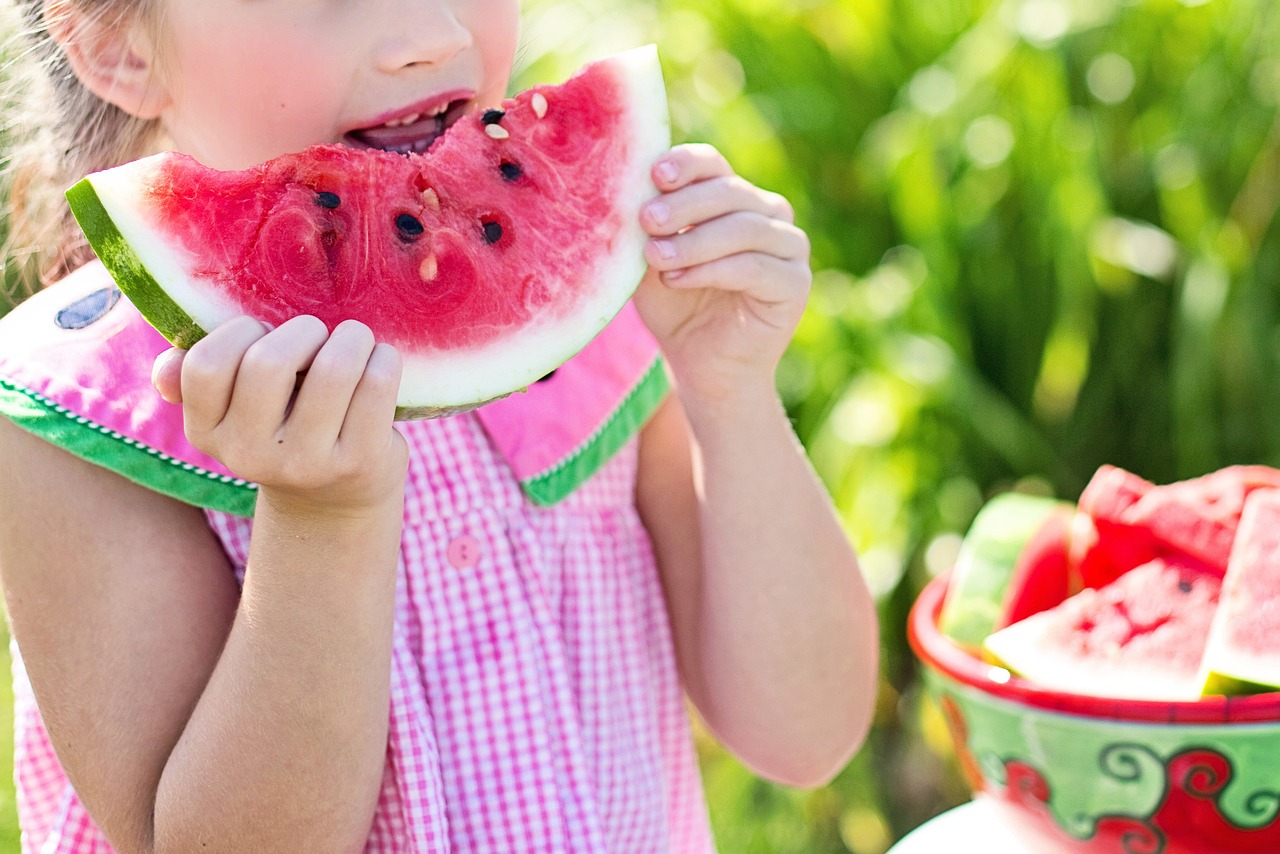
Watermelon is a delicious and refreshing fruit that many children enjoy, especially during the warm months. However, beyond its juicy and sweet taste, watermelon is packed with essential nutrients that offer a wide range of health benefits for growing children. From supporting hydration and digestion to promoting immune health and mental well-being, watermelon is a powerhouse fruit that can enhance your child’s overall health.
In this detailed guide, we will explore the 14 health benefits of watermelon for children, emphasizing how this nutrient-rich fruit can contribute to their physical, mental, and emotional development.
1. Hydration
One of the most crucial benefits of watermelon for children is its ability to keep them hydrated. Watermelon is made up of around 92% water, making it an excellent hydrating snack, especially during hot summer days or after physical activity. Children are more susceptible to dehydration, especially when they are engaged in outdoor play or sports. Ensuring proper hydration is essential for maintaining energy levels, regulating body temperature, and supporting overall bodily functions.
Watermelon not only helps to replenish fluids but also contains electrolytes like potassium, which further aids in maintaining the body’s fluid balance. Staying hydrated supports proper digestion, circulation, and cognitive function, all of which are critical for children’s development. Offering watermelon as a snack or blending it into a hydrating smoothie can be a great way to keep children refreshed and energized throughout the day.
2. Rich in Vitamins
Watermelon is a significant source of essential vitamins that are important for children’s growth and development, including vitamin A, vitamin C, and vitamin B6. These vitamins play multiple roles in supporting overall health:
- Vitamin A: Crucial for eye health, immune function, and skin health, vitamin A helps maintain good vision and supports the proper functioning of the immune system. For children, adequate intake of vitamin A is essential for healthy eyesight and protecting them from infections.
- Vitamin C: A potent antioxidant that boosts the immune system and supports the production of collagen, vitamin C is vital for the growth and repair of tissues. It helps protect cells from damage, aids in the absorption of iron from plant-based foods, and enhances overall immunity, helping children stay healthy and vibrant.
- Vitamin B6: This vitamin is essential for brain development and proper nervous system function. It aids in the production of neurotransmitters such as serotonin and dopamine, which are critical for regulating mood and behavior in children.
Together, these vitamins support healthy growth, enhance the immune system, and ensure proper physical and cognitive development in children.
3. Antioxidant Protection
Watermelon is packed with antioxidants like lycopene and beta-carotene, both of which play important roles in protecting the body’s cells from oxidative damage. Antioxidants help neutralize harmful free radicals, reducing the risk of chronic diseases and promoting overall cellular health. While chronic diseases may not be a concern for children, antioxidant-rich foods like watermelon help strengthen the immune system and protect against environmental stressors.
- Lycopene: This antioxidant gives watermelon its red color and has been linked to reduced inflammation and protection against certain types of cancer. Lycopene is also beneficial for heart health and may contribute to maintaining healthy blood pressure levels in children.
- Beta-Carotene: Another important antioxidant, beta-carotene is converted into vitamin A in the body and plays a vital role in supporting immune function and maintaining healthy skin and vision.
Incorporating antioxidant-rich foods like watermelon into your child’s diet can help boost their immune defenses, protecting them from infections and supporting their overall well-being.
4. Digestive Health
Watermelon contains a significant amount of fiber and water, both of which are essential for maintaining a healthy digestive system in children. Fiber aids in digestion by adding bulk to the stool and promoting regular bowel movements. It helps prevent constipation, which is a common issue in children due to poor diet or lack of water intake.
By incorporating fiber-rich foods like watermelon into your child’s diet, you can help ensure that their digestive system functions smoothly. Adequate fiber intake supports gut health, improves nutrient absorption, and promotes a healthy gut microbiome. Additionally, the high water content in watermelon helps prevent dehydration, which can also contribute to digestive issues like constipation.
Offering watermelon as a daily snack or in meals can improve bowel regularity and support overall digestive health for children.
5. Muscle Recovery
Watermelon contains citrulline, an amino acid that can help with muscle recovery and physical performance. Citrulline is known to improve blood flow and reduce muscle soreness, making watermelon a great snack for active children who engage in physical activities like sports or outdoor play. It helps promote muscle repair and recovery, allowing children to stay active without experiencing prolonged soreness or fatigue.
Citrulline also converts into arginine in the body, which supports heart health and overall circulation. For children who are involved in regular physical activities, eating watermelon after exercise can help them recover faster and maintain their energy levels for the next day’s activities.
Incorporating watermelon into your child’s diet post-activity provides a natural, hydrating source of amino acids that aids in muscle repair and promotes sustained physical performance.
6. Heart Health
Watermelon is rich in potassium and magnesium, both of which are important for maintaining heart health and regulating blood pressure in children. Potassium helps balance sodium levels in the body, preventing fluid retention and supporting proper heart function. Additionally, magnesium helps relax blood vessels and promotes healthy blood flow, reducing the risk of high blood pressure.
Though cardiovascular diseases typically affect adults, it is essential to establish healthy habits from a young age to ensure children maintain a healthy heart throughout their lives. Consuming potassium- and magnesium-rich foods like watermelon helps lay the foundation for long-term cardiovascular health by promoting balanced blood pressure and proper heart function.
By making watermelon a regular part of your child’s diet, you can support heart health from an early age and reduce the risk of hypertension and other cardiovascular concerns as they grow.
7. Energy Boost
Children are constantly on the go, and providing them with healthy snacks that offer an energy boost is essential for keeping them active and focused throughout the day. Watermelon’s natural sugars, such as fructose and glucose, provide a quick source of energy that fuels their activities without causing a sharp spike in blood sugar levels.
In addition to natural sugars, watermelon contains complex carbohydrates, which provide a more sustained release of energy, helping children maintain steady energy levels during school, play, or sports. The high water content also ensures that they stay hydrated, which is critical for maintaining energy and focus throughout the day.
Offering watermelon as a pre- or post-activity snack can give your child the energy boost they need to stay engaged and active while ensuring they are getting nutrient-dense fuel.
8. Weight Management
Watermelon is naturally low in calories and contains virtually no fat, making it an ideal snack for children who need to watch their weight. With only about 45 calories per cup, watermelon is a nutrient-dense fruit that provides important vitamins and minerals without contributing to excessive calorie intake.
The high water and fiber content in watermelon can help children feel full and satisfied, reducing the likelihood of overeating or reaching for unhealthy snacks. Watermelon’s natural sweetness can also help curb sugar cravings, making it a healthier alternative to sugary snacks and desserts.
By incorporating watermelon into your child’s diet, you can support weight management and promote healthy eating habits that encourage a balanced relationship with food.
9. Skin Health
Vitamin C, found abundantly in watermelon, is essential for promoting collagen production—a protein that helps maintain skin elasticity and firmness. Collagen is vital for wound healing and keeping the skin looking smooth and healthy, especially during periods of rapid growth in children. Clear skin and strong connective tissues are important for both appearance and overall skin health.
The antioxidants in watermelon, such as lycopene and vitamin C, also help protect the skin from environmental stressors like pollution and harmful UV rays. By neutralizing free radicals, these antioxidants help reduce the risk of skin damage and prevent premature aging.
Regular consumption of watermelon can enhance your child’s skin health, promoting a clear, radiant complexion and supporting the development of healthy skin cells.
10. Mental Health
Watermelon contains vitamin B6 and magnesium, two nutrients that play a critical role in supporting brain function and mood regulation. Vitamin B6 is essential for producing neurotransmitters like serotonin and dopamine, which are crucial for regulating mood, behavior, and emotional well-being in children. A lack of vitamin B6 can lead to feelings of irritability and mood swings.
Magnesium also helps relax the nervous system and reduce stress and anxiety levels. It promotes better sleep and supports cognitive function, ensuring that children can focus and perform well in school and maintain emotional balance. A diet rich in magnesium and vitamin B6, such as one that includes watermelon, can contribute to better mental health, improved mood regulation, and reduced feelings of stress and anxiety in children.
Watermelon’s high water content also plays a role in supporting brain health, as proper hydration is essential for maintaining cognitive function, focus, and concentration. Dehydration can lead to fatigue and difficulty concentrating, which can impact a child’s performance in school or during other activities that require sustained mental effort.
Including watermelon in your child’s diet can not only help them stay focused and alert but also support their overall emotional well-being.
11. Immune Support
Watermelon is rich in vitamin C, beta-carotene, and other antioxidants that provide essential support for the immune system. Vitamin C plays a critical role in stimulating the production of white blood cells, which are the body’s first line of defense against infections and illnesses. Children are frequently exposed to germs and viruses, especially in school or daycare settings, making a strong immune system vital to their health.
Additionally, beta-carotene—which is converted into vitamin A—helps maintain the health of mucous membranes in the respiratory and digestive tracts. These membranes act as barriers that protect the body from harmful pathogens. Vitamin A also plays a role in promoting the development and function of immune cells that fight off infections.
By regularly incorporating watermelon into your child’s diet, you can help boost their immune defenses, reduce the frequency of illnesses, and support their overall health.
12. Bone Health
Watermelon contains important minerals like calcium, magnesium, potassium, and phosphorus, all of which are essential for the development and maintenance of strong bones. Calcium is especially important for children as their bones are growing and developing rapidly. It helps build bone mass, which is crucial for preventing issues like osteoporosis later in life.
Magnesium and phosphorus work alongside calcium to support bone density and mineralization, ensuring that bones stay strong and healthy. Potassium helps the body retain calcium, reducing the risk of calcium loss through urine, which can weaken bones over time.
Including watermelon in your child’s diet provides these critical minerals, supporting bone development and helping to ensure that they build a strong skeletal foundation during their formative years. This is especially important for active children who need strong bones to withstand physical activity and sports.
13. Allergy Prevention
Interestingly, some studies suggest that compounds found in watermelon may help reduce the risk of developing allergic reactions in children. Cucurbitacin E, a compound naturally present in watermelon, has been shown to have anti-inflammatory and antihistamine properties, which can potentially reduce the severity of allergy symptoms. While more research is needed, it is believed that the antioxidants and anti-inflammatory compounds in watermelon may help modulate the immune system and prevent the overreaction that leads to allergy symptoms.
By including watermelon in your child’s diet, you may help them build a stronger immune system that is less prone to reacting to allergens, potentially lowering their risk of developing common childhood allergies like hay fever or food sensitivities.
14. Healthy Growth
Watermelon provides a wide range of nutrients, including vitamins, minerals, and antioxidants, all of which are essential for healthy growth in children. The combination of vitamin A, vitamin C, magnesium, potassium, and B vitamins supports cell growth, tissue repair, and overall physical development.
Vitamin A is particularly important for bone growth, while vitamin C supports the growth and repair of tissues. Magnesium and phosphorus are essential for bone health and energy production, ensuring that children have the nutrients they need for proper growth and development.
Incorporating watermelon into your child’s diet can provide them with the necessary nutrients to grow strong, healthy, and active. Regular consumption of watermelon supports their physical development while also contributing to mental and emotional well-being.
Conclusion
Watermelon is much more than a refreshing and tasty fruit—it is a nutritional powerhouse that offers a multitude of health benefits for growing children. From supporting hydration and immune health to promoting healthy bones, digestive health, and mental well-being, watermelon is an excellent addition to your child’s diet. Its rich content of vitamins, minerals, antioxidants, and amino acids can help ensure that your child grows up healthy, active, and strong.
Whether served fresh, as part of a smoothie, or incorporated into snacks, watermelon is a versatile and nutrient-dense option that children can enjoy while benefiting from its health-boosting properties. Regular consumption of watermelon can provide children with essential nutrients for overall growth and development, making it a valuable fruit for supporting their physical and emotional health as they grow.