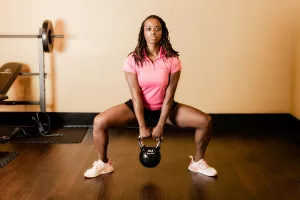
Pilates is a multifaceted exercise discipline that offers a wide array of benefits, particularly when it comes to enhancing core strength. Engaging in regular Pilates practice can transform your physical capabilities, mental clarity, and overall well-being. Let’s delve into each benefit with more depth and practical insights. The journey of improving core stability starts with engaging the deep abdominal muscles, such as the transverse abdominis. Imagine these muscles as a corset that wraps around your torso, providing support and stability. By focusing on exercises like the Pilates Hundred or Plank, you can activate these deep core muscles, leading to improved posture and a sturdy foundation for all movements.
Enhanced Core Stability
Pilates focuses on engaging the deep layers of the abdominals, which is crucial for core stability. This, in turn, supports the spinal structure and promotes balance. A practical example is the “Roll-Up” exercise. Begin by lying on your back with your arms extended overhead and slowly roll up to a seated position, vertebra by vertebra. This movement mimics the natural articulation of the spine and strengthens the core from the inside out.
Practical Insight:
- Mindful Engagement: During core exercises, consciously engage your deep core muscles by pulling your navel towards your spine. This practice not only strengthens these muscles but also enhances your body awareness.
Improved Posture Alignment
Poor posture is a common issue that can lead to discomfort and long-term musculoskeletal problems. Pilates addresses this by promoting proper spinal alignment. For example, the “Spine Stretch Forward” exercise encourages lengthening of the spine and engagement of the back muscles. Practicing this regularly can help correct rounded shoulders and reduce the excessive curvature of the spine.
Practical Tip:
- Daily Check-ins: Incorporate brief posture checks into your day. Stand against a wall, making sure your heels, glutes, shoulders, and head touch the wall. This alignment exercise can remind you of the correct posture and highlight any imbalances.
- Workstation Ergonomics: If you spend long hours at a desk, ensure your workstation is ergonomically sound. Position your monitor at eye level and use a chair that supports the natural curve of your spine to maintain good posture throughout the day.
Increased Flexibility
Flexibility is not just about touching your toes; it’s about enhancing the range of motion in your joints. Pilates exercises like the “Saw” and “Side Kick” series stretch tight muscles and promote joint mobility. As you practice these movements, you’ll find everyday tasks, such as reaching for objects or bending down, become easier.
Practical Insight:
- Dynamic Stretching: Incorporate dynamic stretches into your Pilates routine to prepare your muscles for more intense movements. This not only boosts flexibility but also reduces the risk of injury.
Enhanced Coordination
Coordination is the ability to execute smooth, efficient, and controlled movements. Pilates requires precision, which hones your neuromuscular pathways. Take the “Single Leg Stretch” for instance—this exercise challenges coordination by synchronizing breath with limb movement, thereby enhancing overall body control.
Practical Tip:
- Mirror Practice: Perform Pilates exercises in front of a mirror. This visual feedback helps refine your movements and improve coordination.
- Rhythmic Breathing: Practice matching your breath to your movements, creating a rhythm that supports coordination and balance during exercises.
Better Balance
Balance isn’t just crucial for athletes; it’s essential for everyone, especially as we age. Pilates strengthens the core stabilizing muscles, thereby improving balance. The “Tree Pose” in Pilates, which involves standing on one leg while maintaining a tall posture, is an excellent practice for enhancing balance.
Practical Example:
- Balance Challenges: Integrate balance challenges into your routine, such as standing on one leg while brushing your teeth. This simple daily activity can significantly enhance your balance over time.
Improved Breathing Techniques
Pilates places a strong emphasis on breathing. Proper breathing not only increases oxygen intake but also supports the execution of movements. The “Pilates Breathing” technique—inhale through the nose, exhale through the mouth with a focus on using the diaphragm—promotes relaxation and efficiency.
Practical Insight:
- Breath Awareness: Begin each Pilates session with a few moments of breath awareness. Focus on deep diaphragmatic breathing to center your mind and prepare your body for movement.
Increased Muscle Tone
Pilates isn’t about bulking up; it’s about sculpting lean muscles. Exercises like the “Leg Pull Front” and “Side Plank” target specific muscle groups, helping you achieve a toned physique. Over time, this leads to a balanced muscle tone and improved strength.
Practical Tip:
- Progressive Overload: Gradually increase the intensity or resistance of your Pilates exercises to continue challenging your muscles, promoting muscle growth and tone.
Stress Reduction
The mind-body connection in Pilates is a powerful tool for stress reduction. Focusing on each movement and breath can shift your attention away from stressors, creating a meditative state. Practicing Pilates in a quiet space with dim lighting can enhance this calming effect.
Practical Insight:
- Mindful Movement: Incorporate mindfulness into your Pilates practice by fully immersing yourself in each movement, allowing you to leave stressors at the door and focus solely on your body and breath.
Injury Prevention
Building a strong core and improving alignment are key to preventing injuries. For example, the “Swimming” exercise, which involves alternating arm and leg lifts while lying prone, strengthens the back and core muscles, reducing the risk of injury during other physical activities.
Practical Example:
- Functional Movements: Integrate functional movements into your Pilates routine that mimic everyday activities, enhancing your body’s ability to perform daily tasks without injury.
Enhanced Athletic Performance
Athletes across various sports incorporate Pilates into their routines to improve performance. Whether you’re a runner, swimmer, or cyclist, the core strength and flexibility gained from Pilates can enhance your endurance and agility.
Practical Example:
- Runner’s Edge: Incorporating Pilates exercises that focus on hip flexibility and stability, such as “Leg Circles,” can improve a runner’s stride and reduce the likelihood of injuries.
- Cyclist’s Advantage: For cyclists, exercises that enhance core stability and hip flexibility, such as “Bridging,” can improve cycling efficiency and power.
Improved Digestion
The core engagement in Pilates can positively impact digestion. Exercises like the “Rolling Like a Ball” massage the internal organs, promoting digestive health and alleviating bloating.
Practical Insight:
- Gentle Movements: Incorporate gentle twisting movements in your Pilates routine to stimulate digestion and promote the efficient movement of food through your digestive tract.
Enhanced Circulation
The flowing movements of Pilates stimulate blood flow, enhancing circulation. This improved blood flow ensures efficient delivery of oxygen and nutrients, contributing to overall vitality.
Practical Tip:
- Regular Practice: Aim for regular Pilates practice, as consistency is key to maintaining the circulatory benefits and ensuring your body remains energized and nourished.
Back Pain Relief
Back pain is a common ailment that Pilates can effectively address. By strengthening the core and improving posture, exercises like “Pelvic Curl” alleviate back tension and enhance spinal support.
Practical Example:
- Strengthen and Stretch: Pair strengthening exercises with stretches for the back muscles to address imbalances and alleviate pain more effectively.
Prevention of Osteoporosis
Weight-bearing exercises in Pilates, such as the “Footwork” on the Reformer, help increase bone density. This is particularly beneficial for women post-menopause, who are at higher risk for osteoporosis.
Practical Insight:
- Bone Health Routine: Create a Pilates routine that includes a mix of weight-bearing and resistance exercises to promote bone health and reduce the risk of osteoporosis.
Improved Mind-Body Awareness
Pilates fosters a heightened sense of body awareness. As you focus on the precision of each movement, you develop a deeper connection between your mind and body. This awareness can translate to better movement efficiency in daily life.
Practical Tip:
- Body Scans: Perform body scans during your Pilates sessions to increase awareness of any tension or imbalances, allowing you to address them promptly.
Better Sleep Quality
Regular Pilates practice can contribute to better sleep patterns. The relaxation techniques and breathing exercises integral to Pilates can calm the mind and prepare the body for restful sleep.
Practical Insight:
- Evening Routine: Incorporate a Pilates-based relaxation routine into your evening to unwind and signal to your body that it’s time to transition to sleep.
Increased Energy Levels
Pilates can be energizing. The combination of physical movement and mindful breathing boosts energy levels. You might find that a morning Pilates session sets a positive tone for the day, leaving you invigorated and ready to tackle daily challenges.
Practical Tip:
- Morning Boost: Start your day with a few energizing Pilates exercises, such as the “Hundred,” to awaken your body and boost your energy levels.
Weight Management
While Pilates is not a high-calorie-burning exercise, it supports weight management by building muscle and increasing metabolism. Pairing Pilates with a balanced diet can effectively aid in weight control.
Practical Insight:
- Balanced Approach: Combine Pilates with cardiovascular exercises and a balanced diet to create a comprehensive weight management plan that supports overall health.
Overall Well-Being
Pilates offers a holistic approach to wellness. By integrating it into your routine, you can enhance your physical, mental, and emotional health. The benefits extend beyond the mat, impacting various aspects of life, from improved mood to increased resilience against stress.
Practical Tip:
- Consistency is Key: To fully reap the benefits of Pilates, consistency is crucial. Aim for at least two to three sessions per week. Even short, 15-minute daily practices can significantly impact your well-being over time.
By diving deeper into the practice of Pilates, you’re not just performing exercises; you’re embarking on a journey toward a healthier, more balanced life. Whether you’re a seasoned athlete or just beginning your fitness journey, incorporating Pilates into your routine can unlock numerous benefits that extend far beyond physical fitness. Through mindful practice and consistent effort, Pilates can become a cornerstone of your health and wellness routine, guiding you to a more vibrant and resilient self.