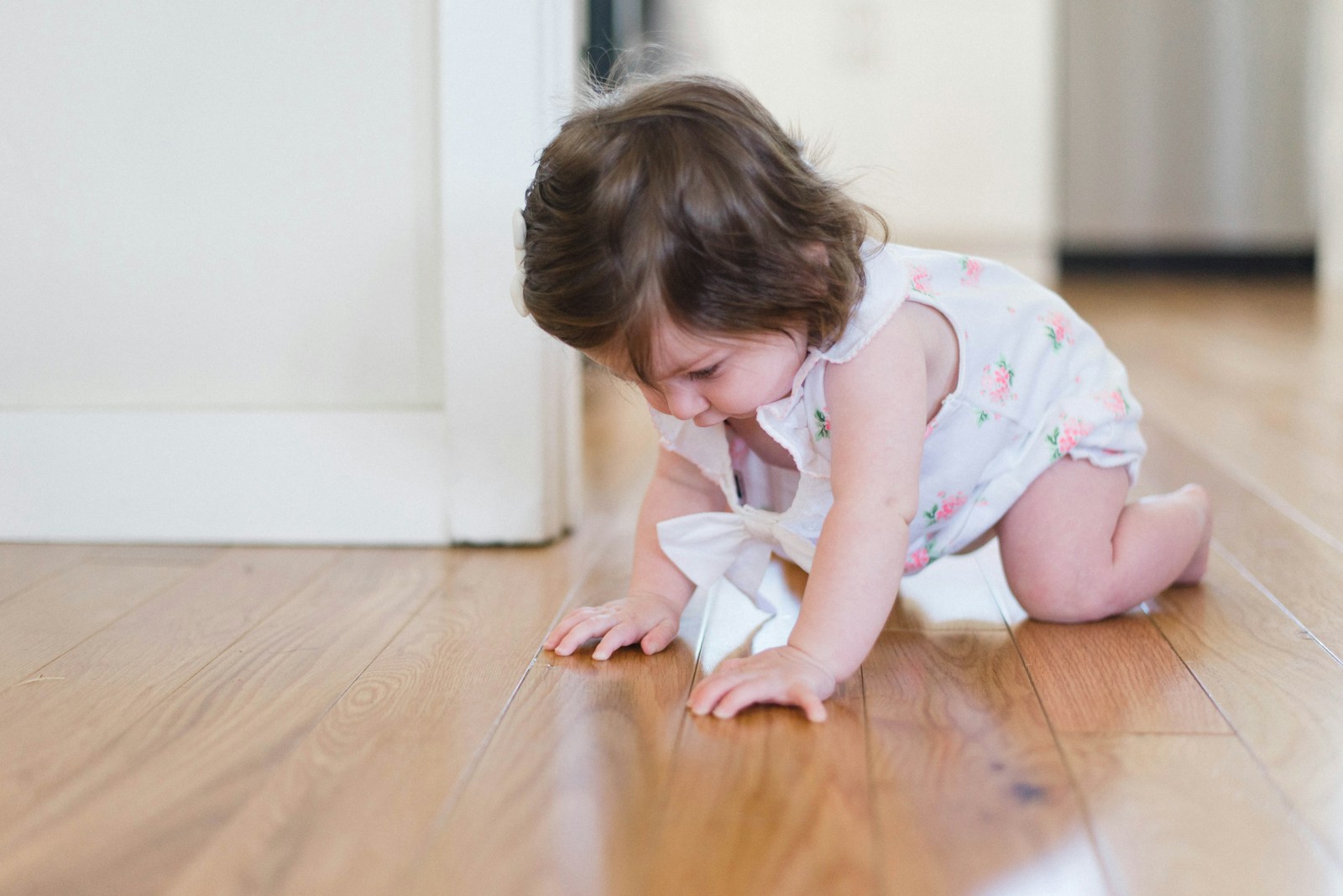
When it comes to keeping your baby safe, your home can present numerous hidden dangers. From sharp objects to choking hazards and electrical outlets, many common household items pose risks to curious and mobile babies. As a parent, it’s crucial to baby-proof your home to ensure that your little one can explore their environment without coming into harm’s way.
This guide will walk you through the most common household hazards and provide comprehensive strategies on how parents can safeguard their babies from accidents and injuries. By taking proactive steps and creating a safe home environment, you can minimize risks and protect your baby as they grow and explore.
1. Install Baby Gates for Staircases and Unsafe Areas
Stairs are one of the most common hazards for babies, especially once they start crawling or walking. Falls down stairs can lead to serious injuries, so it’s essential to block access to staircases with secure baby gates.
- Tip for Installation: Install sturdy, pressure-mounted or hardware-mounted baby gates at the top and bottom of staircases to prevent your baby from accessing stairs unsupervised. Also, consider installing gates to block off other hazardous areas like the kitchen, laundry room, or bathrooms.
- Avoid Pressure-Only Gates at the Top: When installing gates at the top of stairs, choose hardware-mounted gates instead of pressure-only gates, as they are more secure and less likely to dislodge.
Bonus Tip: Look for baby gates with locking mechanisms that are difficult for toddlers to figure out but easy for adults to operate.
2. Cover Electrical Outlets and Secure Cords
Electrical outlets and power cords are dangerous, as babies are naturally curious and tend to put their fingers or objects into outlets. Power cords can also pose strangulation or electrocution hazards if not properly secured.
- Outlet Covers: Use plastic outlet covers or sliding outlet protectors to cover unused electrical outlets. These covers prevent babies from sticking their fingers or objects into the outlets.
- Cord Management: Secure cords from appliances, lamps, or electronics using cord covers or cable organizers. Keep all cords out of your baby’s reach, especially near cribs, play areas, and high-traffic zones.
Bonus Tip: Use furniture to block outlets that you don’t need to access frequently, making it harder for your baby to reach them.
3. Anchor Furniture to Prevent Tipping
Heavy furniture, such as bookshelves, dressers, and televisions, can pose a tipping hazard if your baby tries to climb or pull themselves up on them. Falling furniture is a leading cause of injury for toddlers and babies who are just learning to stand or walk.
- Anchor Furniture: Use anti-tip straps or brackets to anchor heavy furniture to the wall. Secure televisions to the wall or place them on sturdy stands that cannot be easily tipped over.
- Avoid Tempting Climbing Opportunities: Avoid placing toys, remote controls, or other attractive items on top of tall furniture that may encourage your baby to climb.
Bonus Tip: Regularly check that the anchors and brackets are still secure, especially if furniture has been moved.
4. Lock Cabinets and Drawers with Hazardous Items
Kitchens and bathrooms are full of potential hazards, including cleaning products, sharp objects, and medicines. Babies may easily open cabinets and drawers, giving them access to dangerous substances or objects.
- Childproof Cabinet Locks: Install childproof locks or latches on cabinets and drawers that contain dangerous items, such as knives, cleaning supplies, chemicals, and medicines. Magnetic locks or adhesive latches are easy to install and prevent babies from opening drawers and doors.
- Store Hazardous Items Up High: Whenever possible, store harmful chemicals, sharp tools, and medications in high cabinets out of your baby’s reach.
Bonus Tip: Move plastic bags, rubber bands, and other suffocation hazards to locked cabinets, as babies may be tempted to play with these items.
5. Use Corner and Edge Protectors on Furniture
Sharp corners and edges on furniture, such as coffee tables, countertops, and shelves, can lead to bumps and injuries when babies begin to crawl or walk. Babies are often unsteady on their feet and can easily fall into these sharp edges.
- Install Corner Protectors: Apply foam or rubber corner and edge protectors to furniture with sharp corners, such as tables and countertops. These protectors cushion the blow if your baby falls against the edge of the furniture.
- Safety Pads: Use safety pads on hard or sharp edges in high-traffic areas, especially around furniture where your baby is likely to play or crawl.
Bonus Tip: Ensure the corner protectors are securely attached and cannot be pulled off by curious little hands.
6. Keep Choking Hazards Out of Reach
Choking is a serious risk for babies and toddlers who love to explore the world by putting objects in their mouths. Small toys, coins, batteries, and even certain foods can be dangerous if ingested.
- Avoid Small Objects: Keep small items like coins, buttons, paperclips, marbles, and batteries out of your baby’s reach. Regularly check the floor for stray objects, especially after visitors or older children have been playing.
- Age-Appropriate Toys: Only provide toys that are appropriate for your baby’s age, as these are less likely to contain small parts that can be a choking hazard. Ensure that stuffed animals and toys are durable and don’t have small pieces that can easily break off.
- Cut Food Appropriately: When feeding your baby solid foods, cut them into small, bite-sized pieces to avoid choking. Avoid giving babies hard or sticky foods like nuts, popcorn, and whole grapes.
Bonus Tip: Always supervise your baby during mealtime to ensure they are chewing and swallowing safely.
7. Install Window Guards and Lock Balcony Doors
Windows and balconies can be dangerous for babies who are starting to explore their environment. Falls from windows are one of the leading causes of injury in young children.
- Window Guards: Install window guards on all windows above the first floor. These guards prevent your baby from accidentally falling out if they push or lean against the window. Window stops can also limit how far the window can open.
- Lock Balcony Doors: Ensure that balcony doors are securely locked, and never leave your baby unsupervised near a balcony. If you have a sliding door, use a sliding door lock or bar to keep it securely closed.
Bonus Tip: If you have blinds, ensure that the cords are kept out of reach, as they can be a strangulation hazard.
8. Keep Bathroom Doors Closed
Bathrooms are full of potential hazards, including water, electrical appliances, and chemicals. It’s best to keep bathroom doors closed and secured with childproof locks when your baby is not supervised.
- Toilet Lid Locks: Install toilet lid locks to prevent your baby from lifting the lid and potentially falling in. Drowning can occur in even a small amount of water, so this step is crucial.
- Keep Water Temperature Safe: Set your water heater to a maximum of 120°F (49°C) to prevent scalding if your baby turns on the faucet.
Bonus Tip: Always supervise your baby during bath time, and never leave them unattended, even for a moment.
9. Use Baby-Proofing Solutions for the Fireplace
If you have a fireplace, it’s important to make it baby-safe, even when not in use. Fireplaces pose risks from sharp edges, the potential for burns, and the presence of small pieces like ash or rocks.
- Install a Gate or Barrier: Use a fireplace gate or barrier to block access to the fireplace, even when it’s not lit. Make sure the gate is tall and sturdy enough to prevent your baby from reaching over it.
- Cover the Hearth: Use soft hearth covers or bumpers to cushion the sharp edges of the fireplace hearth, which can be a hazard if your baby falls nearby.
Bonus Tip: Always check the fireplace area for small objects like rocks or fire-starting materials that your baby might try to put in their mouth.
10. Be Mindful of Houseplants
Many common household plants can be toxic if ingested by babies or pets. Even non-toxic plants can pose a choking hazard if your baby chews on the leaves or parts of the plant.
- Place Plants Out of Reach: Keep houseplants on high shelves or in areas that are inaccessible to your baby. Be cautious about the types of plants you have in your home.
- Remove Toxic Plants: Some common toxic plants include philodendron, pothos, peace lily, and dieffenbachia. Remove any plants that may be harmful if chewed or ingested.
Bonus Tip: For a safe option, opt for non-toxic plants like spider plants or Boston ferns that are safe for babies and pets.
11. Supervise Pets Around Your Baby
While pets are often great companions for children, they can pose risks if interactions aren’t closely monitored. Even well-behaved pets may unintentionally hurt a baby by playing too rough or knocking them over.
- Pet Supervision: Always supervise interactions between your baby and pets, especially during the early months. Teach older children to be gentle and respectful of pets.
- Secure Pet Food: Keep pet food and water dishes out of your baby’s reach, as they may present a choking hazard or lead to spills.
Bonus Tip: Create a separate space for pets where they can retreat if they need a break from the baby’s attention.
12. Monitor Baby’s Play Area
As your baby becomes more mobile, it’s important to designate a safe, supervised play area where they can explore without risk. Use playpens, gates, or mats to create a controlled environment free from hazards. A well-monitored play area ensures that your baby can explore safely without the constant need for redirection or supervision of dangerous objects.
- Create a Safe Zone: Use baby gates or playpens to create a designated play area where your baby can move freely without coming into contact with unsafe objects. Ensure that the play area is free from sharp objects, small toys, or furniture that could tip over.
- Soft Surfaces: Cover the floor with soft play mats or carpets to cushion any falls as your baby learns to crawl, stand, or walk.
Bonus Tip: Rotate toys in and out of the play area to keep your baby engaged, but always ensure that the toys are age-appropriate and free from small parts that could pose a choking hazard.
13. Keep Medicine and Cleaning Products Out of Reach
Household cleaning products and medications are among the most common sources of accidental poisoning in young children. It’s essential to store these items securely and out of reach.
- Lockable Storage: Store all cleaning products, laundry detergents, and medications in locked cabinets, preferably in a high location that your baby cannot access. Use childproof locks on lower cabinets where these items are stored.
- Original Containers: Always keep cleaning products and medications in their original containers with proper labels to avoid confusion or accidental ingestion.
Bonus Tip: Never leave medications or cleaning supplies out on countertops or tables, even for a short period, as babies are quick to grab objects within their reach.
14. Avoid Using Tablecloths or Dangling Cords
Tablecloths, dangling cords, or hanging wires can easily become a hazard for babies who are learning to pull themselves up or are curious about objects hanging above them. Babies may pull on these items, causing heavy objects to fall or wrapping cords around themselves.
- Remove Tablecloths: Avoid using tablecloths or runners that your baby can pull down, especially if heavy objects like dishes, glassware, or lamps are placed on top of them.
- Cord-Free Zones: Keep cords from blinds, electronics, and lamps securely tucked away or anchored to the wall. Use cord winders or ties to eliminate dangling wires.
Bonus Tip: Opt for cordless window treatments to avoid the risk of strangulation from blind cords.
15. Monitor the Use of High Chairs and Baby Gear
High chairs, swings, and bouncers are essential baby gear, but they can also pose risks if not used properly. Babies can wiggle, squirm, or attempt to climb out, leading to falls or other injuries.
- High Chair Safety: Always use the safety straps on high chairs to secure your baby in place. Never leave your baby unattended in a high chair, even for a moment, as they could attempt to stand up or climb out.
- Safe Placement: Ensure that swings, bouncers, or baby seats are placed on the floor and not on elevated surfaces like tables or countertops, where they could tip over.
Bonus Tip: Regularly check baby gear for wear and tear, ensuring that safety straps, buckles, and harnesses are in good working order.
Final Words
Creating a safe home environment for your baby requires careful attention to detail and proactive baby-proofing measures. By identifying common household hazards and implementing these safety tips, you can reduce the risk of accidents and provide your baby with a secure space to grow, play, and explore.
From securing furniture to installing baby gates, covering electrical outlets, and keeping hazardous items out of reach, every step you take contributes to a safer environment for your little one. As your baby grows and becomes more mobile, continuously reassess your home’s safety features and make adjustments as needed. With proper planning and regular monitoring, you can ensure that your home is a safe haven for your baby.