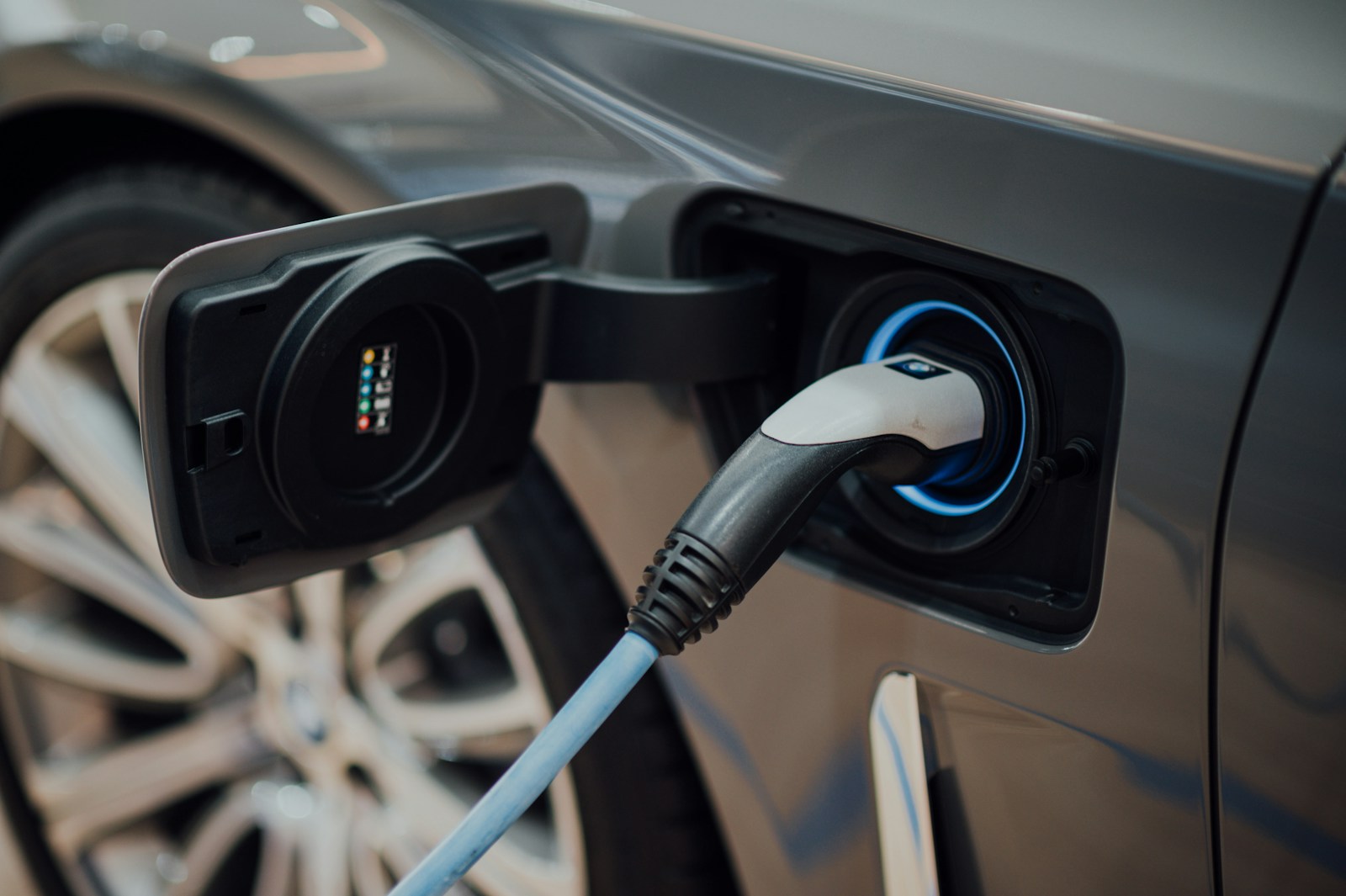
The shift toward electric vehicles (EVs) is more than a trend; it’s a significant move towards sustainable and advanced transportation. With increasing awareness of environmental issues, technological advancements, and shifting consumer preferences, EVs are gaining traction. Here are ten in-depth reasons why an electric vehicle should be your top choice for your next automotive purchase.
1. Environmental Benefits
Opting for an EV translates to a direct reduction in harmful emissions. Unlike traditional vehicles that emit carbon dioxide, nitrogen oxides, and other pollutants, EVs boast zero tailpipe emissions. This significant decrease in pollution contributes to cleaner air, mitigating the effects of climate change and improving overall public health. By choosing an EV, you’re not just making a purchase decision; you’re endorsing a cleaner, greener planet, aligning your transportation needs with the urgent call for environmental stewardship.
Real-World Impact
Consider cities like Oslo, Norway, where EV adoption is high. The city has witnessed a notable improvement in air quality, illustrating how widespread EV use can have a tangible environmental impact. Moreover, with the global push towards renewable energy, many EV owners are choosing to power their vehicles using solar or wind energy, further decreasing their carbon footprint.
2. Reduced Operating Costs
The cost-effectiveness of operating an EV is a compelling reason for consumers. Electricity, as a fuel source, is notably cheaper than gasoline, and when combined with the inherent efficiency of electric motors, the per-mile cost to drive an EV is significantly lower. Moreover, the simplified mechanics of electric vehicles mean fewer moving parts, which translates to reduced wear and tear, lower maintenance requirements, and a longer vehicle lifespan. These factors make EVs not only an environmentally sound choice but also a financially savvy one over their lifespan.
Breakdown of Savings
To illustrate, consider the average American driver who covers about 13,500 miles per year. Switching from a gasoline vehicle to an EV could save around $1,200 annually on fuel costs alone, depending on local electricity rates. Additionally, maintenance savings can average between $500-$700 per year due to fewer oil changes and less wear on brakes.
3. Tax Incentives and Rebates
To accelerate the adoption of EVs, numerous governments worldwide offer enticing financial incentives. These can include tax breaks, rebates, grants, and other benefits, making electric vehicles an economically attractive option. Such incentives are designed to offset the initial purchase price, making EVs competitively priced against conventional vehicles. For consumers, this means the opportunity to invest in advanced technology and environmental sustainability without bearing the full brunt of the cost.
Navigating Incentives
For instance, in the United States, the federal government offers a tax credit of up to $7,500 for new EV purchases. Some states stack additional incentives on top, such as California’s rebate program which can add another $2,000 to the savings. It’s wise for potential buyers to research both federal and state-specific incentives to maximize their financial benefits.
4. Performance Benefits
The driving experience of an EV is uniquely satisfying, characterized by silent operation and instant torque. Electric motors deliver power directly to the wheels, allowing for rapid acceleration and responsive handling. This instant power delivery ensures that EVs can offer exhilarating performance, often surpassing that of traditional vehicles, especially in urban driving conditions where quick acceleration can be a boon.
Performance in Action
Consider the Tesla Model S, which can accelerate from 0 to 60 mph in just under 2 seconds, a feat that rivals many high-performance sports cars. This performance is not just limited to luxury EVs; even more budget-friendly models like the Chevrolet Bolt offer impressive torque and brisk acceleration.
5. Energy Independence
Embracing EVs is a step towards reducing our reliance on fossil fuels, fostering energy independence. The flexibility to charge an EV with various energy sources, including renewable ones, diminishes the geopolitical and economic vulnerabilities associated with oil dependency. For countries and individuals alike, this shift can mean greater security and stability in energy supply, contributing to a more resilient energy infrastructure.
Personal Energy Solutions
Some EV owners are taking energy independence to the next level by installing solar panels at home, thus creating a closed-loop system where their vehicles are charged with self-generated electricity. This not only contributes to energy savings but also ensures a stable power supply, unaffected by fluctuations in fuel markets.
6. Innovation and Technology
EVs are synonymous with cutting-edge technology, often equipped with the latest advancements in driver assistance, connectivity, and infotainment systems. Many EVs are designed with future-forward concepts, offering features like over-the-air updates that keep the vehicle current with the latest software enhancements. Choosing an EV means embracing a vehicle that evolves with time, continually enhancing its value proposition.
Technology at Your Fingertips
Features such as autonomous driving modes, large touchscreen interfaces, and advanced safety systems are becoming standard in many EVs. This integration of technology not only enhances the driving experience but also future-proofs the vehicle, as many updates and improvements can be downloaded and installed remotely.
7. Quiet Operation
The quietness of EVs is not just about reducing noise for the driver and passengers; it’s about contributing to a quieter, less stressful urban environment. The reduction in noise pollution benefits entire communities, creating more peaceful urban living spaces. For drivers, the quiet operation minimizes stress and enhances the driving experience, making every journey more enjoyable.
Community Transformation
Cities with high EV adoption, such as Amsterdam, have noted a reduction in noise pollution, which has improved the quality of life for residents. Quiet neighborhoods not only create a more pleasant living environment but also contribute to reduced stress levels among inhabitants.
8. Convenience of Home Charging
The convenience of waking up to a fully charged vehicle cannot be overstated. Home charging eliminates the need for regular trips to the gas station, offering unparalleled convenience. Additionally, with the ability to schedule charging during off-peak hours, EV owners can take advantage of lower electricity rates, further enhancing the cost savings associated with electric vehicle ownership.
Setting Up Home Charging
Installing a Level 2 home charger can significantly reduce charging time compared to standard electrical outlets. Many electric utilities offer incentives for installing home charging stations, and some EV manufacturers include installation packages with the purchase of a new vehicle. This setup ensures that your EV is ready to go every morning, maximizing convenience and efficiency.
9. Increasing Charging Infrastructure
The expanding network of public charging stations is rapidly dispelling range anxiety, making long-distance travel in an EV more viable than ever. This growing infrastructure is a testament to the commitment of governments and businesses to support sustainable transportation, ensuring that EV owners can enjoy similar levels of convenience and freedom as they would with a gasoline vehicle.
Planning Your Journey
Apps like PlugShare and ChargePoint provide real-time data on the availability and status of charging stations, helping EV owners plan their routes effectively. Many charging stations now offer fast-charging capabilities, reducing charge times to a fraction of what they once were, making long road trips more feasible.
10. Positive Resale Value Trends
As consumer interest in EVs continues to rise, the market is responding with more favorable resale values. Early concerns about EV depreciation are being mitigated by advancements in battery technology, increased demand, and a broader understanding of the long-term benefits of electric vehicles. This trend is making EVs an even more attractive investment, ensuring that owners can expect a competitive resale value in the future.
Understanding Market Dynamics
For example, the Tesla Model 3 has shown strong resale value retention compared to other vehicles in its class. This is partly due to the brand’s strong reputation and the continual software updates that keep the vehicle’s technology current. As battery technology improves and production scales up, the overall depreciation rate for EVs is expected to align more closely with traditional vehicles.
Conclusion
The choice to transition to an electric vehicle is a multifaceted decision that offers a plethora of benefits, from environmental impact and performance to cost savings and technological innovation. As the automotive industry evolves, choosing an EV aligns you with a future where transportation is sustainable, efficient, and exciting. Whether it’s the allure of driving a technologically advanced vehicle or the commitment to a greener planet, an EV is a smart choice for your next vehicle, promising a harmonious blend of innovation, responsibility, and enjoyment.