Aging is a universal process that affects almost all living organisms, from the tiniest microbes to humans and other large mammals. For most species, aging brings about a gradual decline in physical and biological functions, ultimately leading to death. However, in the animal kingdom, there are rare exceptions—species that appear to defy the aging process entirely. These creatures exhibit what scientists call negligible senescence, meaning they show no significant signs of aging, such as decreased reproductive capability or increased risk of disease.
The study of animals that don’t age—or age much more slowly than humans—offers valuable insights into the biology of longevity and could potentially unlock secrets to slowing down or even reversing the aging process. In this article, we’ll explore the fascinating reasons why some animals seem to resist aging, the science behind negligible senescence, and what this means for humans.
What Does It Mean to Not Age?
Before diving into specific examples, it’s important to clarify what it means when we say some animals “don’t age.” In biology, aging—or senescence—refers to the gradual deterioration of an organism’s physiological functions over time. This includes reduced reproductive ability, slower cell regeneration, and increased vulnerability to diseases.
Animals that don’t age in the traditional sense experience negligible senescence. While they are not immortal and can still die from injury, disease, or environmental factors, these animals do not exhibit the typical age-related declines seen in most species. Their risk of death does not increase as they grow older, and their reproductive abilities often remain intact throughout their lives.
Such animals challenge our understanding of aging and raise intriguing questions about the genetic, cellular, and environmental factors that influence lifespan.
Examples of Animals That Don’t Age
Several species in the animal kingdom exhibit negligible senescence, living for decades—or even centuries—without showing signs of aging. Below are some of the most remarkable examples:
1. Tardigrades
Tardigrades, also known as “water bears,” are microscopic creatures famous for their ability to survive extreme conditions, including radiation, freezing temperatures, and even the vacuum of space. While tardigrades do not technically live forever, their ability to enter a state of suspended animation called cryptobiosis allows them to pause biological aging entirely. In this state, their metabolism shuts down, and they can survive for years without food or water.
2. Naked Mole Rats
Naked mole rats are small, burrowing rodents native to East Africa that exhibit extraordinary longevity for their size. Unlike most mammals, naked mole rats show no increase in mortality risk or decline in fertility as they age. They are highly resistant to cancer, oxidative stress, and neurodegeneration, making them a focus of research into aging and disease prevention.
Scientists believe that the naked mole rat’s unique biology, including its efficient DNA repair mechanisms and low levels of cellular damage, contributes to its negligible senescence.
3. Greenland Sharks
The Greenland shark is one of the longest-living vertebrates on the planet, with an estimated lifespan of up to 500 years. These slow-moving sharks inhabit the cold waters of the Arctic and North Atlantic and grow at an extremely slow rate of about 1 centimeter per year. Despite their advanced age, Greenland sharks show no signs of age-related decline, remaining active and reproductively capable well into their centuries-long lives.
4. Immortal Jellyfish (Turritopsis dohrnii)
The “immortal jellyfish” is perhaps the most famous example of an animal that seemingly avoids aging. This jellyfish can revert to its juvenile polyp stage after reaching maturity, effectively restarting its life cycle. By repeating this process indefinitely under the right conditions, the jellyfish achieves biological immortality. However, it is still vulnerable to predators and environmental threats, which can end its life.
5. Lobsters
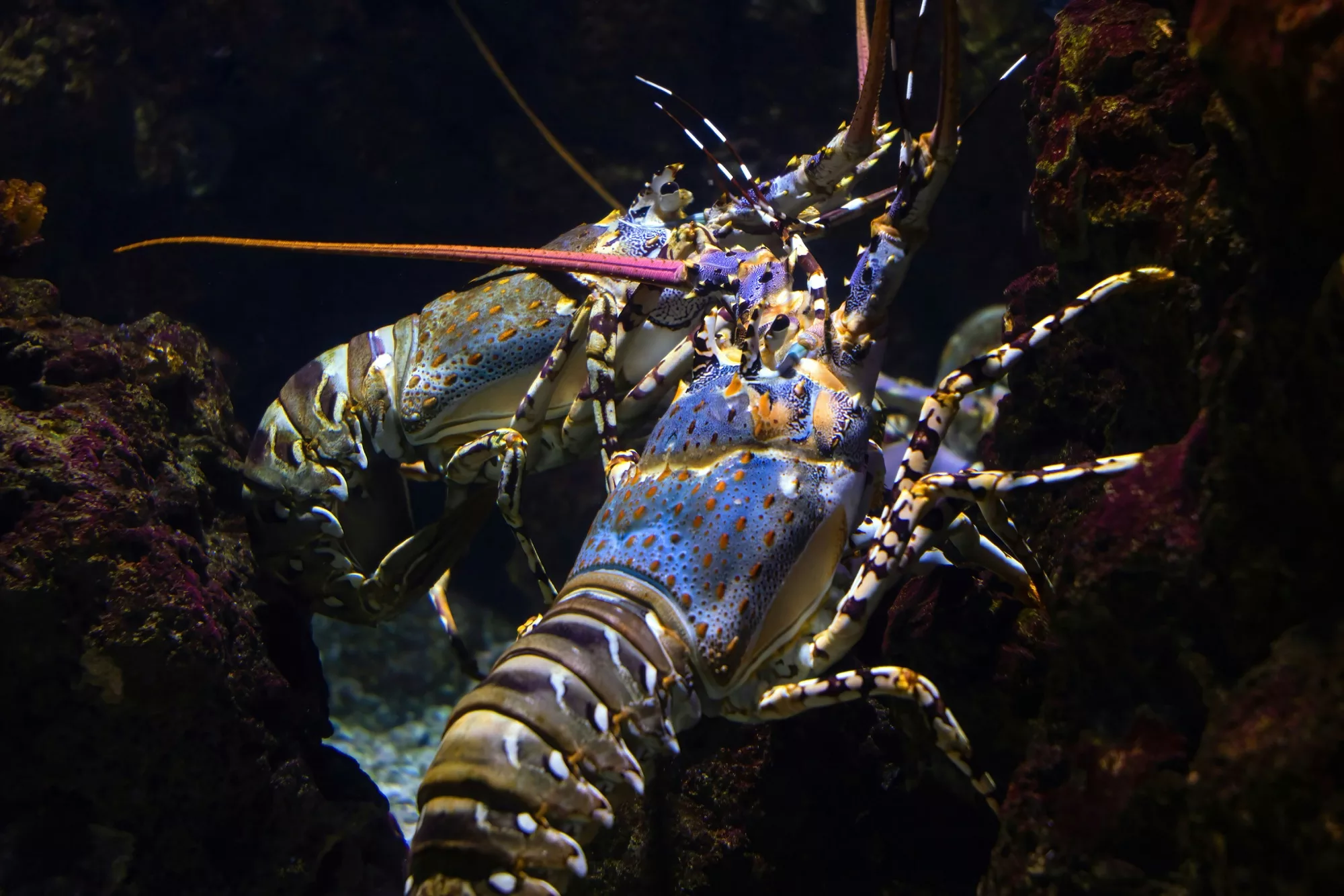
Lobsters are often cited as another example of negligible senescence. These crustaceans continue to grow and reproduce throughout their lives, showing no signs of age-related decline. Lobsters owe their longevity to an enzyme called telomerase, which repairs the protective caps (telomeres) on the ends of their chromosomes. In most animals, telomeres shorten over time, leading to aging, but lobsters’ telomerase activity keeps their cells youthful.
Why Don’t These Animals Age?
The remarkable longevity of these animals can be attributed to a combination of genetic, cellular, and environmental factors. Here are some of the key reasons why they appear to resist aging:
1. DNA Repair and Maintenance
One of the hallmarks of aging is the accumulation of damage to DNA over time. Many animals that exhibit negligible senescence have highly efficient DNA repair mechanisms that prevent the buildup of mutations and maintain cellular integrity. For example, naked mole rats have evolved robust systems for detecting and repairing DNA damage, which may explain their resistance to age-related diseases.
2. Telomerase Activity
Telomeres are the protective caps at the ends of chromosomes that shorten with each cell division, ultimately leading to cellular aging. In most animals, telomerase activity is limited, resulting in gradual telomere shortening. However, animals like lobsters maintain high levels of telomerase throughout their lives, allowing their cells to divide without degrading their telomeres.
3. Resistance to Oxidative Stress
Oxidative stress, caused by the accumulation of harmful molecules called free radicals, is a major driver of aging. Many long-lived animals have evolved mechanisms to minimize oxidative damage. For instance, the naked mole rat’s cells produce lower levels of reactive oxygen species, reducing the wear and tear on its tissues over time.
4. Slow Metabolism
Animals with slow metabolisms tend to live longer, as their bodies generate fewer byproducts that can damage cells. The Greenland shark’s extremely slow growth rate and metabolic activity likely contribute to its impressive lifespan, allowing it to conserve energy and avoid the cellular damage associated with rapid metabolism.
5. Adaptive Traits
Some animals have evolved specific traits that protect them from aging. For example, the ability of the immortal jellyfish to revert to its juvenile stage provides a literal “reset” for its biological clock, while the cryptobiosis of tardigrades allows them to suspend aging entirely under harsh conditions.
What Can We Learn From Animals That Don’t Age?
Studying animals that exhibit negligible senescence offers valuable insights into the biological mechanisms of aging and longevity. These findings have the potential to inform medical research, including the development of treatments for age-related diseases and strategies to extend human lifespan.
1. Advancing Anti-Aging Research
Understanding how certain animals maintain cellular health and resist age-related decline could lead to breakthroughs in anti-aging therapies. For example, studying telomerase activity in lobsters and DNA repair in naked mole rats may provide clues for developing interventions that slow down or reverse cellular aging in humans.
2. Preventing Age-Related Diseases
Many of the mechanisms that contribute to negligible senescence also protect animals from diseases like cancer, neurodegeneration, and cardiovascular issues. By identifying and replicating these protective mechanisms, scientists could develop treatments to prevent or mitigate similar diseases in humans.
3. Understanding Evolutionary Trade-Offs
The study of long-lived animals highlights the evolutionary trade-offs that shape lifespan. For example, while negligible senescence may confer advantages in stable environments, it is less common in species with high predation risks, where rapid reproduction is prioritized over longevity. These insights provide a broader understanding of how aging evolves across species.
Can Humans Ever Stop Aging?
While the concept of negligible senescence in animals is fascinating, it’s important to remember that humans are fundamentally different from the species mentioned above. Our complex physiology, high metabolic rate, and long lifespans already set us apart from most other animals. However, the lessons learned from studying long-lived species could help us mitigate the effects of aging and improve healthspan—the portion of life spent in good health.
Advances in genetic engineering, regenerative medicine, and biotechnology are bringing us closer to understanding and potentially influencing the aging process. While true biological immortality may remain out of reach, the principles underlying negligible senescence offer hope for extending human health and longevity.
Conclusion
Animals that don’t age, or age at an exceptionally slow rate, challenge our understanding of biology and offer a glimpse into the extraordinary diversity of life on Earth. From the DNA-repairing abilities of naked mole rats to the cellular reset of the immortal jellyfish, these creatures demonstrate that aging is not an inevitable fate for all living beings.
By studying these remarkable species, scientists are uncovering the secrets of longevity and opening new doors for medical and biological research. While humans may never achieve the ageless existence of some animals, the insights gained from these studies could revolutionize our approach to aging and help us lead longer, healthier lives.