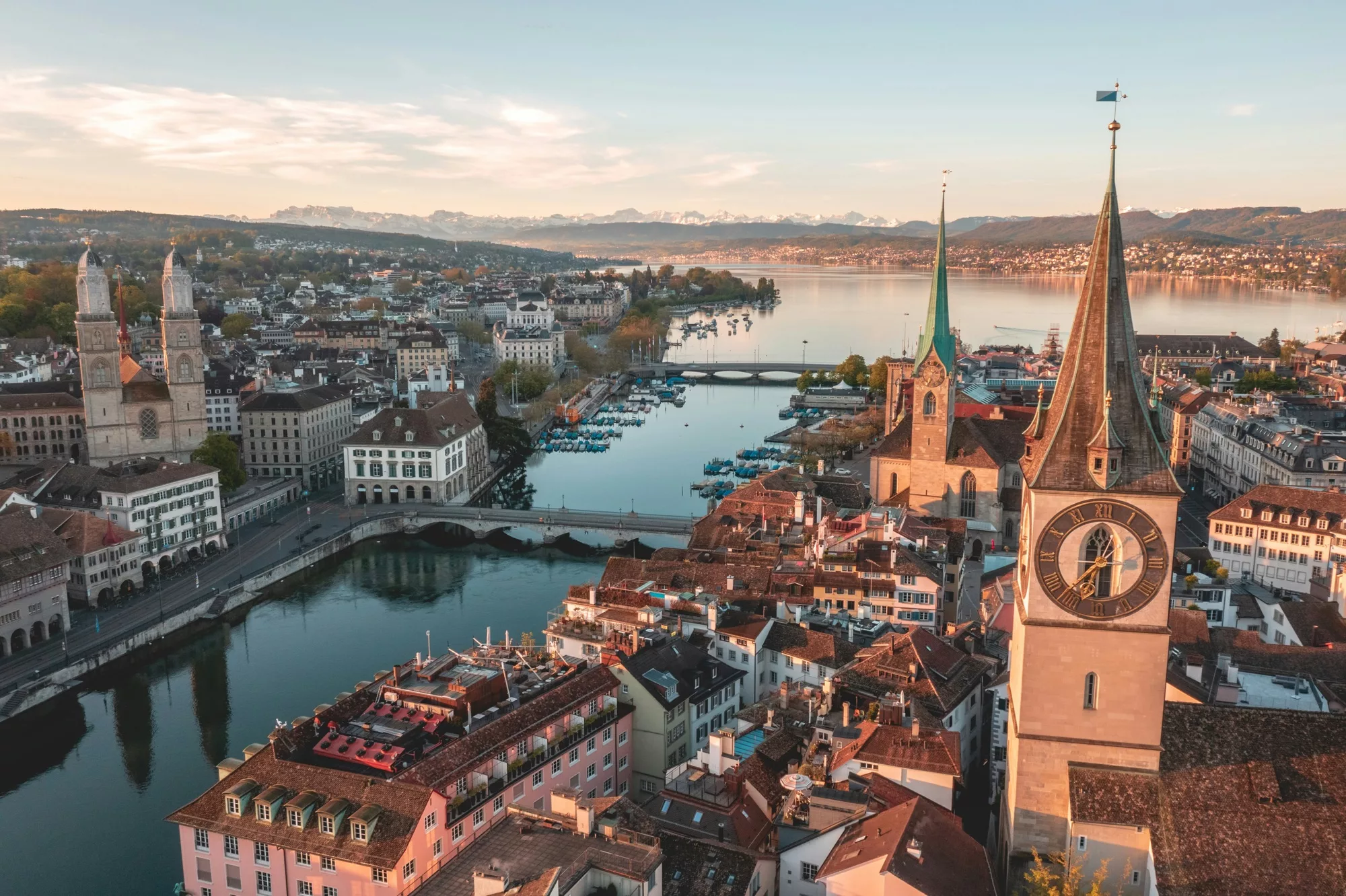
Few countries are as closely tied to the European Union as Switzerland—and yet remain firmly outside it. Nestled in the heart of Europe, surrounded by EU member states, and deeply enmeshed in the continent’s economy, Switzerland looks at first glance like the perfect candidate for EU membership. And yet, it is not, and has repeatedly chosen to stay out. The story of why Switzerland is not in the European Union is one of history, identity, economics, and democracy. It is not about exclusion—Brussels has never shut the door—but about choice. For decades, the Swiss people have voted again and again to keep their distance, preferring a unique model of bilateral integration without full membership. To understand why, we need to look at Switzerland’s traditions, its politics, and its uneasy but enduring relationship with the European project.
A Historical Background: Switzerland and European Integration
A Neutral Legacy
Switzerland has long defined itself through neutrality. Since the 19th century, it has avoided entanglement in major European conflicts, including both World Wars. Its neutrality became not only a foreign policy stance but also a core part of national identity. When the European Economic Community (the EU’s predecessor) formed in the 1950s, Switzerland declined to join, wary that integration might compromise its sovereignty and neutrality. Instead, it pursued trade links while staying politically independent.
The European Free Trade Association (EFTA)
In 1960, Switzerland co-founded the European Free Trade Association (EFTA), along with Austria, Norway, Portugal, Sweden, and the UK. EFTA was designed as a looser alternative to the European Economic Community, focusing on free trade without political integration. As most of its EFTA partners eventually joined the EU, Switzerland found itself increasingly alone, but still unwilling to make the leap into full membership.
The Referendums: Swiss Direct Democracy in Action
The 1992 EEA Vote
The pivotal moment came in 1992, when Switzerland held a referendum on joining the European Economic Area (EEA), which would have tied it closely to the EU single market. The result shocked Europe: 50.3% of Swiss voters rejected the proposal, with turnout over 78%. The vote exposed deep divisions—urban areas like Zurich and Geneva voted yes, while rural and conservative regions voted no. Critics feared that joining the EEA would erode Swiss sovereignty, harm farmers, and weaken direct democracy. From that point on, EU membership was effectively off the table. Successive referendums reinforced the Swiss preference for bilateral agreements over integration.
Ongoing Popular Skepticism
In the decades since, Swiss voters have rejected multiple initiatives that might have paved the way toward closer ties. Public opinion consistently shows a majority opposed to full EU membership. For many Swiss, the advantages of independence outweigh the benefits of joining.
Economic Ties Without Membership
Bilateral Agreements
Despite rejecting membership, Switzerland is deeply tied to the EU through a complex web of over 120 bilateral treaties. These agreements give Swiss businesses access to the single market in sectors like manufacturing, research, and transport, while Switzerland contributes financially to certain EU programs. Swiss banks, pharmaceutical companies, and exporters rely heavily on the EU, which takes over half of Swiss exports. Yet Switzerland carefully avoids full political obligations.
Schengen and Free Movement
Switzerland is part of the Schengen Area, allowing border-free travel, and it also allows free movement of people with the EU. This has been controversial domestically, with some Swiss concerned about immigration, but overall the arrangement has endured. In effect, Switzerland enjoys many of the benefits of EU membership without formally being in the Union.
Why Switzerland Stays Out
1. Sovereignty and Neutrality
At the heart of Swiss resistance is the desire to preserve sovereignty. EU membership would mean ceding decision-making power to Brussels in areas ranging from trade to law. For a country proud of its independence and neutrality, this is politically unacceptable.
2. Direct Democracy
Switzerland’s unique system of direct democracy means voters have a powerful voice in shaping policy. Joining the EU would reduce this autonomy, as EU laws apply uniformly across members. Many Swiss fear this would undermine their cherished system of self-rule.
3. Economic Pragmatism
Switzerland already enjoys strong trade ties with the EU through bilateral agreements. Many see full membership as offering limited additional benefits while imposing heavy costs—budget contributions, regulatory alignment, and political obligations.
4. Cultural Independence
Switzerland is famously diverse, with four official languages and a mosaic of regional identities. Many Swiss see EU membership as a threat to this cultural independence, worried that Brussels’ bureaucracy would dilute their traditions.
Tensions in the Relationship
The Institutional Framework Debate
In recent years, the EU has pushed for Switzerland to adopt a single institutional framework agreement to simplify their web of treaties and ensure consistent rules. Negotiations dragged on for years before collapsing in 2021, when Switzerland walked away. This left relations in limbo. The EU signaled frustration, cutting off Switzerland from some research programs like Horizon Europe. The standoff revealed the fragility of Switzerland’s special status.
Immigration and Populism
Immigration remains one of the most divisive issues. In 2014, Swiss voters narrowly approved a referendum to restrict EU migration, clashing with free movement rules. The government eventually compromised to avoid breaking agreements with the EU, but the incident highlighted tensions between domestic politics and European obligations.
Could Switzerland Ever Join the EU?
The Legal Possibility
Legally, Switzerland could apply for membership under Article 49 of the Treaty on European Union. Its democratic system, strong economy, and human rights record would make it a qualified candidate.
Political Reality
In practice, membership remains highly unlikely. Swiss public opinion is firmly against it, and the EU is wary of endless exceptions and opt-outs. Unless a major crisis changes the equation, Switzerland will likely continue its path of close cooperation without integration.
The Swiss Model: A Unique Middle Ground
Switzerland represents a third way between full membership and isolation. Through bilateral agreements, it enjoys deep access to EU markets and institutions while retaining independence. This model has been admired and criticized in equal measure: admired for its pragmatism, criticized for its complexity. For the EU, Switzerland is both a partner and a challenge. For Switzerland, the relationship balances economic necessity with political autonomy.
The Future of Swiss-EU Relations
Navigating Complexity
The complex nature of Swiss-EU relations is not set to simplify any time soon. Switzerland, with its intricate treaties, needs to constantly negotiate and renegotiate terms to maintain its access to EU markets. This requires diplomatic finesse and a keen understanding of both domestic and EU politics.
Potential Reforms
There are ongoing discussions within Switzerland about how to streamline its approach to the EU. Some suggest renegotiating the bilateral treaties into a more cohesive framework, potentially avoiding the need for constant political maneuvering. However, this remains a contentious issue, with significant political and public debate needed before any consensus is reached.
Impact of External Factors
External factors, such as global economic shifts or changes in EU policy, could also impact Swiss-EU relations. For example, any major economic crises could prompt re-evaluations of existing agreements, while new EU regulations might require Switzerland to adapt its own policies to maintain market access.
Practical Tips for Businesses and Individuals
For Businesses
- Stay Informed: Businesses should keep abreast of changes in Swiss-EU relations that could impact trade, tariffs, or market access.
- Diversify Markets: While the EU is a significant market, diversifying trade partners can provide stability against potential disruptions in Swiss-EU agreements.
- Engage in Dialogue: Participate in industry associations that can represent business interests in political discussions regarding Swiss-EU relations.
For Individuals
- Understand the Benefits: Recognize the advantages of Switzerland’s current position, such as access to EU markets and visa-free travel within Schengen.
- Monitor Immigration Policies: As immigration remains a hot topic, individuals considering Switzerland for work or residence should stay informed about any policy changes.
- Participate in Democratic Processes: Swiss residents should engage in direct democracy by voting in referendums that shape the country’s stance on the EU.
Common Misconceptions About Swiss-EU Relations
- “Switzerland is isolated.” – While not a member of the EU, Switzerland is far from isolated, with extensive economic ties and partnerships.
- “The EU doesn’t want Switzerland.” – The EU has always been open to Swiss membership, but it respects the Swiss choice to maintain independence.
- “Switzerland benefits without contributing.” – Switzerland contributes financially to various EU programs and aligns with many EU regulations to maintain access.
Conclusion: A Delicate Balance
Switzerland is not in the European Union because its people have consistently chosen not to be. Through referendums and public debate, they have prioritized sovereignty, neutrality, and direct democracy over deeper integration. At the same time, Switzerland cannot escape Europe. Its economy, geography, and culture tie it inextricably to the EU. The result is a unique hybrid relationship—deeply connected yet deliberately separate. Switzerland’s path shows that being in the heart of Europe does not mean being in the European Union. For the Swiss, independence is not just a policy but an identity—and one they are unwilling to trade for a seat in Brussels.