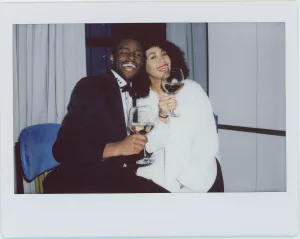
For many older adults, the prospect of dating or building new relationships can be daunting. However, with the right approach and mindset, navigating these challenges can be a rewarding experience. Embracing self-discovery and personal growth is a key aspect for older adults entering the dating scene. Take the time to reflect on past relationships and experiences, and identify what you truly want and need in a partner. This self-awareness will not only help you make better choices but also build your confidence. It’s a time for introspection and understanding your own desires and preferences, which ultimately leads to a more fulfilling and authentic connection with a potential partner.
Self-Discovery: A Journey, Not a Destination
Taking the first step towards self-discovery can feel intimidating, but it’s crucial for personal growth. Start by journaling your thoughts about past relationships. What worked? What didn’t? Use these reflections to form a clearer picture of your ideal relationship. Consider what aspects of a partner’s personality or lifestyle are non-negotiable for you.
Actionable Tips:
- Journal Regularly: Spend 10-15 minutes each day jotting down your thoughts about past relationship experiences.
- Engage in New Hobbies: Trying out new activities can help you learn more about yourself and meet potential partners who share similar interests.
Overcoming Social Stigma and Stereotypes
Society often imposes age-related stereotypes and stigmas when it comes to dating among older adults. It’s essential to overcome these societal barriers and embrace the fact that love and companionship have no age limit. Surround yourself with supportive individuals who encourage you to pursue meaningful relationships at any age. By challenging these stereotypes, you empower yourself to seek and nurture relationships based on genuine compatibility and shared values rather than arbitrary age-related expectations.
Personal Insights:
I remember a client, Mary, who was in her late 60s and hesitant about dating. Her biggest concern was what others might think. After joining a local book club, she met Frank, who shared her love for mystery novels. They bonded over shared interests and found companionship without worrying about societal judgments.
Embracing Technology and Online Dating
Technology has revolutionized the dating landscape, providing older adults with various platforms to connect with potential partners. Embrace online dating as a tool to expand your social circle and meet like-minded individuals. Take the time to create a compelling profile that reflects your true self and interests. The digital age offers unprecedented opportunities to connect with people who may share your passions and values, making it easier to find a compatible partner who aligns with your lifestyle and aspirations.
Online Dating Tips:
- Craft an Authentic Profile: Highlight your interests, hobbies, and what you’re looking for in a partner. Authenticity attracts genuine connections.
- Choose the Right Platform: Research different dating sites and apps to find ones that cater to your age group and interests.
- Stay Safe Online: Trust your instincts and take your time getting to know someone before meeting in person. Share your plans with a friend or family member.
Communicate Openly and Honestly
Effective communication is crucial in any relationship, especially for older adults navigating the dating world. Be open and honest about your feelings, expectations, and boundaries from the beginning. Clear communication can help build trust and mutual understanding, laying a strong foundation for a healthy relationship. By fostering open dialogue and transparency, you establish a solid framework for building a relationship based on respect, empathy, and shared objectives.
Common Mistakes to Avoid:
- Assuming Understanding: Don’t assume your partner knows what you’re thinking. Discuss your thoughts and feelings openly.
- Avoiding Difficult Conversations: Address issues as they arise to prevent misunderstandings from escalating.
Seeking Support and Professional Guidance
Seeking support from friends, family, or professional counselors can provide valuable insights and guidance as you navigate the challenges of dating in later stages of life. Don’t hesitate to reach out for help when needed, as external perspectives can offer clarity and support in making important relationship decisions. Having a strong support system ensures that you have a network of individuals who understand your journey and can offer objective advice and encouragement when facing uncertainties or obstacles in your pursuit of meaningful connections.
Building a Supportive Network
Creating a network of supportive friends and family is essential. They can provide encouragement and advice as you navigate the dating scene. Consider joining groups or clubs that align with your interests. These environments can offer a safe space to meet new people and build friendships that may evolve into deeper relationships.
Steps to Build Your Network:
- Join Community Groups: Whether it’s a gardening club or a walking group, being part of a community can open new social avenues.
- Attend Social Events: Take advantage of local events, such as lectures or art exhibits, to meet people with similar interests.
Real-Life Case Studies
Case Study 1: Finding Love in Unexpected Places
John, a 70-year-old widower, wasn’t actively looking for a relationship when he met Susan at a local farmers’ market. They struck up a conversation over their shared interest in organic farming and exchanged contact information. Over time, their friendship blossomed into romance. John’s story underscores the importance of keeping an open mind and being willing to explore new connections in everyday settings.
Case Study 2: The Role of Support Groups
Linda, a 65-year-old divorcee, found solace in a support group for older adults experiencing loneliness. Through the group, she gained confidence and met Tom, a fellow member who became a close friend. Over time, their friendship deepened into a loving relationship. Support groups can be instrumental in providing the emotional support needed to pursue new relationships.
Addressing the Fear of Rejection
Fear of rejection is a common concern for many older adults entering the dating scene. It’s important to remember that rejection is a natural part of dating and doesn’t reflect your worth. Instead, view it as a learning opportunity and a chance to refine your understanding of what you want in a partner.
Tips to Overcome Fear:
- Focus on Positivity: Keep a list of your positive qualities and achievements to boost your self-esteem.
- Practice Resilience: Remember that every “no” brings you closer to a “yes” with the right person.
Balancing Independence and Partnership
As an older adult, you likely have established routines and a strong sense of independence. Balancing this with a new partnership can be challenging but rewarding. It’s crucial to communicate your need for personal space and respect your partner’s independence as well.
Strategies for Balance:
- Set Boundaries: Discuss and agree upon boundaries that respect both partners’ need for personal time.
- Plan Together: Find activities you both enjoy to foster companionship while maintaining individuality.
Embracing Change and Adaptation
Life is full of changes, and dating in later years is no exception. Embracing change and being adaptable can lead to fulfilling relationships. Keep an open mind to new experiences and be willing to adapt your expectations as you get to know your partner better.
Ways to Embrace Change:
- Stay Open-Minded: Be willing to try new things, whether it’s a new hobby or a different type of social event.
- Be Patient: Building a meaningful relationship takes time and patience. Allow the connection to develop naturally.
Exploring Intergenerational Relationships
Intergenerational relationships can offer unique benefits and challenges. They provide opportunities to learn from different perspectives and life experiences. However, they may also require navigating societal stereotypes and differing life stages.
Insights on Intergenerational Dating:
- Focus on Common Interests: Shared hobbies and values are more important than age.
- Communicate about Future Plans: Discuss long-term goals and ensure alignment on important issues like retirement or family commitments.
By embracing these strategies and maintaining an open mind, older adults can successfully navigate the dating scene, forming meaningful and rewarding relationships that enrich their lives. Whether through self-reflection, technology, or supportive networks, the potential for love and companionship is boundless at any age.