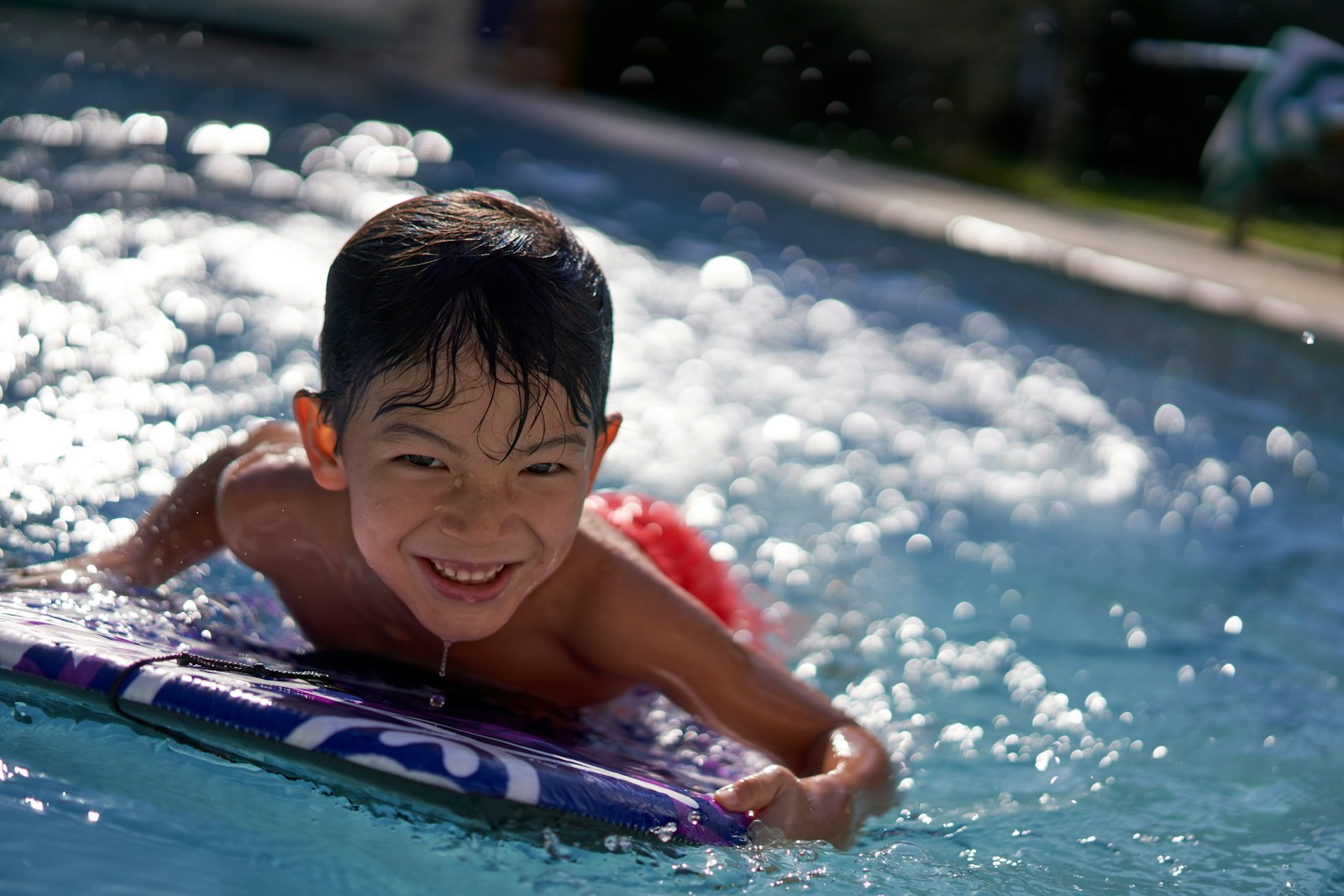
Many children experience fear when it comes to swimming, and this fear can stem from a variety of reasons. Some common factors that contribute to a child’s fear of swimming include a lack of exposure to water at an early age, a traumatic experience in the water, or simply feeling overwhelmed by the unfamiliar environment. Understanding these fears is the first step in addressing them effectively. It’s essential for parents to recognize that each child’s fear is valid and may require a different approach to help them overcome it.
Understanding the Roots of Fear
Lack of Early Exposure
Children who haven’t been introduced to water environments during their formative years may find swimming intimidating. The unfamiliarity can breed anxiety. Consider a child who grew up in a landlocked area with limited access to swimming pools or natural bodies of water. Without early exposure, the sights, sounds, and sensations of swimming can be overwhelming.
Traumatic Experiences
Sometimes, a single negative incident can create a lasting fear. A slip underwater, a choking episode, or witnessing someone else’s distress in water can imprint fear in a young mind. It’s similar to how adults might develop a fear of flying after experiencing severe turbulence. Children’s minds are particularly impressionable, and they can magnify these fears if not addressed promptly.
Sensory Overload
Swimming involves multiple sensory inputs: the coldness of water, loud noises in a pool area, and the lack of solid ground beneath. For some children, especially those with sensory processing issues, this can be a significant barrier. Understanding this aspect can help tailor approaches that accommodate their sensory needs.
Building Trust and Confidence
Creating a Safe Environment
One of the first steps in helping your child overcome their fear of swimming is to build their trust and confidence in the water. This can be done by starting with small steps, such as introducing them to water in a safe and controlled environment, like a shallow pool or bathtub. Imagine turning bathtime into a fun, splash-filled adventure where they can experiment with water without fear.
Positive Reinforcement
Use positive reinforcement to encourage small victories. Celebrate each step, no matter how minor it seems. For example, if your child manages to dip their toes in the water for the first time without hesitation, acknowledge this achievement with praise and perhaps a small reward. Over time, these small successes build a foundation of confidence.
Role Modeling
Children often emulate the adults they trust. If they see you enjoying swimming and handling water confidently, they are more likely to follow suit. Try sharing stories of your own experiences with swimming, highlighting any fears you overcame and how you managed them.
Gradual Exposure and Desensitization
Step-by-Step Approach
Gradual exposure and desensitization are key strategies in helping your child overcome their fear of swimming. This involves slowly introducing them to swimming activities, starting with activities they are comfortable with and gradually increasing the difficulty level. Begin with activities that don’t require full immersion, like playing with water toys at the poolside or floating on a noodle with your support.
Use of Visual Aids
Visual aids can be incredibly effective. Picture books about swimming, videos of children enjoying water activities, or even cartoons that feature swimming adventures can help demystify the experience. These resources present swimming in a fun, relatable way and can reduce anxiety by setting positive expectations.
Seeking Professional Help
Swim Instructors Specializing in Fearful Swimmers
If your child’s fear of swimming is severe or persistent, it may be beneficial to seek the help of a professional, such as a child psychologist or swim instructor specializing in working with fearful swimmers. These experts can provide tailored strategies and support to help your child overcome their fear in a safe and effective manner. For instance, swim schools often have instructors trained to work with apprehensive swimmers, using specialized techniques like games and songs to make the water feel less threatening.
Psychological Support
In some cases, a child psychologist might be needed, particularly if the fear stems from a deeper psychological issue or trauma. Cognitive-behavioral therapy (CBT) can help children reframe their thoughts and reduce anxiety. A therapist can work with your child to develop coping mechanisms that they can use in and out of the water.
Encouraging a Positive Attitude
Emphasizing Fun Over Fear
Encouraging a positive attitude and mindset towards swimming can also play a crucial role in helping your child overcome their fear. Emphasize the fun and enjoyment of swimming, rather than focusing on the fear or anxiety associated with it. Organize playdates with friends who enjoy swimming, turning it into a social activity rather than a daunting task.
Celebrating Progress
Celebrate their progress and accomplishments, and reinforce the idea that swimming can be a rewarding and enjoyable activity that they can engage in comfortably and confidently. Keep a progress chart or a diary to track milestones and achievements, which not only motivates your child but also gives them a tangible measure of their journey.
Additional Strategies
Introducing Water Safety Early
Understanding water safety can empower children and reduce fear. Teaching your child basic safety rules not only keeps them safe but also gives them a sense of control. Simple instructions like how to float on their back or what to do if they feel overwhelmed can be lifesaving skills and confidence boosters.
Engaging in Parent-Child Swim Lessons
Participating in swim lessons together can be a great bonding experience. Parent-child classes are designed to build trust and comfort in the water, providing your child with the security of knowing you are right there with them. These classes often include playful activities that break down the fear barrier while teaching basic swimming skills.
Using Toys and Games
Incorporate toys and games to make the water environment seem less intimidating. Floating toys, water balls, and diving rings can transform the pool into a playground. Games like “Simon Says” with water-based commands or treasure hunts can distract from the fear and focus on the fun.
Real-Life Case Studies
Case Study: Overcoming Fear through Consistent Exposure
Take the example of Emily, a 7-year-old who was terrified of swimming after a near-drowning incident. Her parents started with weekly visits to a pool where Emily was allowed just to observe. Gradually, she was encouraged to sit on the steps and splash water. Within three months, with the help of a patient swim instructor, Emily was swimming confidently.
Case Study: Success with Professional Intervention
Then there’s Jake, who developed a water phobia because of a sensory processing disorder. His parents enrolled him in a specialized swim program that included sensory-friendly equipment and a quiet, warm pool. Combined with sessions with an occupational therapist, Jake’s fear diminished significantly, and he now looks forward to swimming lessons.
Common Mistakes to Avoid
Pushing Too Hard, Too Fast
One of the most common mistakes parents make is pushing their child too hard or too quickly. This can reinforce the fear rather than alleviate it. Always go at your child’s pace and be patient. If they resist, take a step back and try again another day.
Comparing with Other Children
Avoid comparing your child’s progress with others. Each child is unique, and what works for one may not work for another. Encourage your child by focusing on their individual journey rather than external benchmarks.
The Journey to Confidence in the Water
Helping your child overcome their fear of swimming is a journey that requires patience, understanding, and the right strategies. By gradually building their confidence, seeking professional assistance when necessary, and maintaining a positive, supportive environment, you can transform swimming from a source of anxiety into a joyful activity. Remember, the key is consistency, encouragement, and the celebration of small victories along the way.