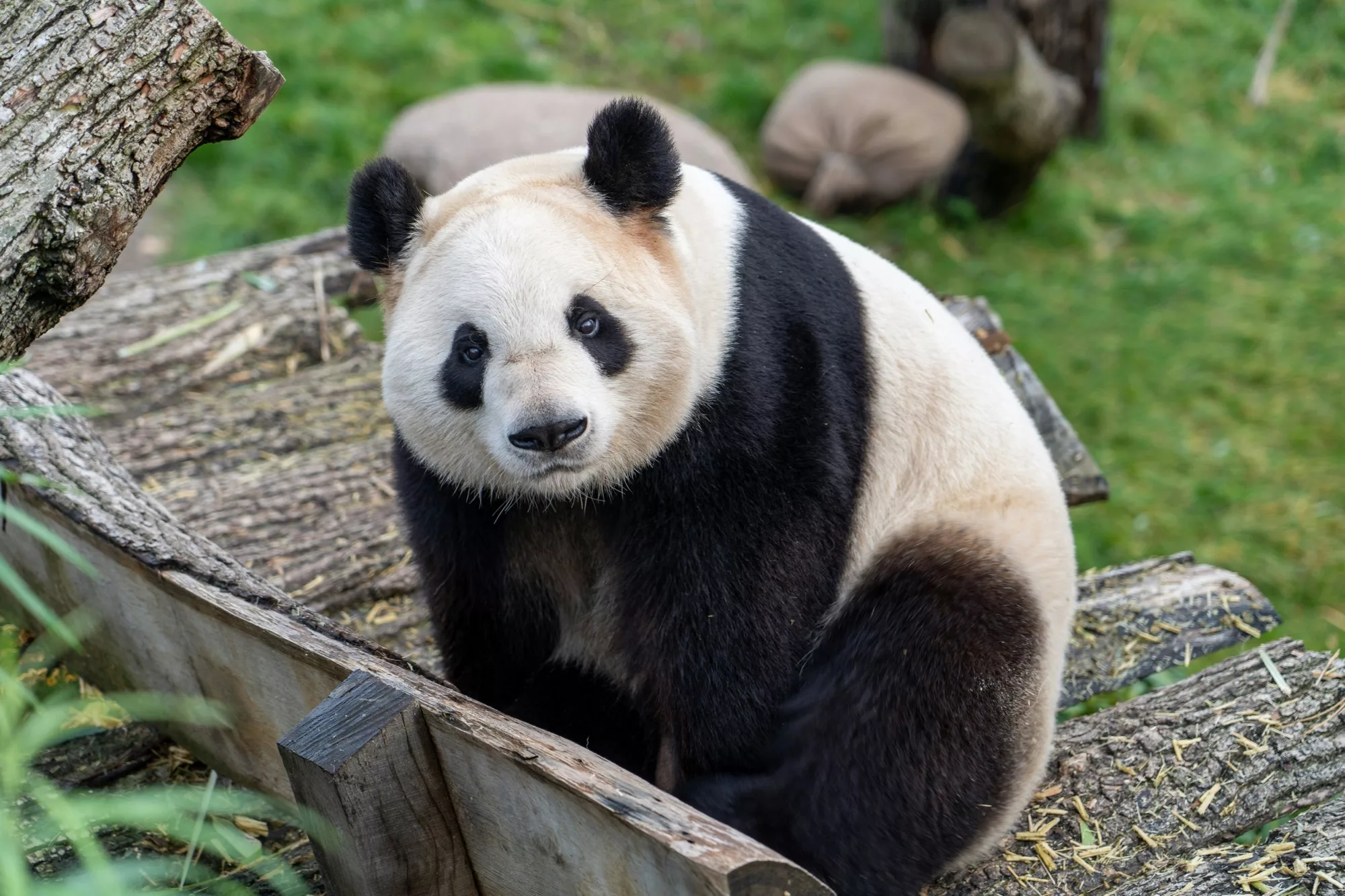
Giant pandas are among the most adored and fascinating animals on Earth. Known for their striking black-and-white coats and endearing behavior, these animals have become global symbols of conservation and the fight to protect endangered species. However, beyond their cuddly appearance lies a wealth of unique adaptations, behaviors, and ecological significance that make them truly extraordinary.
In this in-depth exploration, we dive into 16 incredible facts about giant pandas, expanding on their biology, lifestyle, and the challenges they face. By the end, you’ll have a newfound appreciation for these remarkable creatures and the efforts being made to ensure their survival.
1. Giant Pandas Are Bears, but Not Typical Ones
Giant pandas belong to the bear family (Ursidae), but they defy many of the characteristics typically associated with bears. Most bears are omnivores with a diet that includes both plants and meat. In contrast, pandas are almost exclusively herbivorous, with bamboo comprising over 99% of their diet. Despite this herbivorous behavior, pandas retain the digestive system of a carnivore, including a short gut and powerful stomach acids better suited for digesting meat.
Because bamboo is low in nutrients, pandas must consume enormous quantities of it—up to 40 pounds per day—to meet their energy needs. This dietary specialization is a double-edged sword: while it allows them to thrive in bamboo forests, it also makes them highly vulnerable to habitat loss. If bamboo becomes scarce, their survival is directly threatened, highlighting their delicate ecological balance.
2. Their Black-and-White Fur Is a Camouflage Masterpiece
The black-and-white coloration of giant pandas is one of their most defining features, and it serves multiple purposes. The white parts of their fur help them blend into snowy environments, while the black patches allow them to disappear into the shadows of dense bamboo forests. This dual-purpose camouflage is essential for avoiding predators in their natural habitat, including snow leopards and jackals.
Beyond camouflage, their black eye patches may play a role in communication. Researchers theorize that the size and shape of these patches could help pandas recognize one another or signal aggression to potential rivals. The unique pattern of each panda’s fur also serves as an identifier, much like fingerprints in humans, allowing researchers to distinguish between individuals in the wild.
Their thick fur is not just for camouflage but also for insulation. Living in mountainous regions with cold temperatures, pandas rely on their dense coat to keep warm, showcasing an evolutionary adaptation perfectly suited to their environment.
3. Pandas Have a Unique “Thumb” for Gripping Bamboo
One of the most fascinating features of giant pandas is their pseudo-thumb, a modified wrist bone that acts like an opposable thumb. This evolutionary adaptation allows pandas to grasp bamboo stems with remarkable precision, making it easier to strip leaves and break the tough shoots into manageable pieces.
The development of this pseudo-thumb highlights how pandas have evolved specifically to thrive on a bamboo-based diet. It is an excellent example of natural selection, as this adaptation ensures that pandas can efficiently handle their primary food source. Without this specialized feature, pandas would struggle to consume the vast quantities of bamboo needed to sustain themselves.
4. They Spend Most of Their Day Eating
For giant pandas, eating is not just a necessity—it’s practically a full-time job. These animals spend 10 to 16 hours a day consuming bamboo to meet their energy needs. This constant feeding is required because bamboo is low in nutrients, and their carnivore-like digestive system is inefficient at breaking down plant material.
Unlike other bears that store fat for hibernation, pandas remain active year-round. Their dependency on bamboo means they must live in areas where this resource is abundant and available year-round. This diet has shaped their behavior, making them relatively sedentary animals that conserve energy for feeding.
The bamboo they eat isn’t fully digested; much of it passes through their system as waste. This inefficiency underscores the extreme specialization of their diet, which has made them one of nature’s most unique herbivores.
5. Baby Pandas Are Shockingly Tiny
Newborn giant pandas are incredibly small, weighing only 3 to 5 ounces at birth—about the size of a stick of butter. This makes them one of the smallest newborns relative to their mother’s size in the animal kingdom. By comparison, an adult female panda can weigh up to 250 pounds.
When they are born, panda cubs are blind, hairless, and completely dependent on their mothers for warmth, nutrition, and protection. Their extreme vulnerability is thought to be a result of pandas’ short gestation period, which lasts only 3 to 5 months. Scientists believe this shortened pregnancy helps conserve the mother’s energy, which is limited due to her bamboo-heavy diet.
Despite their tiny start, panda cubs grow rapidly, thanks to their mother’s milk, which is rich in fat and protein. By the time they are six months old, they begin to eat bamboo, and within a year, they can weigh up to 70 pounds.
6. Pandas Communicate Through Scent and Vocalizations
Although pandas are solitary animals, they have developed sophisticated methods of communication to interact with one another when necessary. One of their primary communication tools is scent marking. Using scent glands located under their tails, pandas leave chemical signals on trees, rocks, and the ground. These scent marks convey information about their territory, reproductive status, and identity.
In addition to scent marking, pandas use vocalizations to communicate. They produce a wide range of sounds, including bleats, growls, honks, and barks. These vocalizations are particularly important during the mating season, helping pandas find potential mates and establish dominance.
7. Their Teeth and Jaws Are Built for Bamboo
The giant panda’s teeth and jaws are perfectly adapted to their bamboo-centric diet. Their molars are larger and flatter than those of other bears, allowing them to grind tough bamboo stalks into digestible pieces.
Pandas also have exceptionally strong jaw muscles, which give them one of the most powerful bites among mammals. This bite strength enables them to crack open the thick outer layers of bamboo to access the softer, more nutritious inner tissues. This specialized dental structure highlights their complete reliance on bamboo as a food source.
8. Pandas Are Solitary Creatures
Giant pandas are known for their solitary lifestyle. Unlike social animals that live in groups, pandas prefer to roam alone, only coming together during the breeding season or when a mother is raising her cubs.
Each panda establishes a territory, which they mark with scent to signal their presence and deter other pandas from encroaching. This solitary behavior minimizes competition for resources, such as bamboo, but it also makes reproduction more challenging, as pandas must actively seek out mates during their short breeding window.
9. Giant Pandas Are Excellent Climbers
Despite their seemingly clumsy appearance, giant pandas are surprisingly skilled climbers. Cubs start climbing trees as young as six months old, using this skill to escape predators or explore their surroundings.
Adult pandas are equally agile, often climbing trees to avoid danger or to rest. Their strong limbs and sharp claws allow them to grip tree trunks and branches securely, showcasing their adaptability and physical strength.
10. They Have a Slow Reproductive Rate
Reproduction is one of the greatest challenges for giant panda populations. Female pandas are only fertile for 2 to 3 days each year, creating a very narrow window for successful mating.
This slow reproductive rate is compounded by their solitary nature and shrinking habitats, which make it difficult for pandas to find mates in the wild. These factors have contributed to their historically low population numbers, necessitating intensive conservation efforts to boost reproduction through captive breeding programs.
11. Pandas Can Swim
In addition to their climbing skills, pandas are capable swimmers. Their strong limbs allow them to paddle efficiently through rivers and lakes, a useful ability for navigating the mountainous terrain of their habitats.
Swimming helps pandas access new territories or escape from threats, further showcasing their versatility and adaptability.
12. Bamboo Isn’t Their Only Food
While bamboo makes up the majority of a panda’s diet, they occasionally eat other foods such as fruits, vegetables, and even small animals. This omnivorous tendency reflects their evolutionary roots, as their ancestors were carnivores.
In captivity, pandas are often fed supplemental foods like apples, carrots, and specially formulated biscuits to ensure they receive adequate nutrition.
13. They Have a Long History as a Conservation Symbol
The giant panda became a global symbol of conservation when the World Wildlife Fund (WWF) adopted it as its logo in 1961. This iconic image has helped raise awareness about the plight of endangered species and the importance of habitat preservation.
Today, pandas remain a flagship species for conservation, inspiring international efforts to protect wildlife and restore ecosystems.
14. Their Habitat Is Shrinking
Giant pandas are native to the bamboo forests of China, primarily in the Sichuan, Shaanxi, and Gansu provinces. However, human activities such as deforestation and infrastructure development have significantly reduced their habitat, isolating panda populations and limiting their access to food and mates.
Conservation initiatives focus on creating wildlife corridors and protected reserves to reconnect fragmented habitats and support panda populations.
15. Giant Pandas Are No Longer Endangered
Thanks to decades of conservation efforts, giant pandas were reclassified from “endangered” to “vulnerable” by the International Union for Conservation of Nature (IUCN) in 2016. This milestone reflects the success of habitat restoration, captive breeding programs, and international collaboration.
However, pandas remain at risk from habitat loss and climate change, requiring ongoing vigilance and support to ensure their survival.
Conclusion
Giant pandas are extraordinary creatures whose unique adaptations and captivating personalities have made them global icons of wildlife conservation. Their story is one of survival against the odds, showcasing the power of nature’s resilience and humanity’s capacity for positive change.
As we continue to learn more about pandas and their habitats, we deepen our understanding of the delicate balance of life on Earth. By supporting conservation efforts, we ensure that future generations can marvel at these incredible animals and the ecosystems they inhabit. Giant pandas remind us of the importance of preserving the natural world, not just for their sake, but for the health and well-being of all life on our planet.