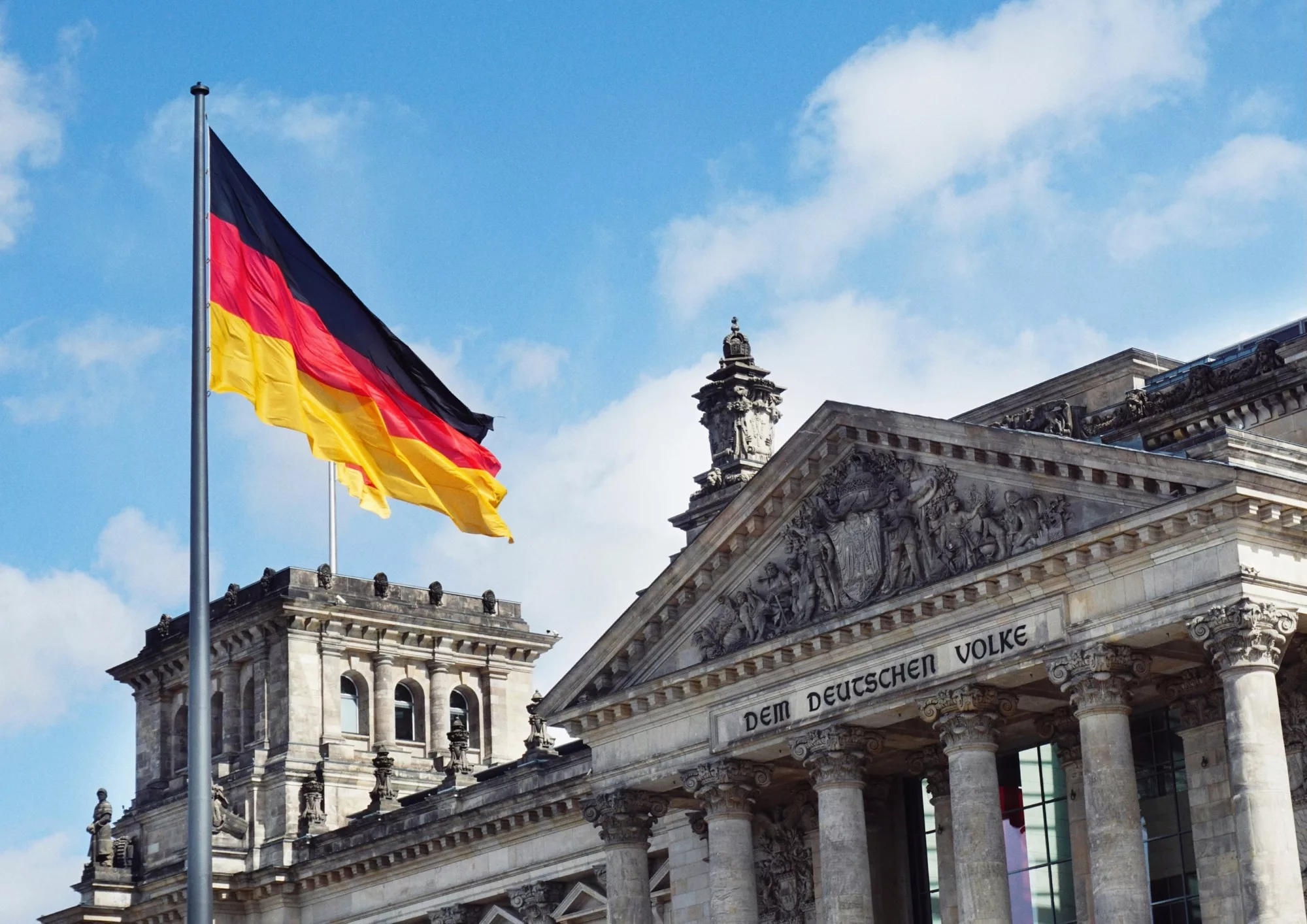
Germany stands as one of the most powerful and prosperous countries in the world. It has the largest economy in Europe, an advanced industrial base, strong global influence, and a central role in the European Union. Yet despite all of this, Germany does not possess nuclear weapons. This absence often raises questions, especially when one considers that smaller nations with far less global weight, such as North Korea, Pakistan, or Israel, have nuclear arsenals. So why doesn’t Germany, a country with the scientific, financial, and technological capacity, have nuclear weapons? The answer is not simple—it lies in a complex web of history, politics, law, international treaties, and cultural attitudes that have shaped Germany’s path since the end of World War II.
The Historical Burden of World War II
The story begins in the aftermath of World War II. Germany’s aggressive militarism under the Nazi regime left an indelible scar not just on the country, but on the entire world. After 1945, Germany was defeated, occupied, and divided by the Allied powers. The horrors of the Holocaust, combined with the devastation of the war, meant that the world had no interest in ever allowing Germany to reemerge as a threatening military power.
As part of the postwar settlement, Germany was stripped of its ability to wage aggressive war. The Allies imposed strict demilitarization and disarmament measures. For years, Germany did not even have a national army—its defense was handled by Allied troops stationed within its territory. The legacy of Nazi Germany’s crimes and the trauma of total war created a national identity in which militarism was viewed with suspicion. From the very beginning, nuclear weapons—symbols of ultimate destruction—were firmly off the table.
Division of Germany and the Cold War Context
With the start of the Cold War, Germany became the frontline between East and West. The Federal Republic of Germany (West Germany) joined the Western bloc under American influence, while the German Democratic Republic (East Germany) fell under Soviet control. This division only intensified the nuclear question.
The Soviet Union developed its nuclear arsenal in the late 1940s, followed by the U.K. and France in the 1950s. As nuclear weapons became the ultimate marker of power, some German politicians worried that West Germany was dangerously vulnerable. After all, if war broke out between NATO and the Warsaw Pact, German soil would be the battlefield—and the likely target of nuclear strikes.
Despite these concerns, the United States and other Western allies opposed any attempt by Germany to develop its own nuclear program. Memories of Hitler were still fresh, and the idea of a nuclear-armed Germany was unacceptable to its neighbors. Instead, NATO offered West Germany a compromise: participation in nuclear sharing.
NATO Nuclear Sharing: A Substitute for a German Bomb
NATO’s nuclear sharing arrangement allowed West Germany to play a role in nuclear defense without actually owning nuclear weapons. Beginning in the 1950s, American nuclear weapons were stationed on German territory. These bombs remained under U.S. control, but German pilots and aircraft were trained to deliver them in wartime—though only if Washington authorized it.
This arrangement gave West Germany the assurance of nuclear deterrence while preventing it from building its own arsenal. It was a delicate balance: Germany gained credibility as a key NATO ally while reassuring the world that it would never independently control nuclear weapons.
To this day, American nuclear bombs are stored at Büchel Air Base in Germany, ready to be deployed by German aircraft if necessary. In this sense, Germany is both non-nuclear and nuclear-adjacent—it has access to nuclear deterrence, but never sovereignty over it.
The Non-Proliferation Treaty and Legal Commitments
The decisive legal reason Germany does not have nuclear weapons is the Nuclear Non-Proliferation Treaty (NPT), signed in 1968 and ratified in 1975. This landmark treaty established a global framework for preventing the spread of nuclear weapons.
Under the NPT:
- Only five states (the U.S., U.K., France, Russia, and China) are legally recognized as nuclear-weapon powers.
- All other signatories, including Germany, commit not to acquire or develop nuclear weapons.
- In exchange, non-nuclear states gain access to peaceful nuclear technology and are promised security assurances.
Germany became a strong supporter of the NPT. Its identity as a responsible global citizen fit perfectly with the treaty’s goals. By binding itself to non-proliferation, Germany not only calmed fears in Europe but also positioned itself as a leader in arms control diplomacy.
The Two-Plus-Four Treaty and Reunification
When the Berlin Wall fell and Germany prepared for reunification in 1990, the nuclear question surfaced again. A unified Germany would be powerful—so what would guarantee that it remained non-nuclear?
The answer came in the Two-Plus-Four Treaty, signed by West and East Germany along with the four Allied powers: the U.S., U.K., France, and the Soviet Union. The treaty not only confirmed the end of Allied occupation but also explicitly prohibited Germany from developing or possessing nuclear, biological, or chemical weapons.
This was a binding commitment at the highest level of international law. Reunified Germany accepted permanent restrictions, reassuring its neighbors that it would never attempt to go nuclear. This treaty cemented Germany’s role as a non-nuclear power.
Public Opinion and Political Culture in Germany
Even if the legal barriers were not there, German society itself provides another answer to the question. Public opinion in Germany is strongly against nuclear weapons. Surveys consistently show that a majority of Germans oppose developing them, and many want U.S. nuclear weapons removed from German soil altogether.
Several factors explain this:
- Historical memory: The Nazi era created a deep cultural rejection of militarism and destructive weaponry.
- Peace movements: Since the 1960s, Germany has had strong anti-nuclear movements, both against weapons and nuclear power plants.
- Environmental concerns: Germans associate nuclear energy with long-term risks, and nuclear weapons with irreversible catastrophe.
- Multilateralism: Germany’s postwar identity is built on international cooperation, law, and institutions rather than unilateral militarism.
For German politicians, openly calling for nuclear weapons would be political suicide. The electorate sees nuclear disarmament as part of Germany’s moral duty in the postwar order.
Germany’s Security Dependence on the U.S. Nuclear Umbrella
Germany’s non-nuclear stance does not mean it is unprotected. As a NATO member, Germany is covered by the U.S. nuclear umbrella. This means that any nuclear attack on Germany would trigger an American nuclear response.
This arrangement provides Germany with the ultimate deterrent without the political or financial burden of developing its own arsenal. It also reassures its European neighbors that Germany will never act independently with nuclear weapons. Essentially, Germany gets the benefits of nuclear protection without the dangers of proliferation.
Could Germany Build Nuclear Weapons If It Wanted To?
Technologically speaking, Germany could build nuclear weapons relatively quickly. It has one of the most advanced scientific and industrial bases in the world, with nuclear energy expertise and the necessary resources. If Germany abandoned its treaty commitments, it could likely develop a bomb within a few years.
However, the costs would be immense. Leaving the NPT would isolate Germany internationally, provoke a crisis in the European Union, and destroy its reputation as a peaceful power. It would also spark fears among its neighbors, potentially leading to a new arms race in Europe. The political damage would far outweigh the strategic benefits.
The Debate in Modern Times
In recent years, global instability has reopened debates about nuclear weapons in Germany. Russia’s invasion of Ukraine, combined with questions about U.S. reliability, has led some German politicians and scholars to reconsider the country’s dependence on American protection.
Some argue that Europe needs its own independent nuclear deterrent, perhaps by expanding France’s arsenal into a “European bomb” supported by German financing. Others suggest that Germany should strengthen NATO nuclear sharing to maintain credibility.
Still, despite these discussions, there is little appetite among the German public or mainstream political leaders to actually pursue nuclear weapons. The cultural, legal, and diplomatic barriers remain too high.
Germany’s Role in Global Arms Control
Instead of pursuing nuclear weapons, Germany has embraced a different role: leader in arms control and disarmament diplomacy. Berlin actively supports treaties limiting nuclear proliferation, pushes for transparency, and works with the United Nations and the European Union to strengthen global security.
By avoiding nuclear weapons, Germany has positioned itself as a bridge-builder between nuclear and non-nuclear states. Its credibility as a non-nuclear power allows it to mediate, advocate, and lead discussions on reducing nuclear risks.
Conclusion: A Different Kind of Power
Germany does not have nuclear weapons because of history, treaties, culture, and strategy. The devastation of World War II made nuclear armament politically unthinkable. The Cold War nuclear sharing arrangement allowed Germany to participate in defense without owning the bomb. The NPT and the Two-Plus-Four Treaty locked in its legal obligations. Public opinion remains strongly opposed, and NATO’s nuclear umbrella provides protection without proliferation.
Could Germany change course in the future? In theory, yes. But in practice, the barriers are so high that it remains extremely unlikely. Germany has chosen a different kind of power—one rooted in diplomacy, economic strength, and moral leadership rather than nuclear weapons.