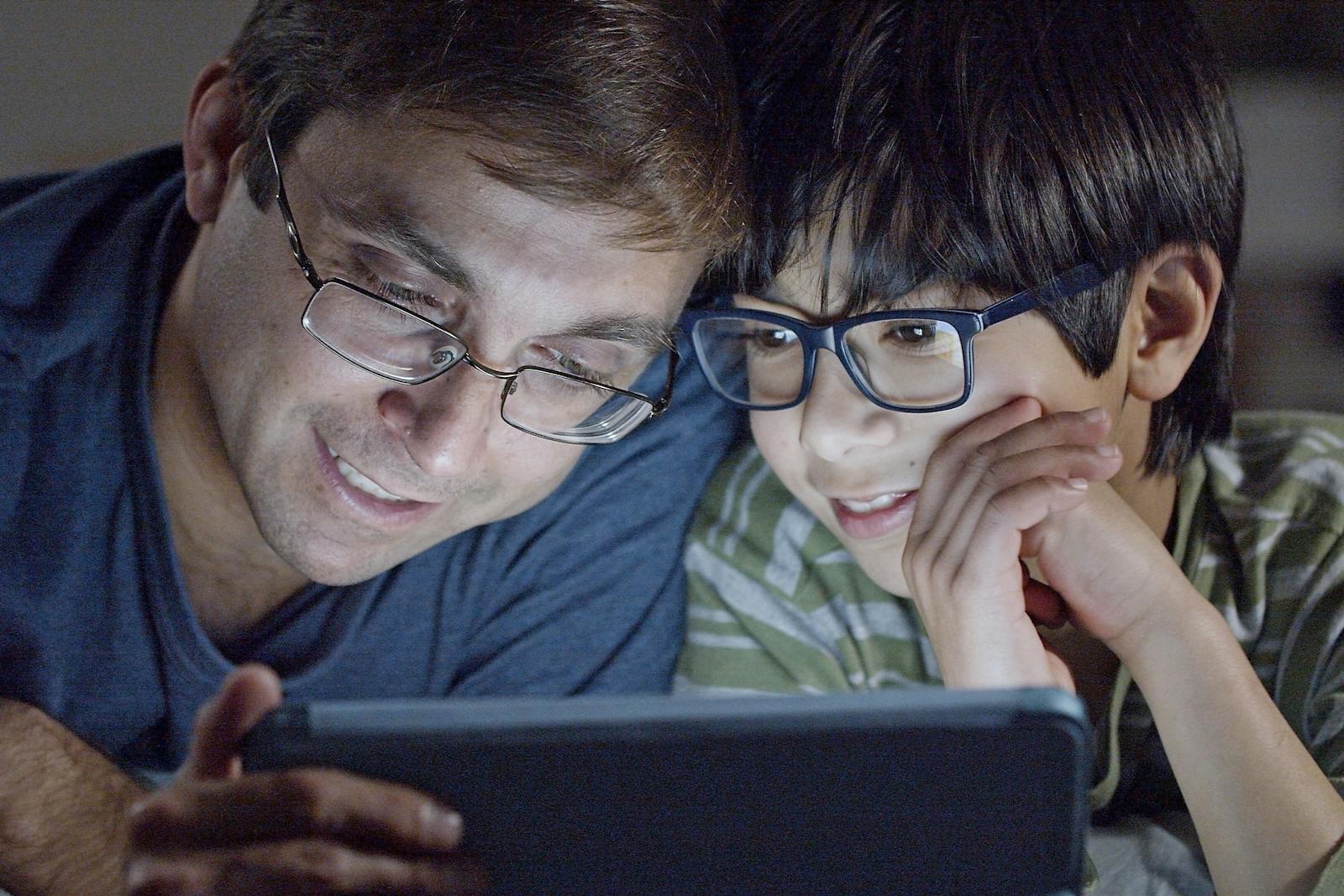
In today’s digital age, technology is an integral part of daily life, and even the youngest members of the family are increasingly exposed to screens and gadgets. While technology can offer educational benefits, introducing it to babies must be done responsibly to avoid potential negative effects on their development. Striking the right balance between technology use and traditional play is essential for healthy cognitive, social, and emotional growth. This article will provide 15 tips and guidelines for introducing technology to babies in a way that fosters positive development while minimizing the risks.
Understanding the Impact of Technology on Babies
Before diving into the guidelines, it’s important to understand that babies’ brains are rapidly developing during the first few years of life. During this time, they are learning to process the world around them through sensory experiences, movement, and interaction with caregivers. Overexposure to screens or reliance on technology at an early age can interfere with the development of social skills, language acquisition, and motor skills.
While technology can be an effective educational tool when used appropriately, it should never replace face-to-face interaction and physical play, both of which are essential for a baby’s development. With this in mind, introducing technology to babies should be done thoughtfully, with clear guidelines in place.
1. Follow Age-Appropriate Guidelines
One of the first steps to introducing technology responsibly is to follow age-appropriate guidelines set by health experts. The American Academy of Pediatrics (AAP) recommends avoiding screen time entirely for children under 18 months, except for video chats. For toddlers between 18 and 24 months, parents should choose high-quality educational content and engage with the child while watching to enhance learning.
For children aged 2 to 5, screen time should be limited to one hour per day of high-quality programming, with an emphasis on co-viewing and discussing the content with the child. These recommendations are based on studies that highlight the importance of hands-on learning and social interaction in early childhood development.
2. Prioritize Interaction Over Screens
While technology can be engaging, babies learn best through human interaction. Activities like talking, reading, singing, and playing with caregivers help build important cognitive and emotional skills. When introducing screens, ensure that it complements, rather than replaces, interaction with caregivers. Babies should still spend the majority of their time engaging in real-world activities that stimulate all of their senses.
3. Choose High-Quality Educational Content
If you decide to introduce screen time to your baby, it’s important to choose high-quality educational content designed specifically for young children. Look for programs and apps that are interactive, engaging, and encourage problem-solving or language development. Some apps offer age-appropriate learning experiences, such as recognizing shapes, colors, and animals, or fostering early literacy skills through songs and stories.
Always preview content beforehand to ensure it aligns with your educational goals and values. Programs that promote active engagement rather than passive consumption are best suited for young children.
4. Use Technology as a Tool, Not a Babysitter
It can be tempting to use technology as a way to occupy your baby while you tend to other tasks, but it’s important to avoid using it as a babysitter. Prolonged, unsupervised screen time can reduce opportunities for creative play and human interaction, which are vital for healthy development.
Whenever possible, co-view with your child and use technology as an interactive learning tool. For example, if your baby is watching a video about animals, you can point out the animals and ask questions like, “What sound does the cow make?” This approach helps make the experience more engaging and educational.
5. Establish Screen-Free Zones
Creating screen-free zones in the home is a great way to limit exposure to technology and encourage face-to-face interaction. For instance, the dinner table can be a screen-free zone where family members focus on conversation and mealtime together. Similarly, keeping screens out of the bedroom can promote healthier sleep habits for your baby.
By designating certain areas as screen-free, you set clear boundaries that help ensure that technology doesn’t interfere with important activities like eating, sleeping, and playtime.
6. Set a Time Limit for Screen Usage
It’s easy to let screen time run longer than intended, especially if a baby is quietly entertained. However, setting time limits is crucial for ensuring that technology use stays within healthy boundaries. For babies and toddlers, screen time should be limited to short bursts, ideally no more than 15-20 minutes at a time.
You can use timers or screen time management apps to help track usage. Once the time is up, engage your child in another activity like reading, playing with toys, or spending time outdoors to ensure they’re getting a variety of learning experiences.
7. Focus on Active, Not Passive, Engagement
When introducing technology, it’s important to focus on active engagement rather than passive consumption. Active engagement involves activities where babies are encouraged to interact with the content, such as tapping the screen to make something happen or repeating words and sounds they hear.
Passive activities, such as simply watching a video, should be minimized. The goal is to use technology as a tool that helps develop cognitive skills, rather than simply entertaining your baby.
8. Use Video Chats to Stay Connected with Family
One of the few exceptions to screen time for babies under 18 months is video chatting. Video chats can be a valuable way for babies to stay connected with distant family members, such as grandparents or relatives who live far away. These interactions are different from passive screen time because they involve real-time social interaction, allowing babies to see and hear their loved ones.
To make video chats more interactive, encourage the person on the other side to engage with your baby by singing, reading a story, or playing peek-a-boo.
9. Avoid Background TV or Noise
Having the TV on in the background, even if your baby isn’t directly watching it, can be distracting and disruptive to their play and interaction. Background TV can interfere with a baby’s ability to focus on other activities and may reduce the quality of caregiver-child interactions.
Instead of having the TV on for background noise, opt for playing music, engaging in conversation, or simply enjoying quiet time. This helps babies concentrate on their surroundings and fosters better cognitive development.
10. Model Responsible Technology Use
Children learn by observing the behavior of their caregivers, so it’s essential to model responsible technology use yourself. If you’re constantly glued to your phone or TV, your baby will likely want to mimic that behavior. Instead, show your child that technology has its place, but it shouldn’t dominate your daily life.
Limit your own screen time when interacting with your baby and avoid using technology during key moments like mealtime, playtime, or bedtime. This not only sets a positive example but also creates more opportunities for bonding.
11. Incorporate Technology-Free Activities Daily
To promote well-rounded development, make sure to incorporate technology-free activities into your baby’s daily routine. Activities such as reading books, playing with blocks, or exploring nature offer valuable sensory experiences and help babies develop critical thinking and problem-solving skills.
Hands-on activities encourage babies to explore their environment in a tactile way, which is essential for the development of fine motor skills and creativity. Balance is key—technology should complement, not replace, these essential real-world learning opportunities.
12. Encourage Physical Movement
Babies need plenty of physical activity to develop their gross motor skills, coordination, and strength. Technology use, especially passive screen time, can lead to sedentary behavior, which is not ideal for a baby’s developing body. Make sure to incorporate physical movement throughout the day, whether it’s through tummy time, crawling, or playing outside.
When introducing technology, try to choose apps or programs that encourage movement, such as interactive dancing or sing-along activities that get your baby up and moving. This can help mitigate the sedentary effects of screen time.
13. Be Mindful of Overstimulation
Bright screens, fast-moving images, and loud sounds can easily overstimulate babies, leading to irritability or difficulty sleeping. Babies need a balance of quiet time and active engagement to help them process their experiences. Be mindful of the type of content your baby is exposed to, and limit anything that may be too stimulating, especially before naps or bedtime.
Instead of flashy, fast-paced videos, opt for calming, slow-paced content that allows babies to focus and engage without becoming overwhelmed.
14. Observe How Your Baby Reacts to Screen Time
Pay attention to how your baby reacts to screen time and adjust accordingly. Every child is different, and some may be more sensitive to screens than others. If your baby seems overstimulated, anxious, or agitated after screen time, it may be a sign to reduce their exposure or switch to a different activity.
On the other hand, if your baby seems engaged and enjoys interacting with the screen, make sure the content is enriching and educational. Regularly check in to ensure that screen time remains a positive and beneficial experience.
15. Balance Screen Time with Real-World Learning
Finally, remember that screen time should be just one small part of a baby’s learning experience. Babies learn best through real-world exploration, so it’s important to balance screen time with activities that engage their senses and allow them to interact with their environment.
Encourage your baby to explore different textures, sounds, and movements by playing with toys, engaging in outdoor activities, or even participating in everyday tasks like helping with laundry or cooking. Real-world experiences provide valuable learning opportunities that technology simply cannot replicate.
Conclusion: Responsible Technology Use for Babies
Introducing technology to babies can be beneficial if done thoughtfully and responsibly. The key is to maintain a balance between screen time and interactive, real-world activities that support your baby’s overall development. By following age-appropriate guidelines, choosing high-quality content, and prioritizing face-to-face interaction, you can ensure that technology serves as a valuable tool for learning without compromising your baby’s emotional, cognitive, and physical growth.
Remember, technology should never replace the fundamental elements of early childhood development: play, movement, and human connection.