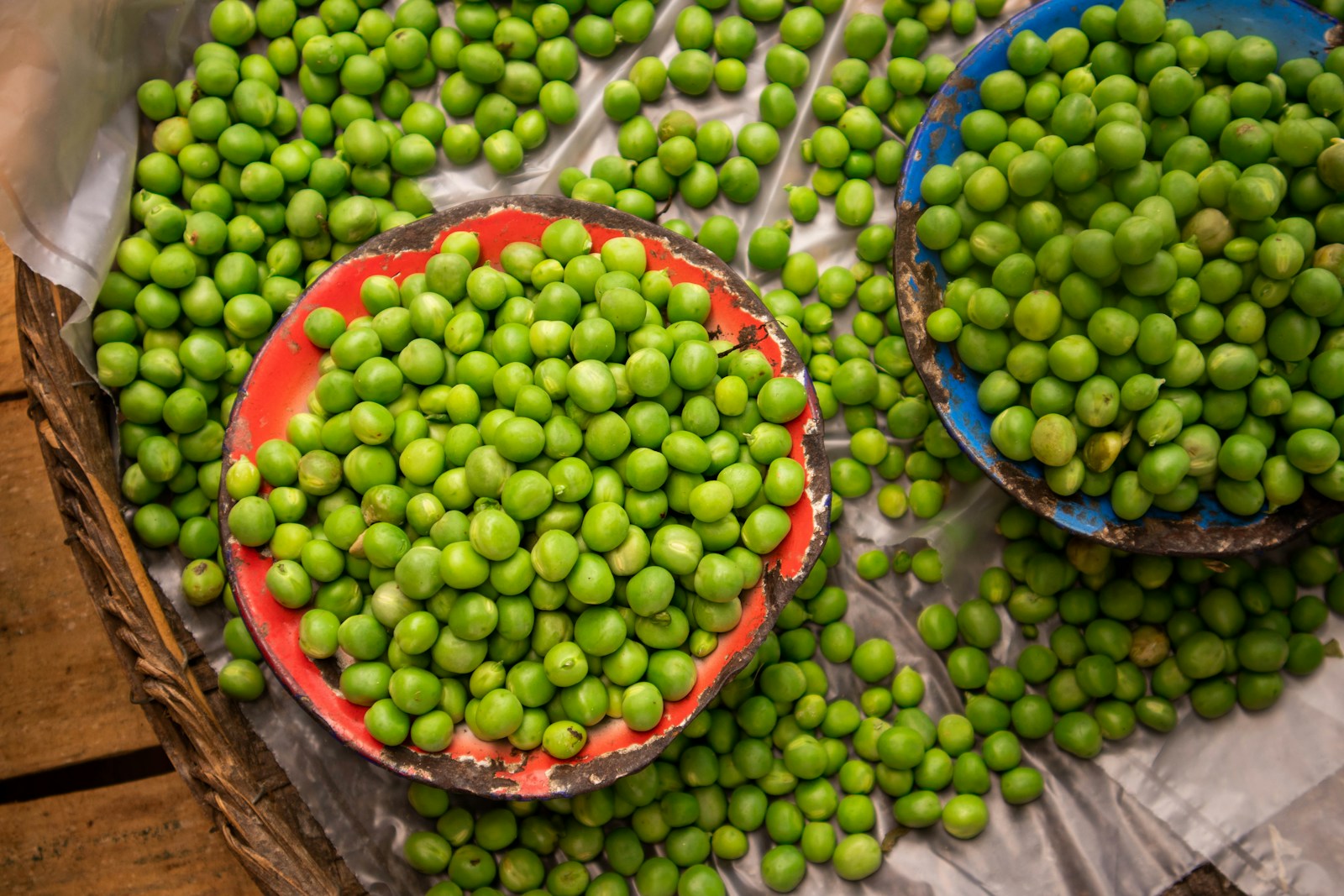
Canned peas have long been a staple in many households due to their convenience and long shelf life. While they might not boast the same nutritional profile as their fresh or frozen counterparts, they still hold a significant place in a balanced diet. Let’s delve deeper into the world of canned peas, exploring their benefits, nutritional content, and how they compare to fresh and frozen options. We’ll also touch on some practical tips for incorporating them into your meals effectively.
Understanding the Canning Process
The canning process involves sealing food in airtight containers and then heating them to destroy any bacteria that could cause spoilage. This process not only extends the shelf life of food but also ensures safety by preventing bacterial growth. However, during the canning process, some water-soluble vitamins, such as vitamin C and some B vitamins, can be lost due to the heat involved. Despite this, canned peas remain a reliable source of fiber and other essential nutrients.
Preserving Nutrients
While it’s true that some nutrient loss occurs during canning, it’s important to highlight that the fiber content remains largely unaffected. Fiber is crucial for digestive health and can help maintain a feeling of fullness, which is beneficial for weight management. Additionally, canned peas still retain a good amount of plant-based protein, making them a useful component in vegetarian and vegan diets.
The Role of Additives
When considering canned peas, it’s crucial to be aware of any additives used. Many brands add sodium to help preserve the peas and enhance flavor. If you’re watching your sodium intake, look for low-sodium or no-salt-added versions. Reading labels carefully can help you make informed choices that align with your dietary needs.
Nutritional Profile of Canned Peas
Canned peas are packed with nutrients, although some are present in lesser amounts than in fresh peas. Here’s a closer look at what they offer:
- Fiber: An excellent source of dietary fiber, canned peas can aid in digestion and help maintain a healthy gut.
- Vitamins: While some vitamin loss occurs, canned peas still provide vitamin K, which is crucial for bone health, and some vitamin C.
- Minerals: They contain iron, which is vital for oxygen transport in the blood, and other minerals like magnesium and potassium.
To maximize the nutritional benefits, try to incorporate canned peas into dishes where their flavor can shine without adding extra sodium or preservatives.
Protein Content
Peas are a legume, which means they have a notable protein content compared to many other vegetables. Canned peas provide a plant-based protein source, which can be particularly beneficial in vegetarian or vegan diets. This protein can help with muscle repair and growth and supports overall bodily functions.
Antioxidants
Despite some nutrient loss during canning, peas still contain antioxidants such as flavonoids and carotenoids. These compounds play a role in protecting cells from oxidative stress and reducing inflammation, which can contribute to various chronic diseases.
Comparing Canned, Fresh, and Frozen Peas
Fresh Peas
Fresh peas are often seen as the gold standard for taste and nutrition. Harvested at their peak, they retain the highest levels of vitamins and minerals. However, they are also the least convenient, as they require shelling and have a shorter shelf life.
Frozen Peas
Frozen peas are an excellent middle ground. They are flash-frozen shortly after harvesting, which locks in nutrients. They offer nearly the same nutritional benefits as fresh peas and are often more convenient due to their longer shelf life and ease of use.
Canned Peas
Canned peas may not have the same fresh taste or nutrient density, but they offer unmatched convenience. They’re pre-cooked and ready to eat, saving time in meal preparation. This makes them a practical option for busy individuals or those without easy access to fresh or frozen options.
Cost Comparison
From an economic standpoint, canned peas often come out ahead. Fresh peas can be expensive, especially when out of season, and frozen peas, while typically cheaper than fresh, still don’t match the affordability of canned options. This makes canned peas a budget-friendly choice for families looking to incorporate more vegetables into their diet without breaking the bank.
Practical Tips for Using Canned Peas
- Rinse Before Use: To reduce sodium content, rinse canned peas under cold water before using them in your recipes.
- Add to Soups and Stews: Their soft texture makes them ideal for adding to soups, stews, and casseroles.
- Quick Salads: Mix canned peas with other canned or fresh vegetables for a quick, nutrient-rich salad.
- Stir into Pasta: For a quick and easy meal, stir canned peas into pasta dishes. They add color and nutrition without overwhelming the dish.
- Homemade Hummus: Blend them into a creamy hummus with a twist. Use them as a base or mix them with chickpeas for a unique flavor.
- Smoothies: Believe it or not, peas can be added to smoothies for an extra nutritional punch. Their mild flavor blends well with fruits and greens.
Creative Pairings
Consider pairing canned peas with herbs and spices to elevate their flavor. Dill, mint, and parsley are excellent choices that complement peas. For a bit of heat, a dash of cayenne or a sprinkle of smoked paprika can add an exciting twist.
Meal Prep and Storage
Canned peas are perfect for meal prep. Since they are already cooked, they can be quickly added to meal prep containers with your favorite proteins and grains for a balanced meal. Store any unused peas in an airtight container in the fridge and consume within a few days.
Common Mistakes and How to Avoid Them
- Overcooking: Canned peas are already cooked, so avoid overcooking them to prevent mushiness. Add them at the end of your cooking process to retain their texture.
- Ignoring Labels: Always check the label for sodium content and preservatives. Opting for low-sodium versions can significantly benefit your health.
- Neglecting Variety: While canned peas are convenient, relying solely on them can lead to a less varied diet. Balance your intake with fresh and frozen options when possible.
Avoiding Flavor Fatigue
To keep meals exciting, try rotating between different types of peas and other legumes. Lentils, chickpeas, and fresh or frozen peas can all add variety to your meals, preventing flavor fatigue and ensuring a diverse intake of nutrients.
Environmental and Economic Considerations
Sustainability
Canned goods often come with an environmental impact due to the packaging and energy used in the canning process. However, they also help reduce food waste because of their long shelf life. Choosing brands that prioritize sustainable practices can mitigate some of these concerns.
Packaging Choices
When selecting canned peas, consider the packaging. Some brands have shifted to BPA-free linings, which is a safer choice for consumers concerned about chemical exposure. Additionally, recycling the cans after use helps reduce environmental impact.
Cost-Effectiveness
Canned peas are generally more affordable than fresh or frozen. They can be a budget-friendly way to add vegetables to your diet, especially during off-season months when fresh produce prices rise.
Economic Impact
Purchasing canned peas supports the preservation industry, which provides jobs and contributes to the economy. By choosing domestically produced canned peas, you can also support local agriculture and reduce the carbon footprint associated with long-distance food transportation.
Innovative Recipes to Try
If you’re looking to spice up your meals with canned peas, consider these innovative recipes:
Pea and Mint Soup
A simple yet sophisticated dish, pea and mint soup can be made quickly using canned peas. Simply blend peas with fresh mint, a splash of cream, and vegetable broth for a refreshing soup.
Creamy Pea Risotto
Enhance a classic risotto by stirring in canned peas towards the end of cooking. The peas add sweetness and a pop of color, complementing the creamy texture of the risotto.
Pea Guacamole
Add a unique twist to traditional guacamole by mashing avocado with canned peas. The peas add a sweet flavor and extra fiber, making this a nutritious dip.
Pea Pesto
Blend canned peas with basil, garlic, Parmesan cheese, and olive oil to create a vibrant pea pesto. This can be used as a pasta sauce, sandwich spread, or a dip for vegetables.
Savory Pea Pancakes
Incorporate canned peas into a savory pancake batter with shredded zucchini, garlic, and onion. Cook until golden brown for a delicious and nutritious breakfast or snack.
Final Thoughts
Incorporating canned peas into your diet can be a practical and nutritious choice, especially when fresh or frozen options aren’t available. By understanding their nutritional content, making mindful choices about additives, and employing creative cooking techniques, you can enjoy the benefits of this pantry staple while maintaining a balanced diet. Remember, variety is key to a healthy lifestyle, so consider mixing canned peas with other vegetable forms to ensure a diverse intake of nutrients. Happy cooking!