Porphyria can feel like a moving target. One week your skin seems fine; the next, a short walk outside leaves you stinging. Or maybe it’s the abdominal pain that arrives out of nowhere, with brain fog tagging along for the ride. While medical care—avoiding unsafe drugs, managing attacks, and working closely with your specialist—remains the foundation, many people ask me for practical, natural ways to support their bodies between flare-ups. That’s exactly what this guide covers: sensible, science-aware strategies you can layer on top of your treatment plan to feel and function better.
A quick, plain-language primer on porphyria
Porphyria isn’t one disease. It’s a family of rare genetic conditions that interfere with how your body makes heme—the molecule that helps hemoglobin carry oxygen and supports key liver enzymes. When the heme-making assembly line slows or stalls because of a genetic enzyme glitch, intermediate compounds called porphyrins (or their precursors) build up. Depending on the type, that buildup affects the skin, the nervous system, or both.
- Cutaneous porphyrias center on the skin. Sunlight—especially UVA—can trigger painful reactions, blistering, and long-lasting sensitivity. Two better-known forms are porphyria cutanea tarda (PCT) and erythropoietic protoporphyria (EPP).
- Acute hepatic porphyrias (AHP) typically cause sudden attacks of severe abdominal pain, nausea, weakness, and sometimes neuropathy. Triggers include certain drugs, fasting, hormonal shifts, and infections.
How rare are we talking? Gene variants that raise risk aren’t that unusual (some estimates suggest 1 in 1,500–2,000 carry a variant), but symptomatic disease is far less common—closer to 1 in 100,000 or more for acute forms. EPP, a sun-sensitive type, likely affects somewhere between 1 in 75,000 and 1 in 200,000 people, depending on the population.
Why this matters for “natural remedies”: anything that increases heme demand (think fasting, certain meds, alcohol) or piles on oxidative stress can aggravate symptoms. On the flipside, strategies that lower inflammation, support liver function, and protect skin from light can make a noticeable difference.
What natural approaches can—and can’t—do
Let’s set reasonable expectations:
- Natural options can help reduce background inflammation, improve tolerance to light (in some types), support energy levels, and keep digestion and detox pathways running smoothly.
- They cannot replace rescue treatments during acute attacks, correct genetic enzyme deficiencies, or guarantee prevention of flares.
- Product quality, dosing, and interactions matter. Herbs and supplements can be active—sometimes too active—so they deserve the same respect as medication.
If you’re reading this, you probably already do the basics (sun protection, avoiding unsafe drugs, steady meals). We’ll build on that foundation with 10 evidence-informed supports. I’ll share how they might help, the strength of the evidence, ways to try them, and where the pitfalls are.
Before we dive into the list, here’s a quick readiness checklist.
Before you start: a smart safety checklist
- Confirm your type of porphyria. Strategies for EPP vs. PCT vs. AHP can differ. If you’re not sure, ask your clinician to walk you through your specific diagnosis and priorities.
- Review your medication list for porphyria safety. Some barbiturates, rifampin, sulfonamide antibiotics, certain antifungals, and some anti-seizure or hormonal drugs are known triggers in acute forms. Use a trusted porphyria drug database and your doctor’s guidance.
- Eat regularly. Skipping meals and fad fasting can provoke attacks in acute hepatic porphyrias. Aim for balanced meals or small, regular snacks—especially during times of stress or illness.
- Protect your skin. UV-protective clothing (UPF-rated), broad-spectrum mineral sunscreens, UV window films, and planning activities outside low-angle sun hours can dramatically reduce flares in cutaneous types.
- Flag alcohol and smoking. Alcohol can precipitate symptoms in several types (especially PCT), and smoking amplifies oxidative stress. If you drink, discuss realistic limits with your clinician; if you smoke, getting support to quit is one of the highest-impact changes you can make.
- Iron matters in PCT. Unneeded iron supplements can worsen PCT. Only supplement iron under medical guidance.
Now, the 10 natural supports.
1) Beta-carotene–rich foods for light tolerance and skin resilience
Why it might help: Some people with cutaneous porphyrias—especially EPP—find that boosting beta-carotene makes sun exposure more tolerable. Beta-carotene is a pigment that accumulates in the skin and may absorb or quench reactive species produced by light exposure. It’s a precursor to vitamin A and a robust antioxidant.
What the science says (evidence: modest, condition-specific): Clinical experience and small studies suggest benefit in EPP. In PCT and other cutaneous types, effects can be milder but still helpful alongside strict photoprotection. Supplements have been studied, but food-first approaches often provide a safer baseline.
How to try it:
- Load your plate with color:
- Deep-orange vegetables: carrots, sweet potatoes, butternut squash, pumpkin.
- Leafy greens: kale, spinach, collards (beta-carotene hides under the green chlorophyll).
- Other sources: red/orange bell peppers, cantaloupe, apricots, mangoes.
- Combine with healthy fats for absorption: drizzle olive oil on roasted carrots, add avocado to a spinach salad, or blend nut butter into a mango smoothie.
- If considering supplements: doses used historically in EPP are often high (sometimes 60–120 mg/day or more), which can discolor skin (harmlessly) and isn’t right for everyone. Talk with your clinician before supplementing at those levels.
Common mistakes and cautions:
- Over-supplementing. Very high beta-carotene supplements have been linked to increased lung cancer risk in smokers. If you smoke or recently quit, stick to food sources unless your specialist advises otherwise.
- Expecting instant results. Skin accumulation takes time; think weeks to months.
- Confusing beta-carotene with preformed vitamin A (retinol). Excess retinol can be toxic; beta-carotene from foods is much safer.
Pro tip: Smoothies are your friend: blend roasted sweet potato, frozen mango, spinach, and a spoon of almond butter with water or unsweetened almond milk. You’ll get a big beta-carotene punch with steady energy.
2) Chlorella for gentle binding—and why to use it carefully
Why it might help: Chlorella, a freshwater green microalga, is dense in chlorophyll and nutrients. It’s promoted as a “binder” that helps carry certain compounds out through the gut and may reduce oxidative stress, helping people who are sensitive to environmental triggers.
What the science says (evidence: limited for porphyria specifically): Preclinical studies suggest chlorella can bind some heavy metals and support antioxidant status. Human data exist for general detoxification markers, but not robustly in porphyria. Think of chlorella as a potentially helpful adjunct—one to test gently and personally.
How to try it:
- Start low and slow: 500 mg once daily with food for a week, then consider 1,000–2,000 mg/day if tolerated. Some products use “cracked cell wall” chlorella to improve digestibility.
- Choose clean brands: look for third-party testing for heavy metals and microcystin toxins.
- Hydrate well: adequate water helps prevent constipation, which undermines the “carrying out” part.
Common mistakes and cautions:
- GI surprises. Bloating, gas, and changes in stool are common early on. If this doesn’t settle within a week at a low dose, it might not be your ally.
- Thyroid or iodine sensitivity. Some algae products contain iodine; if you have thyroid disease or are iodine-sensitive, pick brands that disclose iodine content.
- Blood thinners and vitamin K. Chlorella naturally contains vitamin K, which can interfere with warfarin. If you’re on anticoagulants, discuss with your clinician before trying.
- Quality matters a lot. Avoid bargain tubs with no testing.
Pro tip: Pair chlorella with fiber-rich meals (think brown rice and veggies) to support bowel regularity. Binding is only useful if things keep moving.
3) Vitamin C to tame oxidative stress and support skin repair
Why it might help: Porphyrin buildup and light exposure generate reactive oxygen species. Vitamin C donates electrons to neutralize those free radicals, supports collagen synthesis (hello, skin barrier), and helps immune defense when stressors pile up.
What the science says (evidence: strong for antioxidant/skin health; indirect for porphyria): Vitamin C’s antioxidant and collagen roles are well-established. While there aren’t large porphyria-specific trials, the biology lines up: less oxidative stress can translate into less tissue irritation and better healing.
How to try it:
- Food-first approach:
- Citrus, kiwi, strawberries, pineapple.
- Bell peppers, broccoli, Brussels sprouts.
- Herbs like parsley and thyme (surprisingly rich).
- Supplement if needed:
- 250–500 mg once or twice daily is a practical range. Divide doses for better absorption and fewer GI side effects.
- Buffered forms (calcium or magnesium ascorbate) can be easier on the stomach.
Common mistakes and cautions:
- Mega-doses. High doses can trigger diarrhea and may increase oxalate in susceptible people. If you have a history of kidney stones, stay conservative and focus on foods.
- Iron dynamics. Vitamin C increases non-heme iron absorption. If you have iron overload (relevant in PCT), coordinate carefully with your clinician.
Pro tip: Add diced red bell pepper and chopped parsley to grain bowls or omelets. It’s an effortless vitamin C upgrade that also brings crunch and flavor.
4) Milk thistle for liver support
Why it might help: The liver is mission control for heme synthesis and detox. Milk thistle (Silybum marianum) contains silymarin, a complex of flavonolignans that stabilize liver cell membranes, support antioxidant enzymes like glutathione, and help the liver process various compounds more efficiently.
What the science says (evidence: moderate for general liver support, limited directly in porphyria): Milk thistle is widely used in liver health, with a decent safety profile. It hasn’t been rigorously studied for porphyria outcomes, but many clinicians consider it reasonable for non-PCT cases needing gentle hepatic support.
How to try it:
- Standardized extract (silymarin 70–80%):
- 140–175 mg two or three times daily with food, or 250–300 mg once or twice daily depending on the product.
- Tea is pleasant but less concentrated. Use it more for hydration and ritual than therapeutic dosing.
Common mistakes and cautions:
- Drug metabolism interactions. Silymarin can nudge certain liver enzymes and transporters. If you’re on multiple medications, clear it with your clinician to avoid changing drug levels.
- Allergy. Milk thistle is in the Asteraceae family (ragweed relatives). If you have strong ragweed allergies, monitor for reactions.
- PCT nuance. Because iron metabolism is part of PCT management, any liver supplement should be coordinated with your specialist so it doesn’t muddy treatment plans like phlebotomy.
Pro tip: Consistency beats high doses. Give it 6–8 weeks and track energy, digestion, and skin comfort before judging.
5) Probiotics for gut-liver teamwork
Why it might help: Your gut microbiome helps metabolize bile acids, modulates inflammation, and communicates constantly with the liver (the “gut-liver axis”). A healthier gut often means smoother digestion, better nutrient absorption, and less systemic irritation.
What the science says (evidence: growing for gut-liver health; indirect for porphyria): Probiotics can improve some liver markers and reduce inflammation in other conditions. While we don’t have porphyria-specific trials, many people notice less bloating and steadier energy when their gut is balanced.
How to try it:
- Start with foods:
- Yogurt or kefir with live cultures, unsweetened if possible.
- Fermented vegetables (sauerkraut, kimchi), miso, tempeh, kombucha.
- Consider a supplemental blend:
- A broad-spectrum Lactobacillus/Bifidobacterium product with 10–50 billion CFU daily is a sensible starting point.
- Alternatively, try a single strain (e.g., Lactobacillus rhamnosus GG) for 4–6 weeks to see if you notice a clear effect.
Common mistakes and cautions:
- “More strains, more CFUs, more better.” Not always. Quality and your individual response matter more than a gigantic number on the label.
- Starting too fast. Introduce gradually to avoid gas or cramping. If you have SIBO or IBS, you may need a targeted approach.
- Immunocompromised caution. Severe immunosuppression requires a tailored plan; review any probiotic with your care team.
Pro tip: Feed the good guys. Prebiotic fibers—oats, onions, garlic, asparagus, beans—help keep helpful microbes happy, which can indirectly support detox and inflammation control.
6) Activated charcoal—use as a targeted tool, not a daily habit
Why it might help: Activated charcoal is essentially carbon treated to have a massive surface area, allowing it to bind certain substances in the gut. In theory, it can catch some porphyrin precursors or other irritants before they’re reabsorbed, acting like a sponge.
What the science says (evidence: limited and mixed; strong only for poisoning contexts): Charcoal is a mainstay for acute poisoning in emergency medicine. For everyday “detox,” the evidence is thin, and charcoal can grab things you actually want—like medications and nutrients. I include it here because it occasionally helps people with sudden, mysterious flares that feel food- or toxin-triggered, but it should be used carefully.
How to try it (if your clinician agrees):
- Keep it situational:
- 500–1,000 mg once, taken 2–3 hours away from all food, supplements, and medications, if you suspect you ate something that usually triggers symptoms.
- Hydrate well to reduce constipation risk.
- Do not take daily. Use sparingly and purposefully.
Common mistakes and cautions:
- Interactions with meds. Charcoal can decrease absorption of critical drugs, including those for blood pressure, thyroid, mood, and pain. Avoid within hours of any medication.
- Constipation and black stools. Not harmful, but a sign your dose may be too high or too frequent.
- False sense of security. Charcoal won’t fix an unsafe medication trigger or replace sun protection.
Pro tip: If you find charcoal “rescues” you after certain foods, consider working with a dietitian to identify triggers and build a more sustainable plan.
7) Omega-3 fatty acids to dial down inflammation and protect nerves
Why it might help: Inflammation ramps up pain perception and damages tissues over time. Omega-3 fats—EPA and DHA—shift the balance toward anti-inflammatory mediators, which can help with skin irritation and nervous system stability in porphyria.
What the science says (evidence: strong for systemic inflammation; indirect for porphyria): We have thousands of studies on omega-3s in cardiovascular, neurological, and inflammatory conditions. Specific porphyria trials are lacking, but clinically, reducing baseline inflammation is one of the smartest moves you can make.
How to try it:
- Food sources:
- Fatty fish 2–3 times weekly: salmon, mackerel, sardines, trout, herring.
- Plant options: ground flax, chia, hemp seeds, walnuts (ALA form; your body converts some to EPA/DHA).
- Supplements:
- Look for 1,000–2,000 mg combined EPA+DHA daily from a high-quality fish oil or algae-derived DHA/EPA (great for vegetarians).
- Take with meals to reduce fishy burps; enteric-coated capsules can help.
Common mistakes and cautions:
- Skipping quality. Choose products tested for heavy metals and oxidation. Rancid oils are counterproductive.
- Bleeding risk. High-dose omega-3s can slightly increase bleeding tendency. If you’re on anticoagulants or have surgery planned, coordinate dosing with your clinician.
- Expecting instant results. Give it 4–8 weeks to settle into cell membranes and start shifting inflammatory tone.
Pro tip: Make a simple salmon tray bake a Sunday ritual. Toss salmon with olive oil, lemon, salt, and pepper; roast with chopped fennel and cherry tomatoes. Leftovers make a great next-day lunch.
8) Dandelion root to support bile flow and digestion
Why it might help: Dandelion root (Taraxacum officinale) has a long history in herbal medicine as a cholagogue—supporting bile production and flow. Bile helps carry waste products to the intestines for elimination and improves fat digestion, which many people with liver-sensitive systems appreciate.
What the science says (evidence: traditional with some supportive studies; limited for porphyria): There’s modest research on dandelion’s diuretic and hepatic effects. It isn’t a cure-all, but when used thoughtfully, it can help with that “sluggish digestion” feeling and support regularity.
How to try it:
- Tea: steep 1–2 teaspoons of dried root per cup, 10–15 minutes, 1–2 cups per day.
- Capsules: 500–1,000 mg once or twice daily with meals.
- Tinctures are another option if you prefer liquid extracts.
Common mistakes and cautions:
- Allergies to Asteraceae plants. If ragweed, daisies, or marigolds trigger you, proceed carefully.
- Bile duct obstruction. If you have gallstones or a history of bile duct issues, get medical clearance first—anything that boosts bile flow can cause discomfort or complications.
- Overdoing diuretics. Dandelion leaf acts as more of a diuretic than the root; don’t overuse if you’re sensitive to fluid shifts.
Pro tip: If coffee makes you jittery, try roasted dandelion root tea as a warm, slightly bitter morning beverage that supports digestion without the caffeine surge.
9) Coenzyme Q10 (CoQ10) for energy and muscle support
Why it might help: CoQ10 sits inside your mitochondria—the powerhouses of your cells—and helps generate ATP (energy). It’s also a potent antioxidant. Many people with porphyria report fatigue and muscle weakness between flares; supporting mitochondrial function can help.
What the science says (evidence: strong for mitochondrial and cardiovascular support; indirect for porphyria): CoQ10 has meaningful research behind it for statin-related muscle symptoms, certain mitochondrial disorders, and general fatigue. It’s not porphyria-specific, but the mechanism is useful in anyone dealing with oxidative stress and energy drain.
How to try it:
- Start with ubiquinone 100 mg daily; increase to 200–300 mg if needed.
- If you’re over 50 or have absorption issues, consider ubiquinol (the reduced form), which may be better absorbed at similar or lower doses.
- Take with a meal containing fat to improve uptake.
Common mistakes and cautions:
- Warfarin interaction. CoQ10 can reduce warfarin’s effect in some people. If you’re on warfarin, don’t start without INR monitoring and guidance.
- Expecting instant stamina. Improvements are usually gradual over 2–4 weeks.
- Skipping rest. No supplement outperforms sleep. If fatigue is severe, make sure other causes (thyroid, anemia, sleep apnea) are being ruled out.
Pro tip: If you feel a tangible lift with CoQ10, track it. A simple 1–10 fatigue scale each evening helps you and your clinician calibrate dosing.
10) Aloe vera juice for soothing and hydration—inside and out
Why it might help: Aloe vera is famous for calming skin on contact. The inner leaf gel (not the whole leaf) has polysaccharides that soothe tissues and may tame inflammation. Some people also use purified aloe juice to ease digestive irritation.
What the science says (evidence: good for topical soothing; mixed and preparation-dependent for internal use): Topically, aloe can help with irritation and moisture. For drinking, the details matter: decolorized, purified aloe that removes anthraquinones (like aloin) is far safer. Whole-leaf extracts with anthraquinones can act as strong laxatives and aren’t appropriate for frequent use.
How to try it:
- Topical gel:
- Choose dye-free, fragrance-free aloe gel. Apply a thin layer to sun-exposed areas after washing. Let it absorb before layering other moisturizers or sunscreen.
- Internal use:
- If you want to try aloe juice for digestive soothing, pick a decolorized, purified product. Start with 1–2 ounces diluted in water once daily for a week, then reassess.
- If you notice looser stools or cramping, stop.
Common mistakes and cautions:
- Whole-leaf laxative effect. Avoid whole-leaf aloe for regular use; it can irritate the gut and cause electrolyte imbalances.
- Medication timing. Any laxative effect can change how meds are absorbed.
- Allergic skin reactions. Rare, but if your skin seems more inflamed after aloe, discontinue.
Pro tip: Keep a small bottle of aloe gel in the fridge. The cooling effect is a game-changer after incidental sun exposure, and the chill helps reduce itch.
What natural care can’t replace: attack management and medical therapies
A reality check from my clinic experience: if you live with an acute hepatic porphyria, “carbohydrate loading” at the earliest hint of an attack and rapid access to hemin or newer therapies is what changes outcomes. No herb or food beats that. If you have PCT, core management may include addressing iron overload, alcohol, estrogen exposure, and hepatitis C where relevant. For EPP, sun protection strategies are non-negotiable and sometimes medications are used to improve light tolerance.
Use the natural tools above to lower the volume of daily symptoms and flare likelihood, not as a replacement for the essentials.
Pulling it together: a practical weekly plan
Here’s how I’d help a patient integrate these supports over four weeks, with minimal overwhelm.
Week 1: Nail the fundamentals
- Sun strategy: Order a UPF 50+ hat and long-sleeve shirt; apply a mineral sunscreen (zinc/titanium) every morning to exposed areas, even through window light.
- Meal rhythm: Three balanced meals plus an optional snack. Include a carbohydrate source at each meal if you have an acute form—rice, potatoes, oats, or fruit.
- Food-based antioxidants: Add one beta-carotene food and one vitamin C food daily. Example: spinach omelet with bell peppers; roasted sweet potato at dinner; kiwi for dessert.
- Hydration: Aim for half your body weight in ounces of water per day (adjust for heat/activity).
Week 2: Add a fish and a culture
- Omega-3s: Eat fatty fish twice this week. If that’s tricky, start a 1,000 mg EPA+DHA supplement with dinner.
- Probiotic habit: A half-cup of plain yogurt or kefir daily, plus a spoonful of sauerkraut with lunch. If you’re dairy-free, try coconut yogurt with live cultures.
Week 3: Gentle supports
- Milk thistle: Start 140–175 mg silymarin twice daily with meals for liver support.
- Vitamin C: If you didn’t feel a difference from foods alone, add 250–500 mg daily.
- Aloe gel: Keep it chilled and apply thinly to sun-exposed areas after evening wash.
Week 4: Test and tailor
- CoQ10: Add 100 mg with breakfast and track energy and muscle comfort for two weeks.
- Consider chlorella: If you often react to environmental exposures, try 500 mg with lunch for a week and watch how your gut and energy feel. Stop if bloating persists.
- Dandelion root tea: One cup after your largest meal for digestion. Skip if you have gallbladder disease.
As you add things, add only one new variable every 4–7 days. That way, if something helps—or doesn’t—you’ll know which change made the difference.
Real-world examples
- Cutaneous porphyria, sunlight sensitivity: A patient who loved gardening couldn’t stay outside for more than 10 minutes. We stacked UPF clothing, window film in the sunroom, a mineral sunscreen ritual, and a beta-carotene–rich lunch (carrot-ginger soup with kale salad). Two months later, she comfortably managed 30–40 minutes in the early morning, with far fewer stinging episodes. She also kept chilled aloe gel by the back door for quick post-garden calming.
- Acute hepatic porphyria, flare prevention: A busy professional’s attacks often followed skipped meals. We set alarms for small, regular snacks—oatmeal mid-morning, a fruit and nut pack mid-afternoon—and added omega-3s and vitamin C. She stopped experimenting with intermittent fasting and kept a safe-carb drink at her desk for stressful days. Flare frequency dropped as her meal rhythm stabilized.
Common mistakes I see—and easy fixes
- Chasing “detox” too hard. When people stack charcoal, chlorella, dandelion, and colon cleanses, they often end up dehydrated and depleted. Pick one gentle support, make sure bowels are regular, and keep your doctor in the loop.
- Ignoring medication timing. If you use charcoal or start a new supplement, separate it from prescriptions by several hours to avoid accidental underdosing.
- Iron supplements without testing. Especially in PCT, well-meaning iron pills can backfire. Always test first.
- Sun protection gaps. Many think sunscreen is enough, but UVA penetrates windows and many sunscreens don’t block it well. UPF clothing and window films are game-changers.
- All-or-nothing diet swings. Extreme low-carb or fasting regimens can trigger acute attacks. Embrace steady, balanced meals instead.
Light-savvy living: practical skin protection tips
- Upgrade your sunscreen: Choose a broad-spectrum, water-resistant mineral sunscreen with at least 20% zinc oxide for better UVA coverage. Reapply every two hours outdoors.
- Dress like a pro: UPF 50+ long sleeves, gloves for driving, a wide-brim hat. Lightweight summer fabrics make this comfortable.
- Tweak your environment: UVA-protective film on home and car windows. It’s a one-time investment that protects daily.
- Plan your day: Time errands for early morning or late afternoon. Seek shade, and remember UVA is present even when it’s overcast.
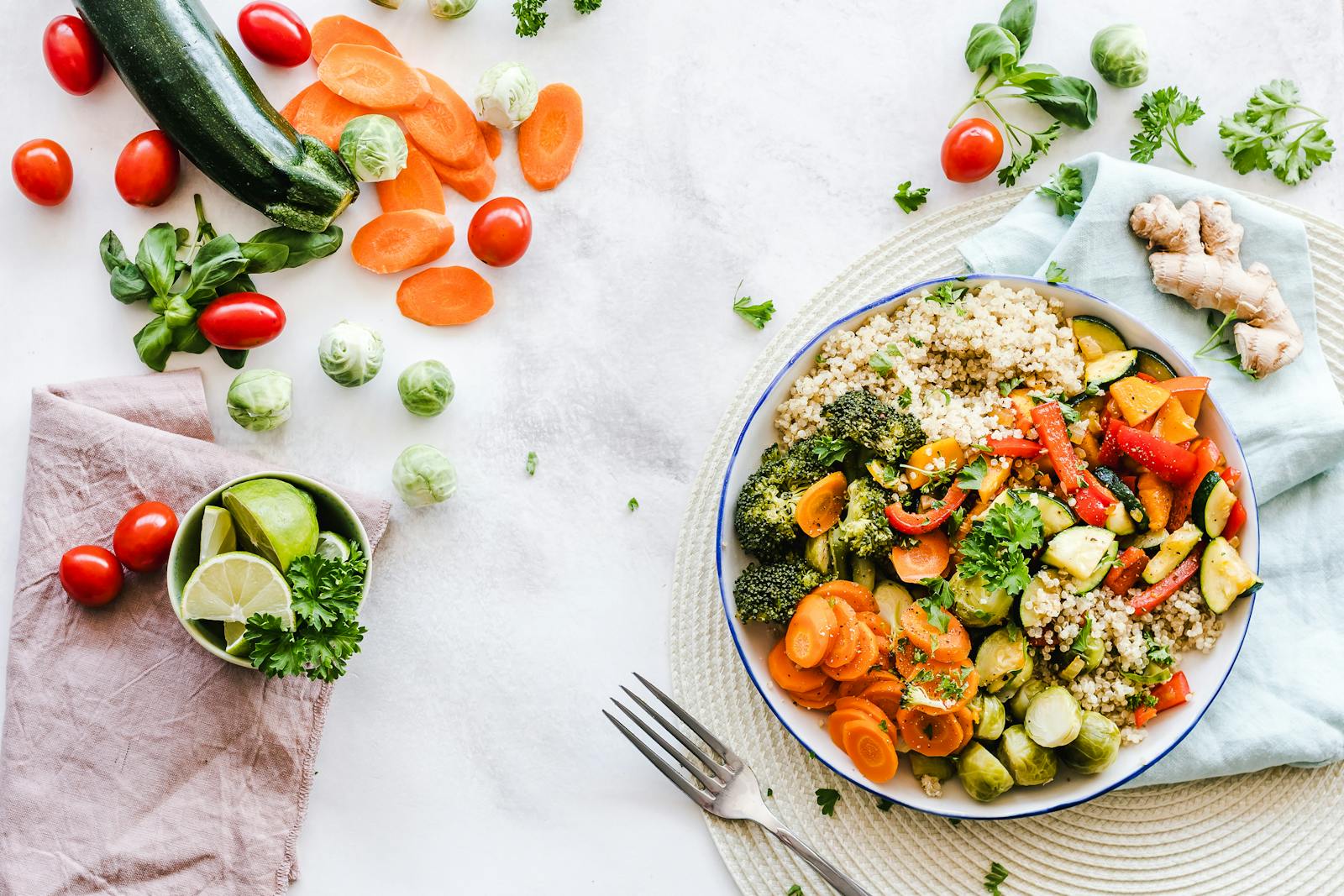
A supportive plate: an easy, porphyria-friendly day of eating
- Breakfast: Steel-cut oats with chia seeds, cinnamon, and sliced strawberries. Side of plain kefir, and a sprinkle of chopped walnuts.
- Lunch: Rainbow salad—spinach, shredded carrots, red bell pepper, chickpeas, and grilled salmon—with olive oil and lemon dressing. A small baked sweet potato on the side.
- Snack: Carrot-ginger smoothie with mango, spinach, almond butter, and water.
- Dinner: Brown rice bowl with sautéed kale, roasted butternut squash, tempeh or chicken, and a tahini-lime drizzle.
- Evening: Dandelion root tea if digestion feels heavy. Aloe gel on hands/face if there was incidental sun.
This template hits beta-carotene, vitamin C, fiber, omega-3s, and probiotic foods without being fussy.
Tracking what works
Small changes add up, but only if you keep the ones that help. Use a simple weekly tracker:
- Symptoms: skin stinging (0–10), abdominal pain (0–10), energy (0–10).
- Triggers: sun exposure time, missed meals, alcohol, new meds.
- Additions: which supplement or food focus you introduced that week.
Patterns jump out quickly—maybe your skin stings less when you hit fatty fish twice weekly, or energy lifts after CoQ10. Bring your notes to appointments; clinicians love clear data.
When to pause or seek help fast
- Any signs of an acute attack: severe abdominal pain, dark urine, vomiting, weakness, new neurological symptoms. Don’t delay—use your emergency plan.
- New rash or breathing trouble after a supplement. Stop and get care.
- Ongoing nausea, jaundice (yellowing skin/eyes), or severe fatigue. These can signal liver stress that needs evaluation.
- Planned surgery or new medications. Review all supplements with your care team ahead of time to avoid interactions.
Quick reference: the 10 supports at a glance
- Beta-carotene–rich foods: help light tolerance in cutaneous forms; food-first approach is safest.
- Chlorella: potential binder and antioxidant; start low; watch GI and interactions.
- Vitamin C: antioxidant and collagen support; 250–500 mg/day if supplementing.
- Milk thistle: liver support; 140–175 mg silymarin twice daily; check interactions.
- Probiotics: gut-liver axis support; start with foods or a simple blend.
- Activated charcoal: situational use only; keep far from meds.
- Omega-3s: anti-inflammatory; 1,000–2,000 mg EPA+DHA/day or fish 2–3x weekly.
- Dandelion root: bile flow and digestion; tea or capsules; gallbladder caution.
- CoQ10: energy and antioxidant; 100–200 mg/day with fat; watch warfarin.
- Aloe vera: topical soothing; purified juice cautiously for gut comfort.
The point isn’t to swallow a dozen pills. It’s to choose the few that make you feel better, live your life with fewer flares, and keep your medical team in the loop. Porphyria management thrives on steady habits: sunlight savvy, reliable meals, safe medications, and targeted supports. Build those into your routine, and the condition stops running the show—you do.