Building muscle on a vegetarian diet is not only possible but also highly effective if you choose the right protein sources. Protein is essential for muscle repair, growth, and overall recovery after exercise, making it crucial to find high-quality plant-based proteins that provide all the necessary amino acids. While many people assume that protein comes only from animal products, there are numerous vegetarian-friendly foods that are packed with protein and can support muscle development just as effectively.
In this article, we will explore 22 vegetarian proteins that can help you achieve your fitness goals while maintaining a balanced and nutrient-rich diet.
1. Lentils
Lentils are a powerhouse of plant-based protein, with about 18 grams of protein per cooked cup (198 grams). They are also rich in fiber, iron, and magnesium, which are essential for muscle function and energy production. Lentils are versatile and can be added to soups, stews, or salads, making them a great option for vegetarians looking to increase their protein intake.
Benefits:
- High in protein: Provides 18 grams of protein per cooked cup.
- Rich in fiber: Supports digestion and keeps you full.
- Contains iron and magnesium: Essential for muscle function and energy.
2. Chickpeas
Also known as garbanzo beans, chickpeas are a rich source of protein and essential nutrients. A cup of cooked chickpeas provides about 15 grams of protein. Chickpeas are also loaded with fiber, which supports digestive health, and iron, which is crucial for transporting oxygen to your muscles.
Chickpeas can be used in salads, stews, or blended into hummus for a delicious and protein-packed snack.
Benefits:
- Rich in protein: Provides 15 grams of protein per cup.
- Contains fiber and iron: Supports muscle health and energy levels.
- Versatile: Can be used in a variety of dishes.
3. Quinoa
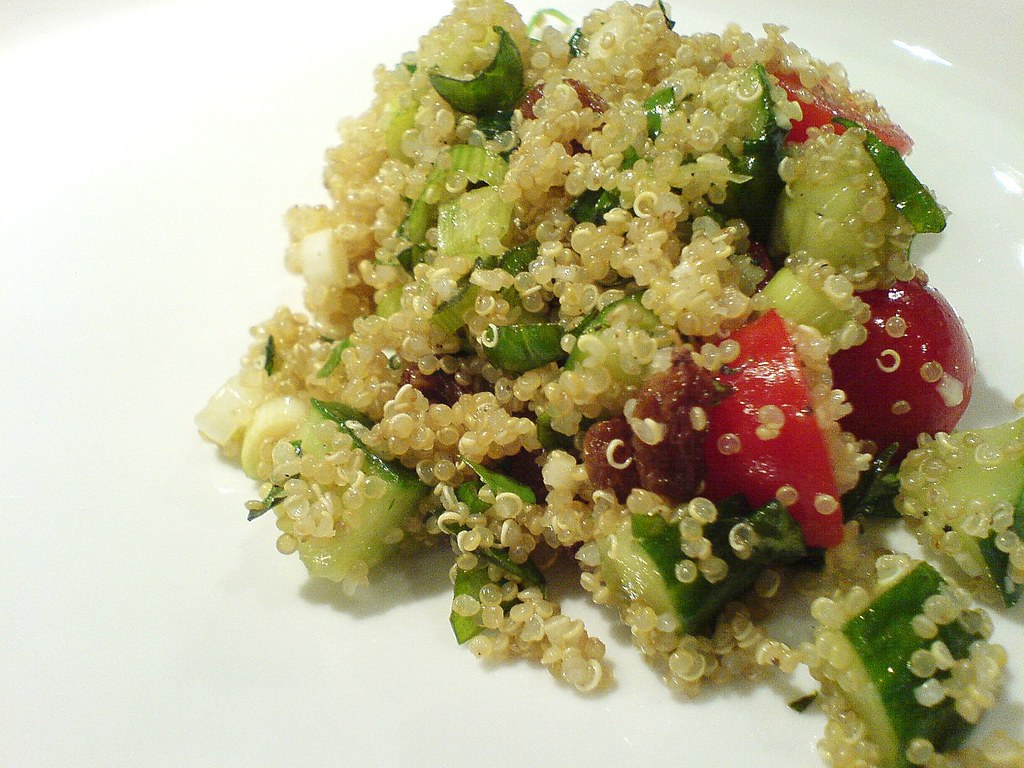
Quinoa is a complete plant-based protein, meaning it contains all nine essential amino acids required for muscle repair and growth. One cup of cooked quinoa provides about 8 grams of protein, along with a healthy dose of fiber, magnesium, and iron. Quinoa is gluten-free and versatile, making it a great option for vegetarian muscle-builders.
Quinoa can be used as a side dish, in salads, or as a base for bowls, providing a balanced source of protein and carbohydrates.
Benefits:
- Complete protein: Contains all essential amino acids.
- Rich in fiber and magnesium: Supports muscle function and recovery.
- Gluten-free: Suitable for gluten-sensitive individuals.
4. Tofu
Tofu, made from soybeans, is one of the best sources of vegetarian protein, providing about 10 grams of protein per ½ cup (124 grams) serving. It’s a complete protein, meaning it contains all the essential amino acids needed for muscle growth. Tofu is also rich in calcium and iron, which support bone health and muscle function.
Tofu can be grilled, stir-fried, or added to soups, making it a versatile and protein-rich addition to any meal.
Benefits:
- Complete protein source: Provides all essential amino acids.
- Rich in calcium and iron: Supports muscle and bone health.
- Versatile: Can be used in a wide variety of dishes.
5. Tempeh
Tempeh is another soy-based protein that is fermented, making it easier to digest than tofu. A 3-ounce serving of tempeh provides about 21 grams of protein, making it one of the richest plant-based protein sources available. Tempeh is also high in fiber, iron, and probiotics, which support gut health and muscle recovery.
Tempeh can be grilled, sautéed, or added to salads and stir-fries for a protein-packed meal.
Benefits:
- High in protein: Provides 21 grams of protein per serving.
- Contains probiotics: Supports gut health and digestion.
- Rich in iron: Promotes muscle function and recovery.
6. Edamame
Edamame, or young soybeans, are an excellent source of plant-based protein, with about 17 grams of protein per cooked cup (155 grams). They are also rich in fiber, iron, and calcium, making them a great snack or addition to salads and stir-fries for muscle-building vegetarians.
Edamame is a great source of energy and supports muscle recovery, making it a convenient pre- or post-workout snack.
Benefits:
- Rich in protein: Provides 17 grams of protein per cup.
- Contains fiber and iron: Supports muscle recovery and energy.
- Convenient snack: Easy to incorporate into meals.
7. Seitan
Seitan is made from wheat gluten and is one of the highest plant-based protein sources, with about 25 grams of protein per 3.5-ounce (100-gram) serving. It has a texture similar to meat, making it a popular choice for vegetarians looking to mimic meat in their diets. Seitan is also low in carbohydrates and fat, making it ideal for building lean muscle.
Seitan can be sautéed, grilled, or added to stir-fries and sandwiches.
Benefits:
- Extremely high in protein: Provides 25 grams of protein per serving.
- Meat-like texture: Great for vegetarians transitioning to a plant-based diet.
- Low in fat and carbs: Ideal for lean muscle building.
8. Pea Protein
Pea protein is derived from yellow peas and is an excellent source of vegetarian protein. A typical serving of pea protein powder provides about 20–25 grams of protein, depending on the brand. Pea protein is also rich in branched-chain amino acids (BCAAs), which are crucial for muscle growth and recovery.
Pea protein powder can be added to smoothies, oatmeal, or baked goods for a protein boost.
Benefits:
- High in protein: Provides 20–25 grams of protein per serving.
- Rich in BCAAs: Supports muscle repair and growth.
- Easily digestible: Ideal for post-workout recovery.
9. Hemp Seeds
Hemp seeds are a complete plant-based protein, providing about 10 grams of protein per 3 tablespoons. They are also rich in omega-3 fatty acids, which help reduce inflammation and promote muscle recovery. In addition to protein, hemp seeds are high in magnesium and iron, which support muscle function.
Hemp seeds can be added to smoothies, yogurt, or sprinkled on salads for an easy protein boost.
Benefits:
- Complete protein source: Contains all essential amino acids.
- Rich in omega-3s: Reduces inflammation and supports recovery.
- High in magnesium: Promotes muscle function.
10. Chia Seeds
Chia seeds are nutrient-dense and provide about 5 grams of protein per 1-ounce serving (28 grams). They are also rich in fiber, omega-3 fatty acids, and antioxidants, all of which support muscle recovery and overall health. Chia seeds absorb liquid and expand, making them great for smoothies, puddings, and yogurt toppings.
Benefits:
- Rich in protein and fiber: Supports muscle growth and satiety.
- Contains omega-3s: Helps reduce muscle inflammation.
- Antioxidant-rich: Supports overall health and recovery.
11. Black Beans
Black beans are packed with protein and fiber, providing about 15 grams of protein per cooked cup (172 grams). They are also rich in antioxidants, iron, and magnesium, all of which support muscle recovery and energy production.
Black beans are versatile and can be added to soups, salads, burritos, or used as a side dish.
Benefits:
- High in protein and fiber: Supports muscle growth and digestion.
- Rich in antioxidants and iron: Promotes energy and recovery.
- Versatile: Can be used in a variety of dishes.
12. Peanut Butter
Peanut butter is rich in both protein and healthy fats, with about 8 grams of protein per 2 tablespoons. It is also high in calories, making it ideal for those looking to build muscle and gain weight. Peanut butter is also a good source of vitamin E, which helps reduce inflammation.
Peanut butter can be added to smoothies, oatmeal, or spread on whole-grain bread for a delicious and protein-packed snack.
Benefits:
- Rich in protein and healthy fats: Supports muscle growth and recovery.
- High in calories: Ideal for gaining muscle mass.
- Contains vitamin E: Helps reduce inflammation.
13. Almonds
Almonds are another great source of plant-based protein, with about 6 grams of protein per 1-ounce serving (28 grams). They are also rich in vitamin E, fiber, and healthy fats, which help support muscle recovery and reduce inflammation.
Almonds can be enjoyed as a snack or added to salads, smoothies, or oatmeal.
Benefits:
- Rich in protein and healthy fats: Supports muscle repair and energy.
- Contains vitamin E: Reduces inflammation and promotes recovery.
- High in fiber: Supports digestion and satiety.
14. Nutritional Yeast
Nutritional yeast is a deactivated yeast that is high in protein and provides about 8 grams of protein per 2 tablespoons. It is also rich in B vitamins, which help boost energy levels and support muscle function. Nutritional yeast has a cheesy flavor and can be sprinkled on popcorn, pasta, or used in sauces.
Benefits:
- Rich in protein and B vitamins: Supports energy and muscle function.
- Vegan-friendly: Ideal for plant-based diets.
- Versatile: Adds flavor and nutrition to various dishes.
15. Spirulina
Spirulina is a blue-green algae that is incredibly nutrient-dense and provides about 8 grams of protein per 2 tablespoons. It is also rich in iron, magnesium, and B vitamins, all of which support muscle recovery and overall health.
Spirulina can be added to smoothies or taken as a supplement to boost your protein intake.
Benefits:
- Rich in protein and iron: Supports muscle growth and recovery.
- Contains antioxidants: Reduces inflammation and oxidative stress.
- Nutrient-dense: Provides a wide range of essential vitamins and minerals.
16. Pumpkin Seeds
Pumpkin seeds are a nutrient-dense snack that provides about 7 grams of protein per 1-ounce serving (28 grams). They are also rich in magnesium, iron, and zinc, which are important for muscle recovery and overall health. Pumpkin seeds are also high in healthy fats and antioxidants.
They can be added to salads, yogurt, or eaten on their own as a protein-packed snack.
Benefits:
- High in protein and magnesium: Supports muscle function and recovery.
- Rich in healthy fats: Promotes satiety and muscle repair.
- Contains zinc and iron: Supports energy levels and recovery.
17. Cottage Cheese
Cottage cheese is a dairy product that is rich in casein protein, which is a slow-digesting protein that helps provide a steady supply of amino acids throughout the night. A 1-cup serving provides about 28 grams of protein, making it an excellent food for muscle repair.
Cottage cheese is also rich in calcium, which supports bone health and muscle contraction.
Benefits:
- Rich in casein protein: Ideal for overnight muscle recovery.
- High in calcium: Supports bone and muscle health.
- Provides slow-digesting protein: Helps maintain muscle mass.
18. Sunflower Seeds
Sunflower seeds are another great plant-based protein source, providing about 7 grams of protein per 1-ounce serving. They are also rich in vitamin E, healthy fats, and fiber, all of which support muscle recovery and reduce inflammation.
Sunflower seeds can be added to salads, oatmeal, or enjoyed on their own as a nutritious snack.
Benefits:
- Rich in protein and vitamin E: Supports muscle repair and recovery.
- Contains healthy fats: Promotes satiety and muscle health.
- Convenient snack: Easy to incorporate into meals.
19. Green Peas
Green peas are a surprising source of plant-based protein, with about 9 grams of protein per cooked cup. They are also rich in fiber, iron, and vitamin C, all of which help support immune function and muscle recovery.
Green peas can be added to soups, salads, or enjoyed as a side dish to boost your protein intake.
Benefits:
- High in protein and fiber: Supports digestion and muscle repair.
- Rich in iron and vitamin C: Promotes immune function and energy.
- Versatile: Easy to incorporate into meals.
20. Broccoli
Broccoli is not only a great source of fiber and vitamins, but it also contains about 3 grams of protein per cooked cup. While broccoli may not be as high in protein as other plant-based foods, its rich content of vitamin C and antioxidants make it an excellent addition to any muscle-building diet.
Benefits:
- Contains fiber and antioxidants: Supports muscle health and digestion.
- Rich in vitamin C: Promotes immune function and recovery.
- Low in calories: Great for muscle-building meals.
21. Avocados
While avocados are not particularly high in protein, they contain healthy fats, fiber, and important nutrients like potassium and magnesium that support muscle function and recovery. Pairing avocados with other high-protein foods can help enhance the nutrient profile of your meals.
Avocados can be added to salads, smoothies, or used as a spread on whole-grain toast.
Benefits:
- Rich in healthy fats and fiber: Supports muscle health and recovery.
- High in potassium: Reduces muscle cramps and promotes hydration.
- Versatile: Can be used in a variety of meals.
22. Brown Rice
Brown rice is a whole grain that provides a small amount of protein along with complex carbohydrates, which are essential for energy production during workouts. A cooked cup of brown rice provides about 5 grams of protein. Combining brown rice with other high-protein foods like tofu or beans can create a balanced meal for muscle-building.
Benefits:
- Contains protein and complex carbs: Provides sustained energy for workouts.
- Rich in fiber: Supports digestion and keeps you full.
- Supports muscle recovery: Pairs well with other protein sources.
Conclusion
Building muscle on a vegetarian diet is not only possible but also highly effective with the right combination of plant-based proteins. These 22 vegetarian protein sources—from lentils and tofu to hemp seeds and quinoa—provide the essential amino acids, vitamins, and minerals necessary to support muscle growth, repair, and recovery. By incorporating these protein-packed foods into your meals, you can achieve your fitness goals while enjoying a nutrient-rich and balanced diet.