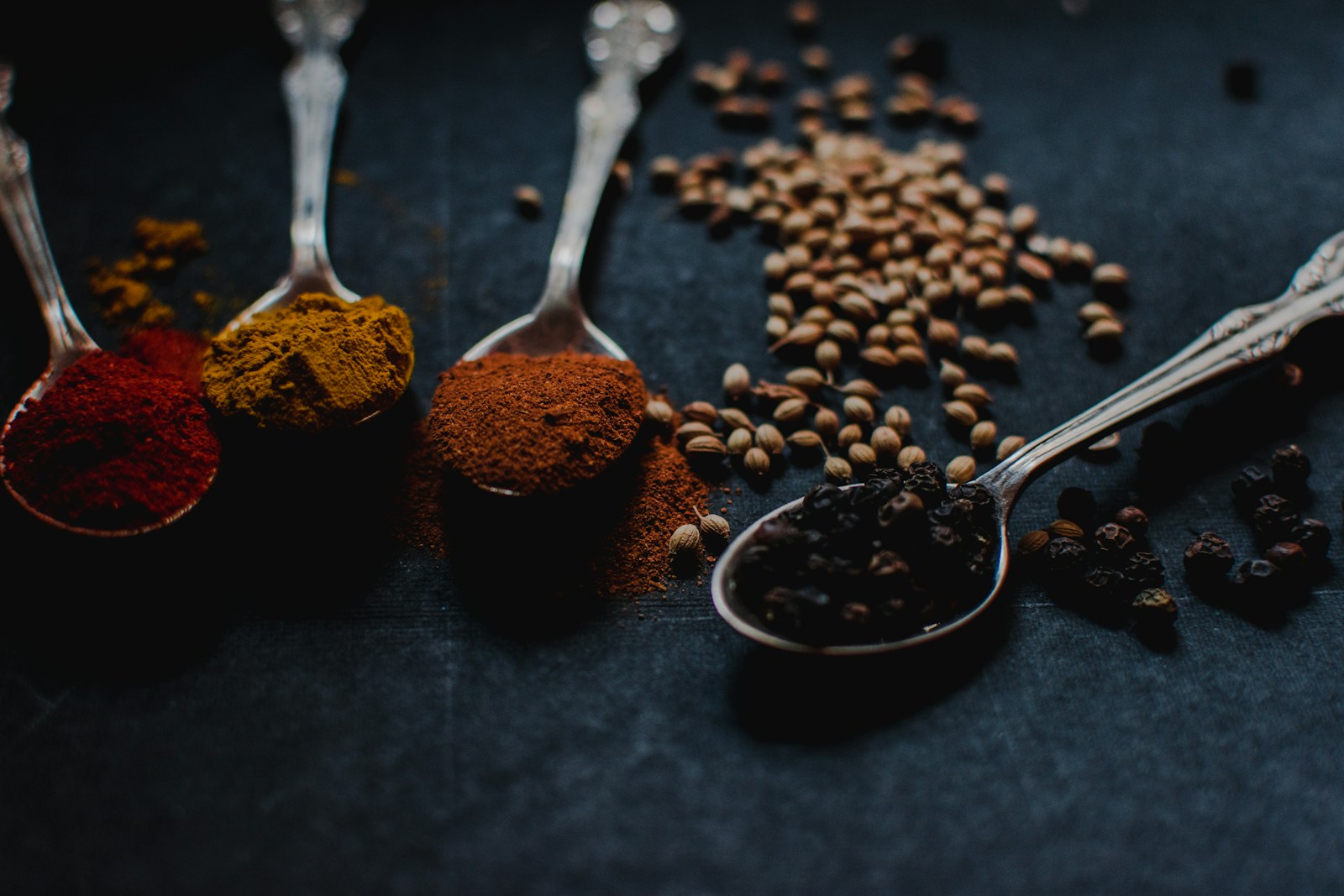
Maintaining stable blood sugar levels is crucial for managing conditions like diabetes and preventing metabolic disorders. While diet, exercise, and medication are key strategies, certain spices have shown powerful abilities to help regulate blood sugar. Many of these spices have been used in traditional medicine for centuries and are now supported by scientific research for their roles in improving insulin sensitivity, reducing inflammation, and stabilizing glucose levels. Here’s an in-depth look at 19 spices that can naturally help control blood sugar levels.
1. Cinnamon
Cinnamon is perhaps the most well-known spice for managing blood sugar levels. It contains compounds like cinnamaldehyde, which mimic the action of insulin and enhance the body’s ability to absorb glucose into cells. Studies have shown that cinnamon can lower fasting blood sugar levels and improve insulin sensitivity, making it a valuable addition for those looking to control their blood sugar naturally. Ceylon cinnamon, often called “true” cinnamon, is preferred over cassia cinnamon due to its lower coumarin content, which can be harmful in large amounts.
2. Turmeric
Turmeric is renowned for its anti-inflammatory and antioxidant properties, largely due to its active compound, curcumin. Curcumin not only reduces inflammation but also improves insulin function and helps in managing blood sugar levels. Research suggests that curcumin can prevent the development of insulin resistance and even reduce the risk of diabetes-related complications. To maximize its benefits, turmeric is often paired with black pepper, which contains piperine, a compound that enhances the absorption of curcumin.
3. Fenugreek
Fenugreek seeds are rich in soluble fiber, which slows down the absorption of carbohydrates and stabilizes blood sugar levels. This spice has long been used in traditional medicine to treat diabetes, and modern studies support its effectiveness in lowering fasting blood sugar and improving glucose tolerance. Fenugreek can be consumed in various forms, including as a powder, in capsules, or by soaking the seeds in water, making it a versatile spice for those seeking natural blood sugar control.
4. Ginger
Ginger is a powerful spice with numerous health benefits, including its ability to manage blood sugar. Research indicates that ginger can enhance insulin sensitivity, reduce fasting blood sugar, and lower levels of HbA1c, a marker of long-term blood sugar control. Its anti-inflammatory properties also contribute to better metabolic health. Ginger can be easily incorporated into your diet through teas, smoothies, or by adding it to cooked dishes, making it an accessible way to support healthy blood sugar levels.
5. Garlic
Garlic is widely known for its cardiovascular benefits, but it also plays a significant role in regulating blood sugar. The sulfur compounds in garlic, particularly allicin, have been shown to improve insulin sensitivity and lower fasting blood sugar levels. Regular consumption of garlic can help in stabilizing glucose levels and reducing the risk of diabetes-related complications. Whether added fresh to dishes or taken as a supplement, garlic offers both flavor and medicinal benefits for blood sugar control.
6. Cumin
Cumin is a staple spice in many cuisines and is traditionally used in Ayurvedic medicine for its blood sugar-lowering properties. Studies have demonstrated that cumin can reduce fasting blood sugar, improve insulin sensitivity, and even lower cholesterol levels. Cumin’s warm, earthy flavor makes it a versatile spice that can be used in spice blends, soups, stews, and rice dishes, adding both depth of flavor and health benefits to meals.
7. Cloves
Cloves are rich in antioxidants and have been shown to improve insulin function and regulate blood sugar levels. They contain compounds like eugenol, which have strong anti-inflammatory and blood sugar-lowering effects. In addition to their medicinal properties, cloves offer a warm, aromatic flavor that can be used in both sweet and savory dishes. Whether added to teas, baked goods, or curries, cloves provide a potent health boost.
8. Cardamom
Cardamom is another spice with potential benefits for blood sugar control. Known for its distinctive aroma and flavor, cardamom contains compounds that can improve insulin sensitivity and reduce inflammation, both of which are crucial for maintaining stable blood sugar levels. Often used in teas, desserts, and spice blends, cardamom adds both flavor and health benefits, making it a valuable addition to your diet if you’re managing blood sugar issues.
9. Coriander
Coriander seeds, commonly used in various global cuisines, have been shown to have hypoglycemic effects, making them useful for blood sugar management. Coriander works by stimulating insulin secretion and enhancing glucose utilization in the body. Whether used in cooking or as an infusion, coriander seeds can be a simple yet effective way to support healthy blood sugar levels. The spice’s versatility allows it to be incorporated into a wide range of dishes, from soups and curries to baked goods.
10. Bay Leaves
Bay leaves have a long history of use in managing diabetes, with studies showing that they can improve insulin function and lower blood sugar levels. The active compounds in bay leaves help regulate glucose and cholesterol levels, offering multiple benefits for overall metabolic health. Bay leaves are commonly used in soups, stews, and sauces, infusing dishes with a subtle, earthy flavor while delivering health benefits.
11. Oregano
Oregano is a powerful herb with antioxidant and anti-inflammatory properties that can help manage blood sugar levels. Carvacrol, a compound found in oregano, has been shown to improve insulin sensitivity and reduce glucose levels in the bloodstream. Oregano’s robust flavor makes it a staple in Mediterranean cuisine, and it can be used both fresh and dried in a variety of dishes, from salads and sauces to roasted meats.
12. Sage
Sage has been recognized for centuries for its medicinal properties, particularly its ability to manage blood sugar. Sage enhances insulin sensitivity and has been shown to lower fasting blood sugar levels in both animal and human studies. The herb is often consumed as a tea or used as a seasoning in cooking. Its earthy, slightly peppery flavor makes it a versatile ingredient that pairs well with meats, vegetables, and even baked goods.
13. Basil
Holy basil, also known as tulsi, is a revered herb in Ayurvedic medicine and is well-known for its blood sugar-lowering properties. Studies have found that holy basil can reduce fasting blood glucose and improve insulin function. Regular consumption of holy basil, whether in teas or as a seasoning in dishes, can contribute to better glucose management. Its slightly sweet and peppery flavor adds a unique taste to a variety of dishes.
14. Rosemary
Rosemary is more than just a fragrant herb; it also offers benefits for blood sugar control. The compounds in rosemary, such as rosmarinic acid, help improve insulin sensitivity and reduce oxidative stress, both of which are crucial for maintaining healthy blood sugar levels. Rosemary is often used in Mediterranean cuisine and can be added to a variety of dishes, including roasted vegetables, meats, and stews, offering both flavor and health benefits.
15. Black Pepper
Black pepper is a common spice that contains piperine, a compound that not only enhances the absorption of other nutrients but also has blood sugar-lowering properties. Piperine has been shown to improve insulin sensitivity and glucose metabolism, making black pepper an important addition to any diet focused on blood sugar management. Its versatile flavor allows it to be used in virtually any savory dish, from salads and soups to main courses.
16. Allspice
Allspice, often used in both sweet and savory dishes, is another spice with properties that can help regulate blood sugar levels. Eugenol, a compound found in allspice, has been shown to improve insulin function and reduce inflammation, both of which are essential for controlling blood sugar. Whether used in marinades, baked goods, or spice rubs, allspice adds a warm, aromatic flavor that enhances both the taste and health profile of your meals.
17. Nutmeg
Nutmeg is a warming spice often used in baking and beverages, and it also offers potential benefits for blood sugar control. Some research suggests that nutmeg may have anti-diabetic properties, helping to improve insulin sensitivity and glucose regulation. While more studies are needed, incorporating nutmeg into your diet in moderation could provide additional support for managing blood sugar levels.
18. Turmeric Leaves
Although less common than the root, turmeric leaves are used in traditional medicine and have similar properties to turmeric root. The leaves contain curcumin and other compounds that help regulate blood sugar and reduce inflammation. Turmeric leaves can be used in teas, curries, and rice dishes, offering both medicinal benefits and a unique flavor profile.
19. Chili Pepper
Chili peppers contain capsaicin, a compound that not only adds heat to your dishes but also has metabolic benefits, including improving insulin sensitivity and promoting better glucose control. Spicy foods made with chili peppers can increase your metabolic rate and support healthy blood sugar levels. Whether added to soups, stews, or marinades, chili peppers offer both flavor and health benefits, making them a great addition to a balanced diet.
Conclusion: Using Spices to Support Blood Sugar Control
Incorporating these spices into your diet can be a natural and effective way to help manage blood sugar levels and improve metabolic health. While these spices should not replace conventional treatments, they can complement a balanced diet and healthy lifestyle. Whether you’re looking to add flavor to your meals or seeking natural ways to support your health, these spices offer both culinary and therapeutic benefits. By integrating them into your daily routine, you can enhance your meals while taking proactive steps toward better blood sugar control.