Maintaining healthy lung function and improving lung capacity is essential for overall well-being, especially as we age or face environmental challenges like pollution. Our lungs play a crucial role in oxygenating the blood and expelling carbon dioxide, and they are constantly exposed to airborne toxins, pollutants, and allergens. In addition to exercise and breathing techniques, diet can have a significant impact on lung health. Certain foods can help reduce inflammation, improve lung function, and even enhance lung capacity by supplying the body with vital nutrients and antioxidants.
This article explores the 16 best foods for improving lung capacity and supporting respiratory health. These foods are rich in vitamins, minerals, antioxidants, and anti-inflammatory compounds that protect the lungs, enhance breathing, and promote overall respiratory function.
1. Beetroot
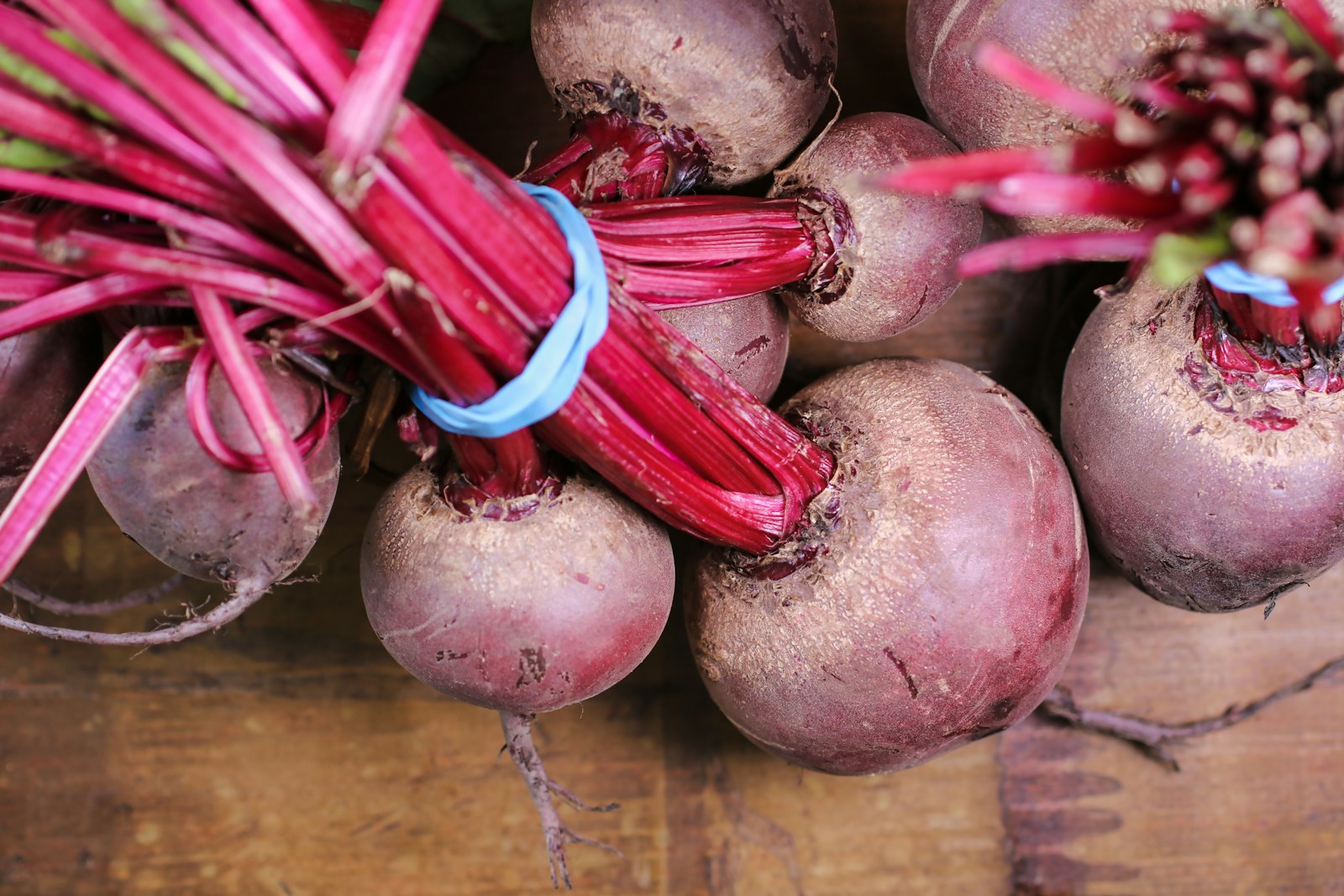
Beetroot is a vibrant red root vegetable that is rich in nitrates, which have been shown to improve lung function and increase oxygen efficiency. Nitrates help dilate blood vessels, improving blood flow and oxygen delivery to the lungs and other parts of the body. This enhanced oxygenation can help improve lung capacity and endurance during physical activities.
Beetroot also contains antioxidants like vitamin C and beta-carotene, which help reduce inflammation and protect lung tissue from oxidative stress. Studies suggest that beetroot juice may improve exercise performance, particularly in athletes and individuals with compromised lung function, such as those with chronic obstructive pulmonary disease (COPD).
Adding beetroot to your diet is easy—whether as beet juice, roasted beets, or added to salads and smoothies. Its ability to increase oxygen uptake makes it a powerful ally in supporting lung health and improving breathing capacity.
2. Garlic
Garlic is known for its strong anti-inflammatory and antioxidant properties, which can help reduce inflammation in the lungs and improve lung function. Allicin, the active compound in garlic, has been shown to have antimicrobial and anti-inflammatory effects that may protect the lungs from infections and reduce the risk of respiratory illnesses.
Research suggests that regular consumption of garlic may help reduce the risk of lung cancer and other respiratory conditions due to its ability to neutralize free radicals and protect against cell damage. Garlic can also help clear mucus and support respiratory health during colds or respiratory infections.
Adding garlic to your daily diet—whether in stir-fries, soups, or as part of marinades—can support lung health by reducing inflammation and enhancing immune function, helping to improve overall lung capacity.
3. Apples
Apples are rich in quercetin, a powerful antioxidant that helps reduce lung inflammation and protect against oxidative stress. Studies have found that regular consumption of apples is associated with better lung function and a lower risk of developing chronic respiratory conditions such as asthma and COPD. Quercetin has also been shown to help relax the airway muscles, making it easier to breathe.
In addition to quercetin, apples provide a good amount of vitamin C, which supports immune function and helps protect lung tissue from damage caused by pollutants and environmental toxins. The combination of antioxidants in apples makes them a great choice for anyone looking to improve their lung health and increase lung capacity.
Eating an apple a day, or incorporating apples into smoothies, salads, or oatmeal, can help support lung function and protect against respiratory issues.
4. Turmeric
Turmeric, a bright yellow spice commonly used in Indian cuisine, contains curcumin, a potent anti-inflammatory and antioxidant compound that helps reduce lung inflammation and improve lung function. Curcumin has been shown to have protective effects against lung damage caused by pollution, smoking, and other environmental toxins.
Curcumin works by neutralizing free radicals and reducing oxidative stress, which can damage lung tissue and impair lung capacity. Some studies suggest that curcumin may help improve lung function in individuals with asthma and COPD, as it helps reduce airway inflammation and promotes smoother breathing.
Incorporating turmeric into your diet—whether in curries, soups, or smoothies—can help reduce inflammation, improve lung capacity, and protect against respiratory diseases. Pairing turmeric with black pepper enhances curcumin absorption, making it even more effective.
5. Ginger
Ginger is a well-known remedy for digestive issues, but it also offers significant benefits for lung health. Ginger has anti-inflammatory and antioxidant properties that help reduce lung inflammation, clear airways, and improve breathing. The active compounds in ginger, such as gingerol, have been shown to relax bronchial muscles and enhance lung function.
Ginger can help reduce symptoms of respiratory conditions like asthma and bronchitis by improving airflow and reducing inflammation in the airways. It can also help remove excess mucus from the lungs, making it easier to breathe and improving lung capacity.
You can add ginger to your diet by incorporating it into teas, smoothies, stir-fries, or soups. Ginger tea, in particular, is a soothing way to support lung health and enhance respiratory function.
6. Tomatoes
Tomatoes are an excellent source of lycopene, a powerful antioxidant that has been shown to improve lung function and protect against lung damage caused by oxidative stress and inflammation. Lycopene helps neutralize free radicals, which can damage lung tissue and impair respiratory health.
Studies have found that consuming tomatoes regularly can help improve lung capacity, particularly in individuals with asthma and COPD. Tomatoes also contain vitamin C and other antioxidants that support immune function and protect the lungs from environmental toxins.
Incorporating tomatoes into your diet—whether in salads, sauces, or soups—can help enhance lung capacity and protect against respiratory conditions. Cooking tomatoes increases the bioavailability of lycopene, making it easier for the body to absorb this powerful antioxidant.
7. Carrots
Carrots are rich in beta-carotene, a precursor to vitamin A that plays a crucial role in lung health. Vitamin A helps maintain healthy lung tissue and supports the immune system, making it essential for protecting the lungs from infections and damage. Beta-carotene also has antioxidant properties that help reduce inflammation in the lungs and improve lung function.
Regular consumption of carrots has been associated with better lung capacity and a lower risk of respiratory issues. Carrots are also a good source of vitamin C and potassium, both of which contribute to overall lung health.
Whether eaten raw, roasted, or blended into smoothies, carrots are an easy and delicious way to support lung function and enhance lung capacity.
8. Spinach
Spinach is a nutrient-dense leafy green that is rich in antioxidants like vitamin C, beta-carotene, and flavonoids, all of which help protect the lungs from oxidative stress and inflammation. Spinach is also high in magnesium, a mineral that helps relax the bronchial muscles and improve airflow.
Spinach has been shown to improve lung function and protect against respiratory conditions, thanks to its combination of anti-inflammatory and antioxidant properties. It’s also a great source of iron, which is essential for transporting oxygen throughout the body and maintaining healthy lung function.
Adding spinach to your diet—whether in salads, smoothies, or sautéed as a side dish—can help enhance lung capacity and protect against respiratory damage.
9. Salmon
Salmon is rich in omega-3 fatty acids, which are known for their anti-inflammatory properties. Omega-3s help reduce inflammation in the lungs, improve lung function, and protect against respiratory conditions like asthma and COPD. Omega-3 fatty acids also support cardiovascular health, which is closely linked to lung function.
In addition to omega-3s, salmon is a great source of vitamin D, which plays a crucial role in lung health by supporting immune function and reducing inflammation. Studies suggest that individuals with higher vitamin D levels tend to have better lung function and a lower risk of respiratory infections.
Including salmon in your diet a few times a week—whether grilled, baked, or added to salads—can help improve lung capacity and protect against lung damage caused by inflammation.
10. Blueberries
Blueberries are packed with antioxidants, particularly anthocyanins, which give them their deep blue color. Anthocyanins have been shown to reduce oxidative stress in the lungs and protect against lung damage caused by environmental pollutants and toxins. Blueberries are also rich in vitamin C, which supports immune function and helps protect lung tissue.
Research suggests that consuming blueberries regularly may help improve lung function and reduce the risk of developing chronic respiratory conditions like COPD. The antioxidants in blueberries help neutralize free radicals, reducing inflammation and promoting better breathing.
You can enjoy blueberries on their own, added to smoothies, or sprinkled over yogurt or oatmeal for a delicious and nutrient-rich way to support lung health.
11. Green Tea
Green tea is rich in polyphenols, particularly epigallocatechin gallate (EGCG), which has been shown to have powerful anti-inflammatory and antioxidant properties. Green tea helps reduce inflammation in the lungs, protect against oxidative stress, and improve lung function.
Research suggests that regular consumption of green tea may help reduce the risk of chronic respiratory conditions, including asthma and COPD, by improving airflow and reducing lung inflammation. Green tea also contains theanine, an amino acid that helps relax the airway muscles, making breathing easier.
Drinking green tea daily is a simple way to support lung capacity and overall respiratory health. Whether enjoyed hot or iced, green tea offers a natural way to protect your lungs and enhance breathing.
12. Walnuts
Walnuts are one of the best plant-based sources of omega-3 fatty acids, which have been shown to reduce inflammation in the lungs and improve lung function. Omega-3s help reduce the risk of respiratory conditions like asthma and COPD, making walnuts an excellent food for supporting lung health.
In addition to omega-3s, walnuts are rich in antioxidants like vitamin E and polyphenols, which help protect the lungs from oxidative damage and improve overall respiratory function. Walnuts are also a good source of magnesium, which helps relax the bronchial muscles and improve airflow.
You can add walnuts to salads, oatmeal, yogurt, or enjoy them as a snack to boost your lung capacity and protect against respiratory issues.
13. Oranges
Oranges are known for their high vitamin C content, which plays a key role in supporting lung health. Vitamin C helps protect the lungs from oxidative damage, reduce inflammation, and improve immune function. Studies have shown that individuals with higher vitamin C intake tend to have better lung function and a lower risk of developing respiratory conditions.
In addition to vitamin C, oranges are rich in antioxidants like flavonoids, which help protect the lungs from environmental pollutants and toxins. Oranges also contain potassium, which helps regulate fluid balance and support healthy lung function.
Eating oranges or drinking freshly squeezed orange juice can help boost your vitamin C intake and improve lung capacity, making it easier to breathe and reducing the risk of respiratory issues.
14. Broccoli
Broccoli is a cruciferous vegetable that is packed with antioxidants, particularly sulforaphane, which has been shown to improve lung function and protect against oxidative stress. Sulforaphane helps the body remove toxins and pollutants from the lungs, reducing inflammation and improving breathing capacity.
Broccoli is also rich in vitamin C, beta-carotene, and vitamin K, all of which contribute to healthy lung function and support the immune system. Regular consumption of broccoli has been linked to improved lung health and a lower risk of developing respiratory conditions.
Incorporating broccoli into your diet—whether steamed, roasted, or added to soups—can help enhance lung capacity and protect against lung damage.
15. Pomegranates
Pomegranates are rich in antioxidants, particularly polyphenols like ellagic acid and punicalagin, which help reduce inflammation in the lungs and protect against oxidative damage. Pomegranates have been shown to improve lung function by neutralizing free radicals and reducing the risk of respiratory conditions.
In addition to their antioxidant properties, pomegranates are a good source of vitamin C, which supports immune function and helps protect lung tissue from damage. Drinking pomegranate juice or eating the seeds regularly can help improve lung capacity and protect against lung inflammation.
16. Sweet Potatoes
Sweet potatoes are rich in beta-carotene, a powerful antioxidant that helps protect the lungs from oxidative damage and supports healthy lung function. Beta-carotene is converted into vitamin A in the body, which is essential for maintaining healthy lung tissue and supporting the immune system.
Sweet potatoes also contain vitamin C and potassium, both of which contribute to overall lung health. Regular consumption of sweet potatoes has been associated with improved lung capacity and a lower risk of respiratory conditions.
Sweet potatoes can be roasted, mashed, or added to soups and salads, providing a delicious and nutritious way to support lung function and enhance respiratory health.
Conclusion
Maintaining healthy lungs and improving lung capacity is crucial for overall well-being, especially as we age or face environmental challenges. The 16 foods listed above are rich in antioxidants, vitamins, minerals, and anti-inflammatory compounds that support lung health, reduce inflammation, and enhance breathing.
From beetroot and garlic to turmeric and salmon, these nutrient-dense foods offer a natural way to protect your lungs from oxidative stress, improve oxygen efficiency, and support overall respiratory function. By incorporating these foods into your daily diet, you can help improve lung capacity, reduce the risk of respiratory issues, and promote better overall health.
Whether you’re adding more blueberries and spinach to your meals, sipping on green tea, or enjoying the anti-inflammatory benefits of ginger and turmeric, these foods will help keep your lungs healthy and strong, allowing you to breathe easier and feel your best.