Copper is a trace mineral that plays an essential role in various bodily functions, from the formation of red blood cells to maintaining nerve health and supporting the immune system. It is vital for the absorption and utilization of iron, the production of collagen, and the functioning of the nervous system. Additionally, copper is involved in the production of melanin, which is responsible for skin pigmentation. Although copper is required in small amounts, a deficiency can lead to a variety of health issues such as anemia, fatigue, bone weakness, and immune dysfunction.
Copper deficiency is relatively rare, but it can occur in individuals with malabsorption conditions, those who are on restrictive diets, or those who take high doses of zinc supplements, which can interfere with copper absorption. To maintain optimal health, it is important to include copper-rich foods in your diet. In this article, we’ll explore the 11 best copper-rich foods for people with copper deficiency and how they can help restore your copper levels and support overall well-being.
1. Liver
Liver, particularly beef liver, is one of the richest sources of dietary copper. Just a small serving of beef liver can provide more than the recommended daily intake of copper. A 3-ounce (85-gram) serving of cooked beef liver contains approximately 12 milligrams of copper, which is well above the daily recommended amount for adults (0.9 milligrams).
Liver is also rich in other essential nutrients like iron, vitamin A, vitamin B12, and folate, making it an excellent food for overall health and vitality. Its high copper content helps support red blood cell production, iron absorption, and collagen formation, all of which are crucial for preventing copper deficiency symptoms such as fatigue and anemia.
However, because liver contains such high levels of copper, it is important to consume it in moderation, as excess copper intake can lead to toxicity. Including liver in your diet once a week can help boost copper levels without exceeding the recommended intake.
2. Shellfish (Oysters, Lobster, Crab)
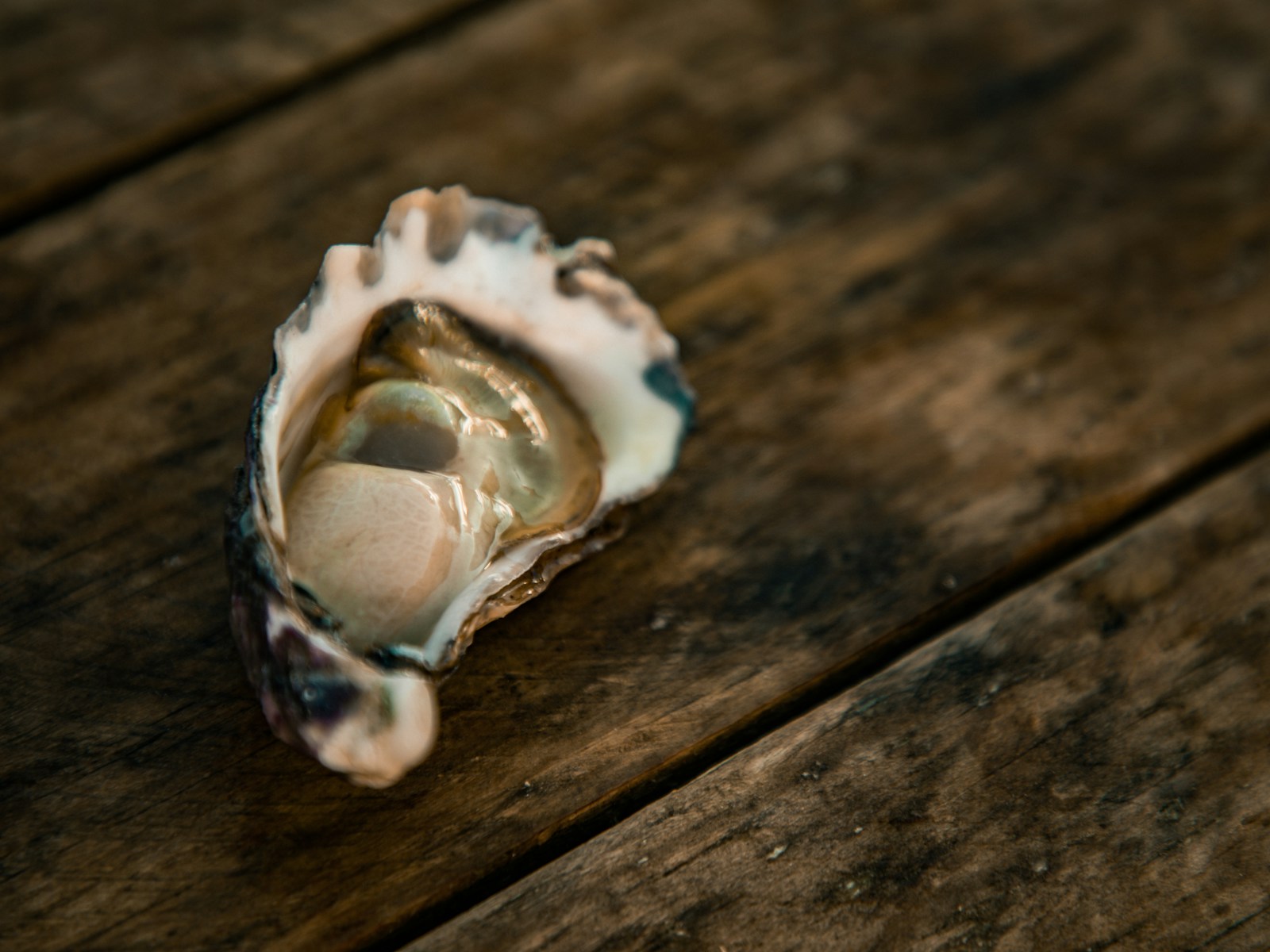
Shellfish, particularly oysters, lobster, and crab, are excellent sources of copper. Oysters are especially rich in copper, with a 3-ounce serving providing around 7.6 milligrams of copper, which is more than 800% of the daily recommended intake. Lobster and crab are also great sources of copper, providing about 1.8 milligrams per 3-ounce serving.
Shellfish are not only rich in copper but also provide other essential nutrients like zinc, selenium, vitamin B12, and omega-3 fatty acids, all of which contribute to overall health. Copper from shellfish is highly bioavailable, meaning it is easily absorbed and utilized by the body, making these foods particularly effective in addressing copper deficiency.
Including shellfish in your diet once or twice a week can help raise copper levels and support important functions such as immune health, bone strength, and iron metabolism. For those who cannot consume shellfish, copper-rich plant foods can be a good alternative.
3. Dark Chocolate
For those with a sweet tooth, dark chocolate provides a delicious way to boost copper intake. Dark chocolate, especially varieties with a high cocoa content (70% or higher), is surprisingly rich in copper. A 1-ounce (28-gram) serving of dark chocolate provides around 0.5 milligrams of copper, which is more than half of the daily recommended intake.
In addition to its copper content, dark chocolate is packed with antioxidants, particularly flavonoids, which help protect the body from oxidative stress and inflammation. These antioxidants also promote heart health by improving blood flow and reducing the risk of cardiovascular disease.
Eating a small piece of dark chocolate as a daily treat can help support copper levels and provide additional health benefits, making it a guilt-free indulgence for people with copper deficiency. Just be sure to choose high-quality dark chocolate with minimal added sugars for maximum health benefits.
4. Nuts and Seeds (Sunflower Seeds, Cashews, Almonds)
Nuts and seeds are not only a great source of healthy fats, fiber, and protein, but they are also rich in copper. Sunflower seeds and cashews are particularly high in copper, making them excellent choices for people with copper deficiency. A 1-ounce serving of sunflower seeds provides approximately 0.5 milligrams of copper, while the same amount of cashews contains about 0.6 milligrams.
Other nuts such as almonds, hazelnuts, and walnuts also contain smaller amounts of copper and can contribute to overall copper intake. In addition to copper, nuts and seeds are packed with vitamin E, magnesium, and antioxidants, which support heart health and reduce inflammation.
Nuts and seeds make for a convenient and nutritious snack or can be added to salads, yogurt, or oatmeal for a copper-rich boost. Including a variety of nuts and seeds in your diet regularly can help improve copper levels and provide other essential nutrients for overall health.
5. Mushrooms
Certain types of mushrooms, such as shiitake mushrooms, are excellent plant-based sources of copper. A 1-cup serving of cooked shiitake mushrooms contains around 1.3 milligrams of copper, which is more than 100% of the daily recommended intake.
Mushrooms are also rich in other important nutrients such as vitamin D, selenium, and antioxidants that help support the immune system, reduce inflammation, and promote overall health. Shiitake mushrooms, in particular, are known for their immune-boosting and anti-cancer properties, making them a valuable addition to a healthy diet.
Mushrooms can be added to soups, stir-fries, pasta dishes, or enjoyed as a side dish, making them a versatile and delicious way to boost copper intake. Including mushrooms in your meals a few times a week can help prevent copper deficiency while supporting overall well-being.
6. Lentils
Lentils are a nutritious and versatile legume that provides a good source of copper, particularly for those following a plant-based diet. A 1-cup serving of cooked lentils contains approximately 0.5 milligrams of copper, which is more than half of the daily recommended intake.
In addition to copper, lentils are rich in protein, fiber, iron, folate, and magnesium, making them an excellent food for supporting heart health, digestion, and energy production. Lentils also help promote healthy blood sugar levels and are particularly beneficial for individuals with diabetes or insulin resistance.
Lentils can be used in soups, stews, salads, and even veggie burgers, making them a versatile option for those looking to increase their copper intake. Regular consumption of lentils can help improve copper levels, support red blood cell production, and promote overall health.
7. Quinoa
Quinoa is a nutrient-dense whole grain that is not only high in protein and fiber, but it is also a good source of copper. A 1-cup serving of cooked quinoa provides about 0.4 milligrams of copper, which is nearly half of the daily recommended intake.
Quinoa is a complete protein, meaning it contains all nine essential amino acids that the body cannot produce on its own. In addition to copper, quinoa is rich in magnesium, phosphorus, manganese, and B vitamins, all of which contribute to energy production, bone health, and immune function.
This versatile grain can be used as a base for salads, side dishes, or even breakfast bowls, making it a great option for people looking to increase their copper intake while also supporting overall health. Quinoa is particularly beneficial for individuals with gluten intolerance, as it is naturally gluten-free.
8. Chickpeas (Garbanzo Beans)
Chickpeas, also known as garbanzo beans, are another excellent plant-based source of copper. A 1-cup serving of cooked chickpeas contains approximately 0.6 milligrams of copper, making them a great option for those looking to boost their copper intake.
In addition to copper, chickpeas are rich in fiber, protein, iron, folate, and magnesium, all of which contribute to healthy digestion, muscle function, and immune support. Chickpeas are also known for promoting heart health and reducing cholesterol levels.
Chickpeas can be used in a variety of dishes, including salads, stews, soups, and even hummus. Their versatility and nutrient density make them an excellent choice for people with copper deficiency and those following a plant-based diet.
9. Avocados
Avocados are not only rich in heart-healthy monounsaturated fats, but they are also a good source of copper. A medium-sized avocado contains approximately 0.4 milligrams of copper, contributing to about 40% of the daily recommended intake.
Avocados are also high in fiber, potassium, vitamin K, and folate, making them a nutrient-dense food that supports heart health, digestion, and skin health. The healthy fats in avocados help improve the absorption of fat-soluble vitamins like vitamin A, vitamin D, vitamin E, and vitamin K, which are important for overall well-being.
Incorporating avocados into your diet can help boost copper levels while providing a variety of other essential nutrients. Whether added to salads, sandwiches, or smoothies, avocados are a delicious and nutritious way to support copper intake.
10. Tofu
Tofu, a plant-based protein made from soybeans, is another excellent source of copper, especially for individuals following a vegetarian or vegan diet. A 1-cup serving of firm tofu contains approximately 0.4 milligrams of copper, contributing to nearly half of the daily recommended intake.
In addition to copper, tofu is rich in protein, iron, calcium, and magnesium, making it a valuable food for supporting muscle health, bone strength, and immune function. Tofu is also known for its versatility, as it can be used in stir-fries, salads, soups, or as a meat substitute in various dishes.
For those looking to increase their copper intake, tofu provides a plant-based option that is both nutrient-dense and easy to incorporate into a variety of meals.
11. Potatoes
Potatoes, particularly when consumed with their skins, are a good source of copper. A medium-sized baked potato with the skin provides about 0.3 milligrams of copper, which is around 30% of the daily recommended intake.
In addition to copper, potatoes are rich in vitamin C, potassium, fiber, and vitamin B6, all of which support immune health, heart function, and energy production. Potatoes are also a versatile food that can be enjoyed in a variety of ways, from baking and roasting to mashing and frying.
For individuals with copper deficiency, consuming potatoes with their skins intact can help increase copper intake while also providing a variety of other important nutrients.
Conclusion
Copper is an essential mineral that plays a critical role in various bodily functions, including iron absorption, red blood cell production, immune support, and nerve health. For individuals with copper deficiency, incorporating copper-rich foods into their diet is crucial for restoring optimal copper levels and supporting overall health.
By including these 11 best copper-rich foods—such as liver, shellfish, dark chocolate, nuts and seeds, and lentils—in your diet, you can ensure that you are meeting your daily copper requirements while enjoying a variety of nutrient-dense foods. These foods provide a wide range of additional vitamins, minerals, and antioxidants that contribute to overall well-being, making them a valuable part of any healthy diet. Whether you’re looking to boost your copper levels or simply improve your overall nutrition, these copper-rich foods can help you achieve your health goals while supporting long-term wellness.