Multicentric Castleman’s disease (MCD) is a rare and serious condition that affects the lymph nodes and the immune system. It is characterized by the overgrowth of cells in multiple lymph nodes, leading to inflammation and dysfunction in various organs. This disease shares some characteristics with cancer and autoimmune diseases, but it is not classified as either. People with MCD often experience symptoms like fever, fatigue, weight loss, night sweats, enlarged lymph nodes, and anemia.
While conventional treatment options, such as immunotherapy, corticosteroids, and antiviral medications, are commonly used to manage MCD, some people seek complementary or alternative therapies to support their treatment and improve their overall well-being. These natural remedies are not cures, but they can help alleviate symptoms, support the immune system, and improve the body’s ability to manage inflammation and infections.
In this article, we will explore 15 natural remedies that may offer support for individuals dealing with Multicentric Castleman’s disease. It is important to remember that these remedies should always be used in conjunction with medical treatment and under the guidance of a healthcare professional.
1. Turmeric
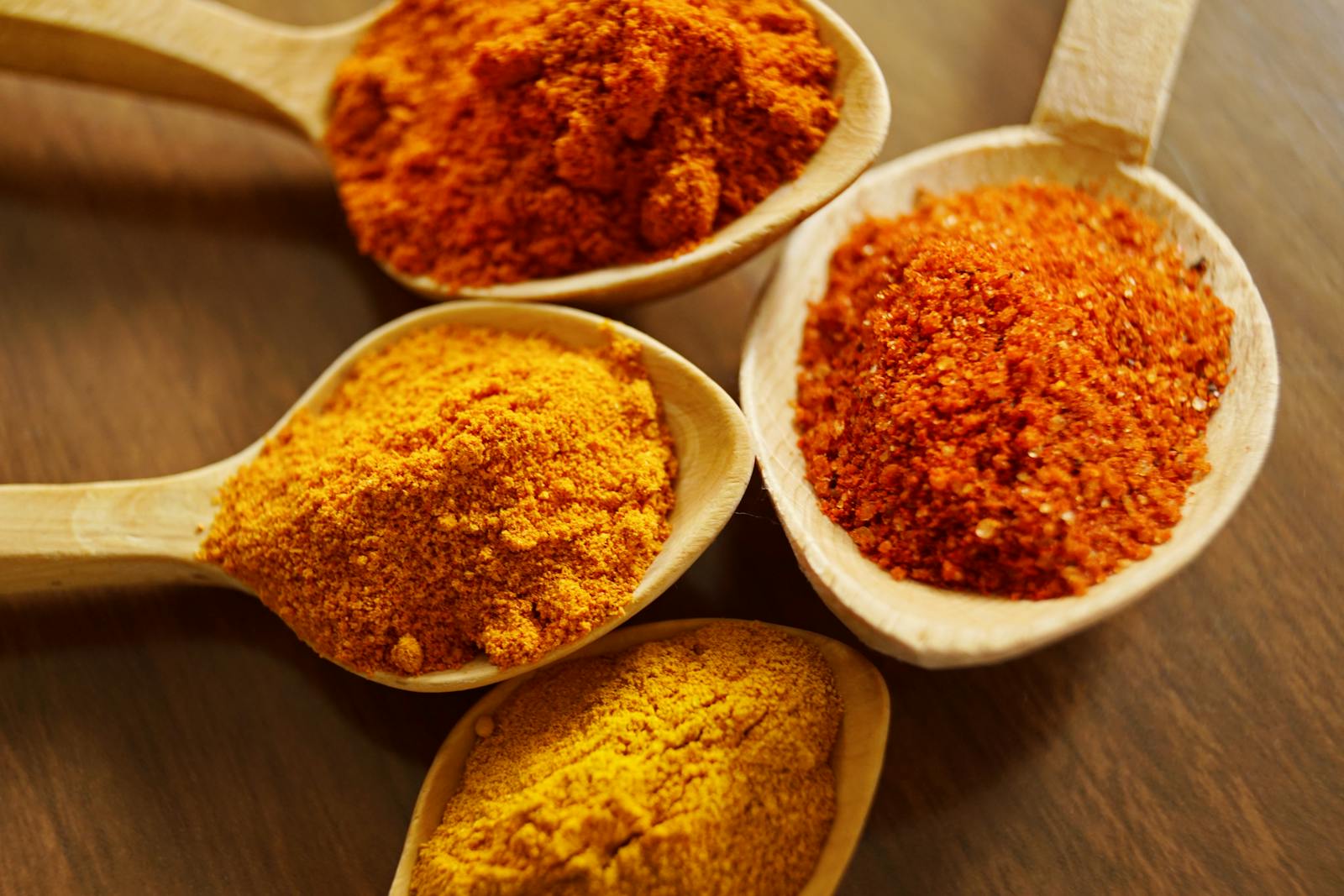
Turmeric is a powerful anti-inflammatory herb that contains the active compound curcumin, which has been shown to have numerous health benefits, particularly in reducing chronic inflammation. Since inflammation is a significant component of MCD, turmeric may help manage symptoms by reducing the inflammatory response in the body.
Curcumin also has antioxidant and immune-boosting properties, which can help protect cells from damage and support overall immune function. Taking turmeric supplements or incorporating turmeric into your diet by adding it to curries, soups, or smoothies may help improve symptoms associated with MCD.
How It Helps:
- Reduces inflammation and alleviates pain.
- Supports immune function and provides antioxidant protection.
- Can be taken as a supplement or used in cooking.
2. Reishi Mushroom
Reishi mushroom (Ganoderma lucidum) is an adaptogenic herb that has been used in traditional Chinese medicine for centuries to enhance immune function and promote overall health. Reishi mushrooms have immunomodulatory properties, meaning they can help regulate and balance the immune system, which is essential for individuals with MCD, as immune dysregulation is a hallmark of the disease.
Reishi mushrooms also contain beta-glucans, which are known to boost the immune response and support the body’s ability to fight off infections. Regular use of reishi mushroom supplements or extracts may help strengthen the immune system and reduce the frequency of infections in individuals with MCD.
How It Helps:
- Modulates the immune system and reduces immune dysregulation.
- Supports the body’s defense against infections.
- Available in supplement or tea form.
3. Green Tea
Green tea is rich in polyphenols, particularly epigallocatechin gallate (EGCG), which has been shown to have potent anti-inflammatory and antioxidant effects. The polyphenols in green tea help reduce oxidative stress and inflammation, two critical factors in managing MCD symptoms.
Green tea also supports immune function by promoting the activity of T-cells, which are important for regulating the immune response. Drinking green tea regularly can provide anti-inflammatory and immune-supportive benefits that may help alleviate some of the discomfort associated with MCD.
How It Helps:
- Contains antioxidants that reduce oxidative stress and inflammation.
- Supports immune system function and T-cell activity.
- Can be consumed daily as a beverage or in supplement form.
4. Omega-3 Fatty Acids
Omega-3 fatty acids, found in fatty fish like salmon, mackerel, and sardines, as well as in flaxseeds and chia seeds, are well-known for their anti-inflammatory properties. Omega-3s help reduce the production of pro-inflammatory cytokines, which are involved in the inflammatory response seen in MCD.
Supplementing with omega-3s can help reduce inflammation, improve immune function, and support overall cardiovascular health. Taking fish oil supplements or incorporating omega-3-rich foods into your diet can be an effective way to reduce inflammation and improve your body’s ability to manage MCD symptoms.
How It Helps:
- Reduces inflammation by lowering pro-inflammatory cytokine levels.
- Supports heart and immune health.
- Available in fish oil supplements or through dietary sources.
5. Ginger
Ginger is another powerful anti-inflammatory herb that has been used for centuries to treat a variety of ailments. Like turmeric, ginger contains bioactive compounds called gingerols, which have been shown to reduce inflammation and protect against oxidative stress.
In individuals with MCD, ginger may help alleviate symptoms such as pain, swelling, and fatigue by reducing the overall inflammatory load in the body. Ginger can be consumed in tea, used in cooking, or taken as a supplement for its anti-inflammatory and immune-boosting benefits.
How It Helps:
- Contains gingerols that reduce inflammation and pain.
- Supports immune function and helps manage fatigue.
- Can be consumed as tea, in cooking, or as a supplement.
6. Ashwagandha
Ashwagandha is an adaptogenic herb that has been used in Ayurvedic medicine to help the body manage stress and improve overall health. Ashwagandha helps regulate the body’s stress response by balancing the levels of cortisol, a hormone that is often elevated in people with chronic illnesses like MCD.
In addition to its stress-reducing properties, ashwagandha supports immune function and helps reduce inflammation. It may also improve energy levels and reduce feelings of fatigue, which are common symptoms in people with MCD. Ashwagandha can be taken as a supplement or used as a powder in smoothies and teas.
How It Helps:
- Regulates cortisol levels and reduces stress.
- Supports immune function and reduces inflammation.
- Can help alleviate fatigue and improve energy levels.
7. Astragalus Root
Astragalus root is a well-known immune-boosting herb used in traditional Chinese medicine to strengthen the body’s defenses against infections and improve overall vitality. Astragalus has immunomodulatory properties, meaning it helps balance and regulate immune system activity, making it particularly beneficial for individuals with MCD.
This herb also has antiviral and anti-inflammatory properties, which can help reduce the severity of infections and inflammation associated with MCD. Astragalus can be taken as a tea, tincture, or supplement to support the immune system and improve the body’s ability to manage MCD symptoms.
How It Helps:
- Strengthens the immune system and helps fight infections.
- Regulates immune activity and reduces inflammation.
- Available in tea, tincture, or supplement form.
8. Probiotics
Probiotics are beneficial bacteria that support a healthy gut microbiome, which plays a crucial role in immune function. A healthy balance of gut bacteria is essential for maintaining a well-functioning immune system, especially in individuals with MCD, where immune dysregulation is a key factor.
Taking probiotic supplements or consuming probiotic-rich foods like yogurt, sauerkraut, kimchi, and kefir can help improve gut health, reduce inflammation, and support immune function. A well-balanced gut microbiome may also help reduce the frequency of infections, which are common in people with MCD.
How It Helps:
- Supports a healthy gut microbiome and immune system.
- Reduces inflammation and helps prevent infections.
- Can be taken as supplements or through probiotic-rich foods.
9. Vitamin D
Vitamin D is essential for maintaining a healthy immune system, and deficiency in this vitamin has been linked to an increased risk of infections and immune dysregulation. For individuals with MCD, maintaining adequate levels of vitamin D is crucial for supporting immune function and reducing inflammation.
Vitamin D helps regulate the activity of immune cells, ensuring that the immune response is balanced and appropriate. Supplementing with vitamin D or getting regular sun exposure can help improve immune health and reduce the risk of infections and inflammation associated with MCD.
How It Helps:
- Regulates immune cell activity and reduces inflammation.
- Supports overall immune function and helps prevent infections.
- Can be taken as a supplement or obtained through sun exposure.
10. Echinacea
Echinacea is a popular herbal remedy known for its immune-boosting properties. It is commonly used to prevent and treat infections, particularly upper respiratory infections. Echinacea contains compounds that enhance the activity of white blood cells, which are crucial for fighting off infections and regulating immune responses.
For individuals with MCD, echinacea can be used to reduce the risk of infections and improve immune function. It is available as a tea, tincture, or supplement and can be taken during cold and flu season or when immune support is needed.
How It Helps:
- Boosts immune function by enhancing white blood cell activity.
- Helps prevent and treat infections.
- Available in tea, tincture, or supplement form.
11. Licorice Root
Licorice root is a traditional herbal remedy known for its ability to reduce inflammation and support immune function. It contains compounds called triterpenoids, which have been shown to inhibit the growth of viruses and bacteria while also modulating the immune system.
Licorice root is particularly useful for people with MCD, as it helps balance the immune response and reduce inflammation in the body. It can be consumed as a tea, tincture, or supplement to provide immune support and alleviate symptoms of inflammation.
How It Helps:
- Reduces inflammation and supports immune balance.
- Inhibits viral and bacterial growth.
- Available as a tea, tincture, or supplement.
12. Zinc
Zinc is an essential mineral that plays a crucial role in maintaining a healthy immune system. Zinc helps regulate the activity of immune cells and has been shown to reduce the severity and duration of infections. For individuals with MCD, zinc supplementation can support immune function and help reduce the risk of infections, which are common in people with weakened immune systems.
Zinc can be taken as a supplement or obtained through foods like pumpkin seeds, chickpeas, and oysters to support overall immune health.
How It Helps:
- Regulates immune cell activity and reduces infection risk.
- Supports the body’s natural defense mechanisms.
- Available in supplements or through zinc-rich foods.
13. Burdock Root
Burdock root is a traditional medicinal herb known for its detoxifying and anti-inflammatory properties. It helps cleanse the blood and lymphatic system, making it particularly beneficial for individuals with MCD, where lymph node enlargement and dysfunction are common.
Burdock root also has antioxidant properties that protect the body from oxidative stress and inflammation. It can be consumed as a tea or taken in supplement form to support detoxification and reduce inflammation in the body.
How It Helps:
- Cleanses the lymphatic system and supports detoxification.
- Reduces inflammation and protects against oxidative stress.
- Available as a tea or supplement.
14. Selenium
Selenium is a trace mineral that plays a critical role in immune function and antioxidant protection. Selenium helps regulate the immune response and protect cells from oxidative damage. It is also important for the production of glutathione peroxidase, an enzyme that helps detoxify harmful substances in the body.
For people with MCD, selenium supplementation can help strengthen the immune system, reduce oxidative stress, and support overall health. Selenium can be obtained through foods like Brazil nuts, sunflower seeds, and brown rice, or through supplements.
How It Helps:
- Supports immune function and antioxidant protection.
- Reduces oxidative stress and promotes detoxification.
- Available in foods or as a supplement.
15. Holy Basil (Tulsi)
Holy basil, also known as tulsi, is an adaptogenic herb that has been used in Ayurvedic medicine to support the immune system, reduce inflammation, and combat stress. Tulsi is rich in antioxidants and has been shown to reduce the production of pro-inflammatory cytokines, which can help manage inflammation in individuals with MCD.
In addition to its immune-supportive properties, tulsi helps improve mental clarity and reduce stress, which can further benefit overall health. It can be consumed as a tea or taken as a supplement to provide immune and anti-inflammatory support.
How It Helps:
- Reduces inflammation and supports immune balance.
- Rich in antioxidants that protect against oxidative stress.
- Available as a tea or supplement.
Conclusion
While Multicentric Castleman’s disease is a complex condition that requires conventional medical treatment, incorporating natural remedies can help support the immune system, reduce inflammation, and alleviate symptoms. Herbs like turmeric, reishi mushroom, and ginger, along with nutrients such as omega-3 fatty acids and zinc, provide additional support for the body’s ability to manage MCD. However, it’s essential to consult with a healthcare provider before using any natural remedies, especially if you are undergoing treatment for MCD or any other serious condition.
By combining traditional medical care with these natural remedies, individuals with MCD can improve their overall quality of life and better manage the symptoms associated with this rare disease.